
Cinecittà — Roman greatness in the history of cinema
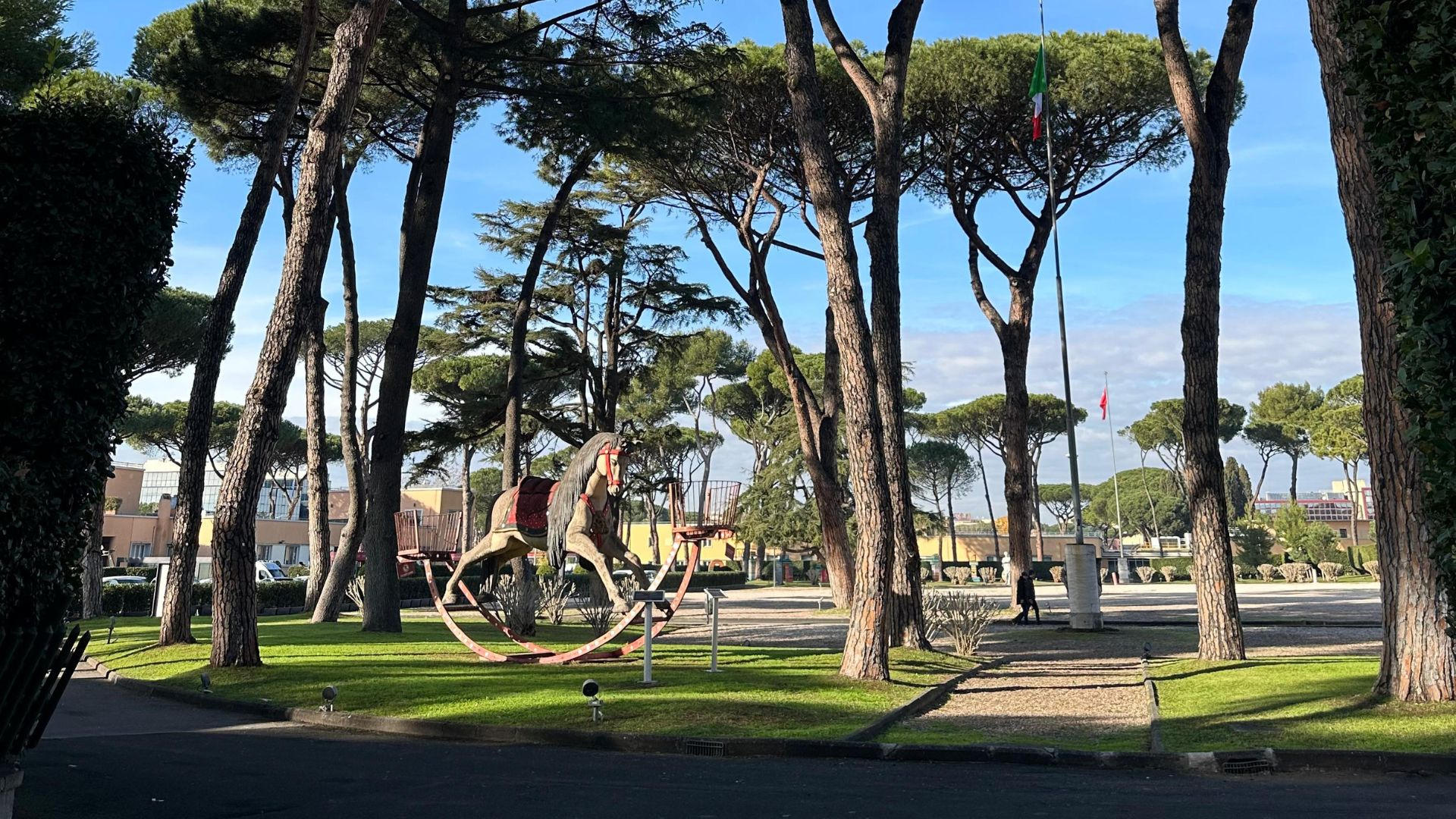
Unique atmospheres among exquisite buildings, airy avenues, high pines, green meadows, and treasures of past and present scenographies.
Are you a fan of the Seventh Art, and does the world of cinema captivate you? If the answer is yes, then this article is for you!
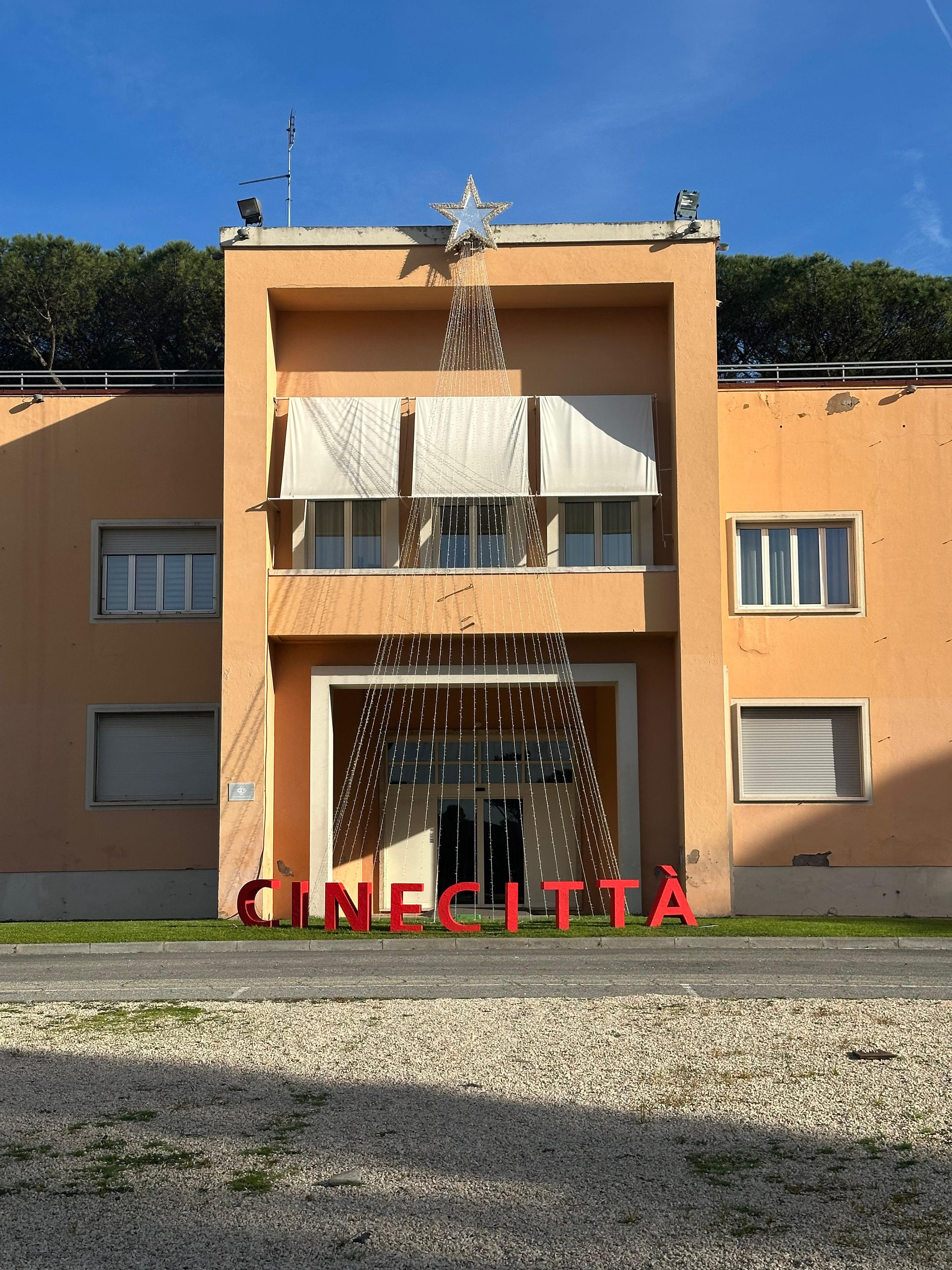
There is an iconic symbol of Rome that is rarely taken into consideration when visiting the city. On the outskirts of Rome, Cinecittà (literally “the city of cinema”) is a wonderful location that narrates the history of Italian and foreign cinema. The so-called “Hollywood on the Tiber” has thrived since the start of the fascist era and is now among the most significant and powerful production hubs worldwide. The 1960s were Cinecittà's heyday, with international recognition and the production of the great classics. The years also saw the rise of genuine Italian film idols like Sophia Loren and Marcello Mastroianni, who starred in iconic films like Yesterday, today and tomorrow (Ieri, oggi e domani), Wedding Italian style (Matrimonio all'Italiana), Accattone and La dolce vita. At the time directors like Luchino Visconti, Federico Fellini, and Vittorio De Sica produced or co-produced a lot of movies with French companies. Since its foundation in 1937, many films have been shot in the gigantic studios located on a 500,000 square meter plot along the Tuscolana street.
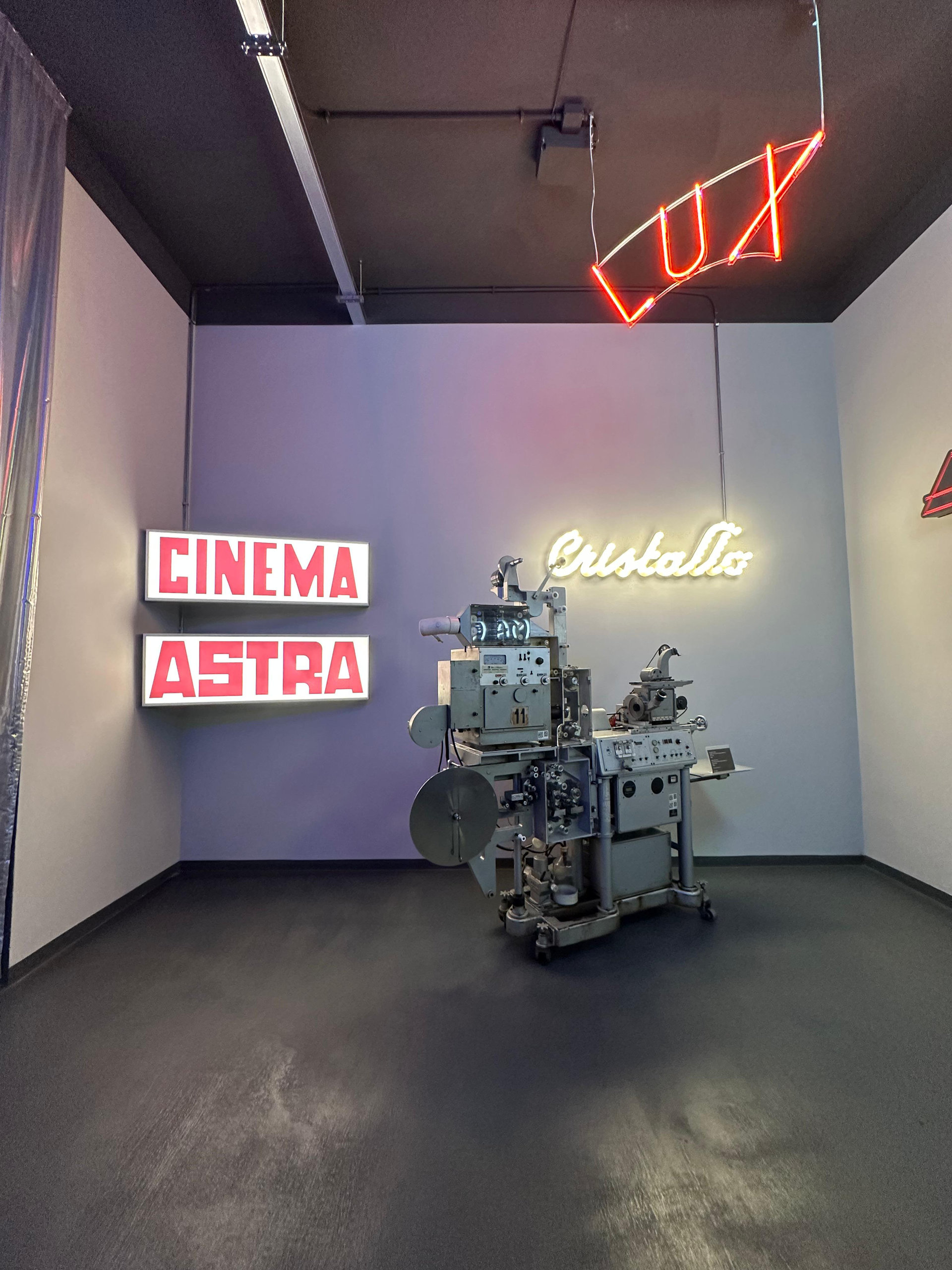
Quo Vadis?, Ben Hur, La dolce vita, Amarcord, 8 and 1⁄2, the English Patient, the Adventures of Baron Munchausen, the Legend of 1900, the Gladiator, Gangs of New York, Zoolander 2, Il Divo, the Name of the Rose just to name a few movies which were shot inside the studios.
With over 3,000 films produced, 90 Academy Award nominations, and 47 Oscars, it is the Italian answer to Hollywood's aspirations and the backdrop for great cinematic masterpieces from the past and present.
The Italy of the economic boom and the «Dolce Vita» was the queen of international cinema of this short but intense period. For about 20 years Cinecittà has prevailed over Hollywood surpassing it in fame thanks to the great American colossals filmed in its studios.
Also, it was around this time that Italian films became widely known. In fact, Sophia Loren, Silvana Mangano, Anna Magnani and Gina Lollobrigida were all Italians and considered the greatest divas not only in Italy but worldwide, same as the male actors like Walter Chiari and Marcello Mastroianni. Directors like De Sica, Rossellini, and Visconti introduced cinema to the general public through Neorealism on the streets, among common people.
The famous film La Dolce Vita helped establish the "myth of the beautiful country (bel paese)" of the "Italian dolce vita," which became the symbol of carefree and economic well-being, and completely upended the early 1950s films marking a turning point in our cinematic history.
The Dolce Vita of Fellini and Mastroianni marked a significant shift in Italian mentality.
1960, the year of La Ciociara by Vittorio De Sica starring Sophia Loren, as well as Rocco and his brothers by Luchino Visconti, was the year in which cinema worked with enormous creative and expressive freedom. Cinecittà studios achieved the pinnacle of their luxury.
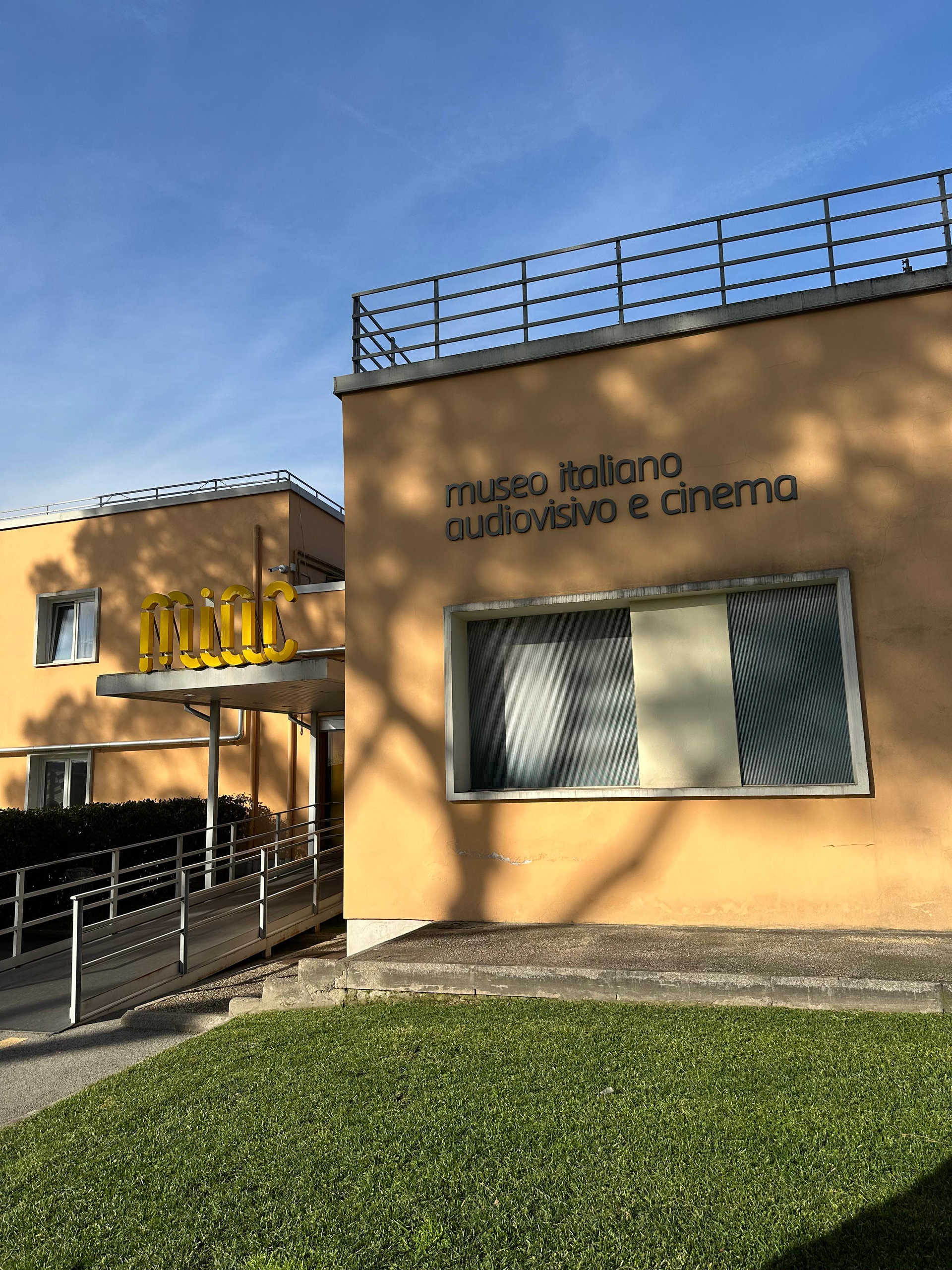
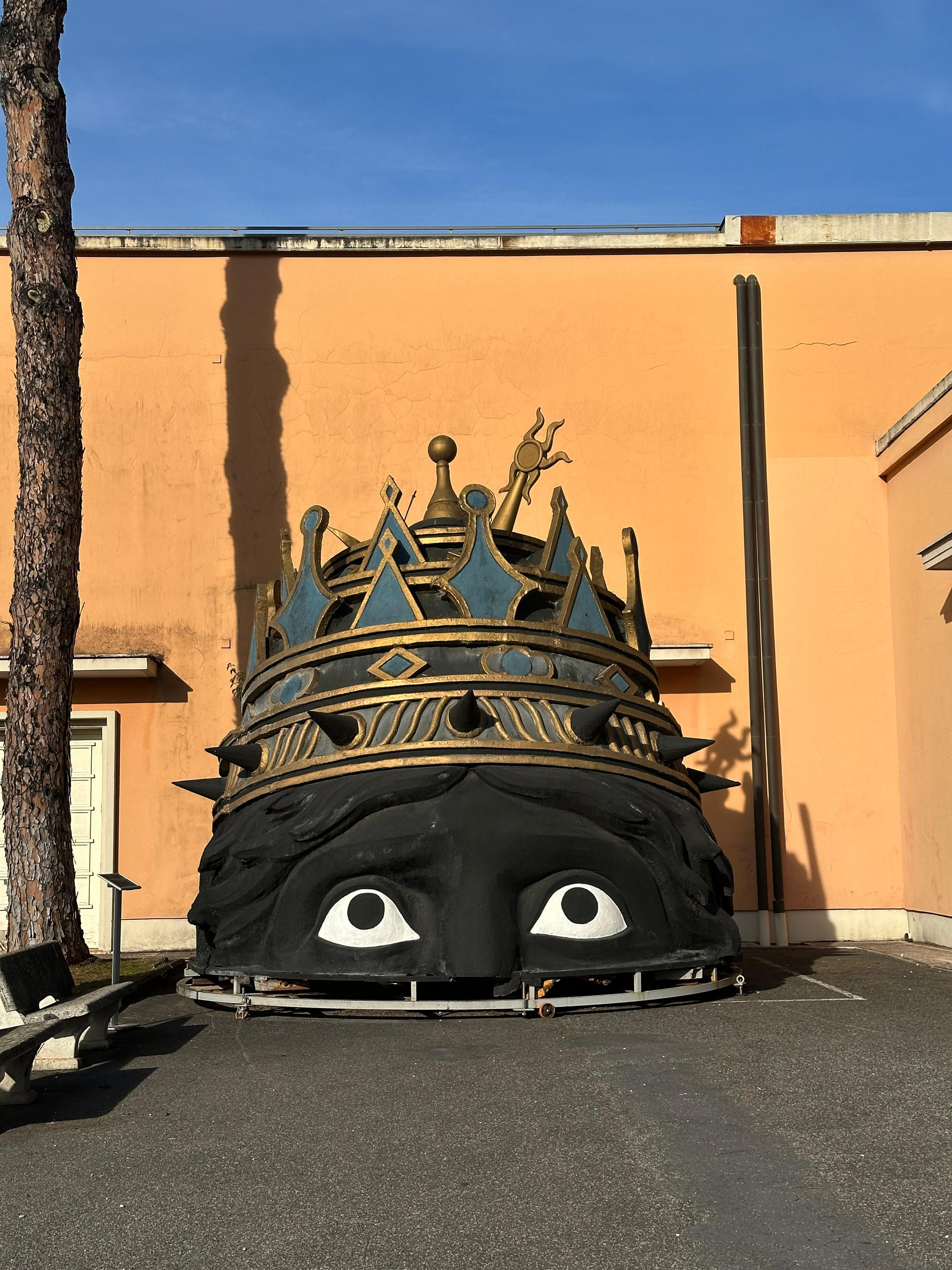
A first section is devoted to stage jewels in the entry shrines . Salmon-colored necklaces, white pearls, and gold filigree. Jewelry, flower arrangements, capes, crocheted headpieces, filigree diadems, and crowns with corals and shells with a marine theme.
A second section is dedicated to an interesting exhibition of costumes worn by Sophia Loren, Omar Sharif, and other famous actors. Eleven costumes from films about myths, fairy tales, and legends, or drawing on them to communicate about wider themes. The costumes of the award-winning designer Gabriella Pescucci from the movies Once Upon a Time, A midsummer night’s dream, and The brothers' Grimm.
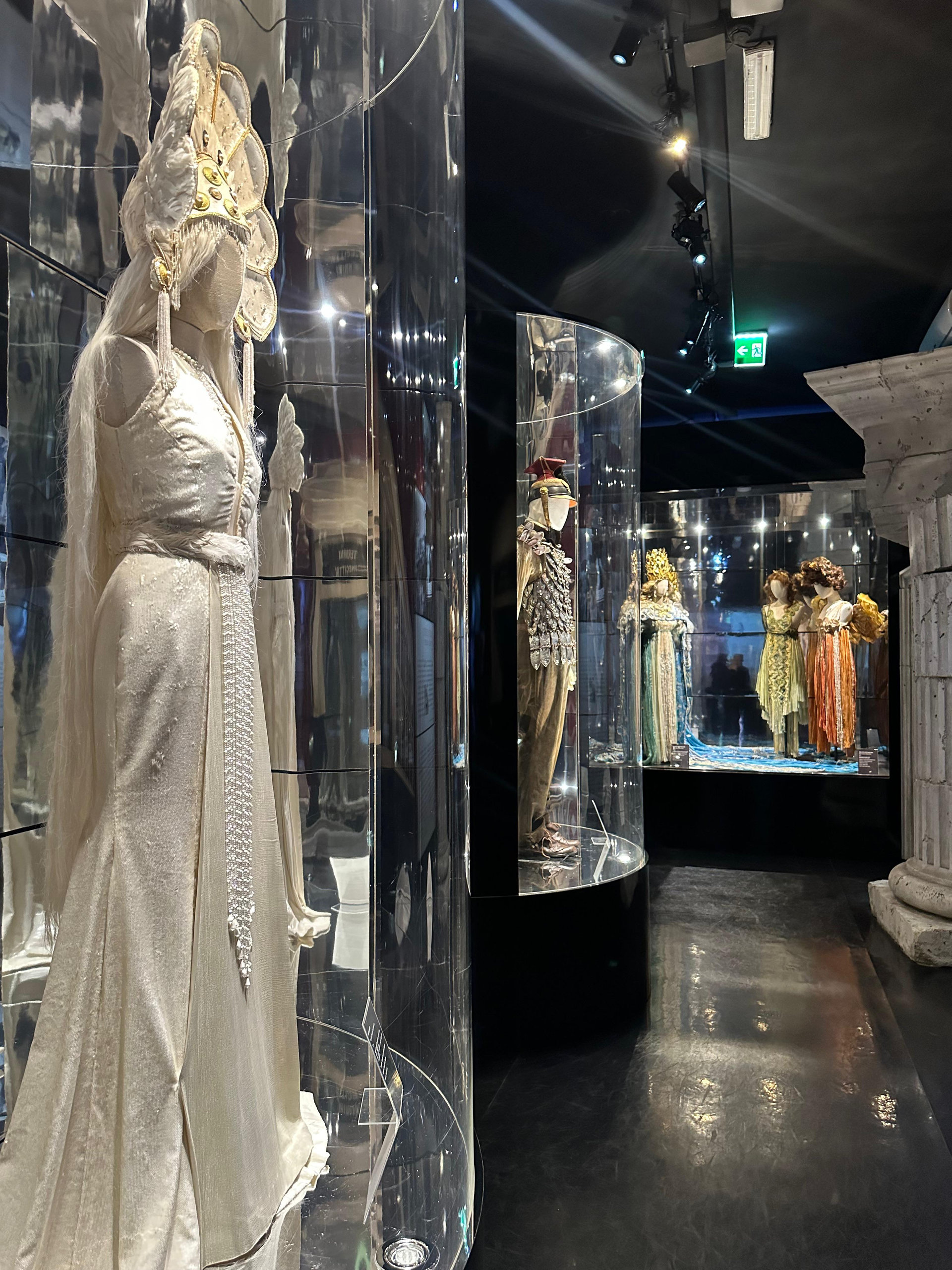
The famous dresses of Medea by Pier Paolo Pasolini, worn by Maria Callas and created by the tailoring firm Tirelli. Hieratic clothing inspired by the folk costumes of ancient ethnic groups, made up of tunics and under tunics in cotton gauze, with hand-carved copper leaves, hand- pleated materials which were made following the ancient pleating techniques of the fabric, dyed and then sun-dried as the Egyptians did.
The corridor of the backstage exhibition hosts a monographic focus on five dresses from the film Parthenope directed by Paolo Sorrentino, Oscar winner for The Great Beauty and on the work of costume designer Carlo Poggioli and Anthony Vaccarello for Saint Laurent. The embroidered dress in silk georgette, the evening dress in black satin with a deep V neckline and side slit with a brown ribbed mink eco-fur outerwear. A gold laminated jersey cape and a dress in the same fabric, and the reproductions of the jewels of San Gennaro. A miter, a necklace and a jewel belt studded with stones, all handcrafted.

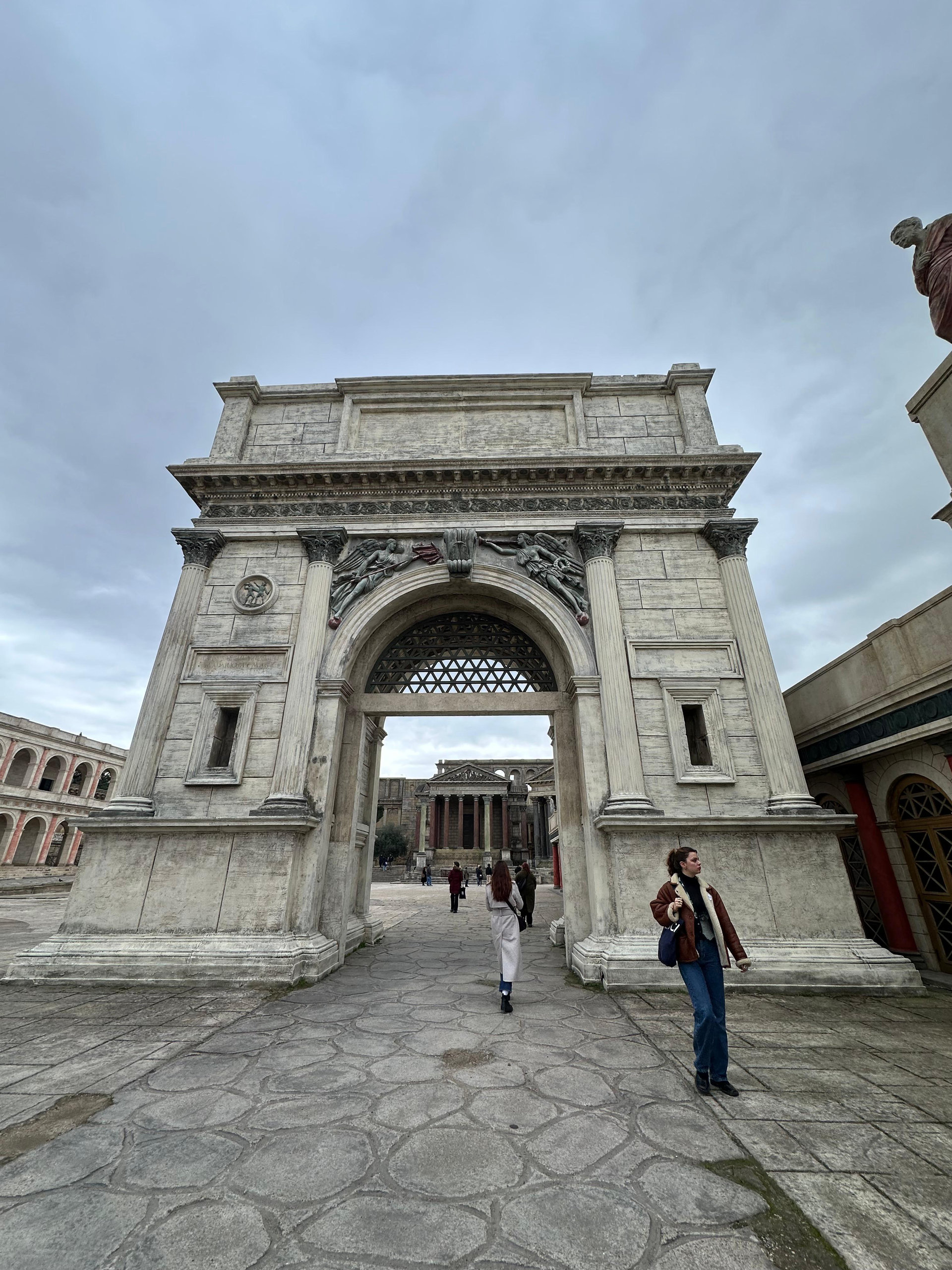
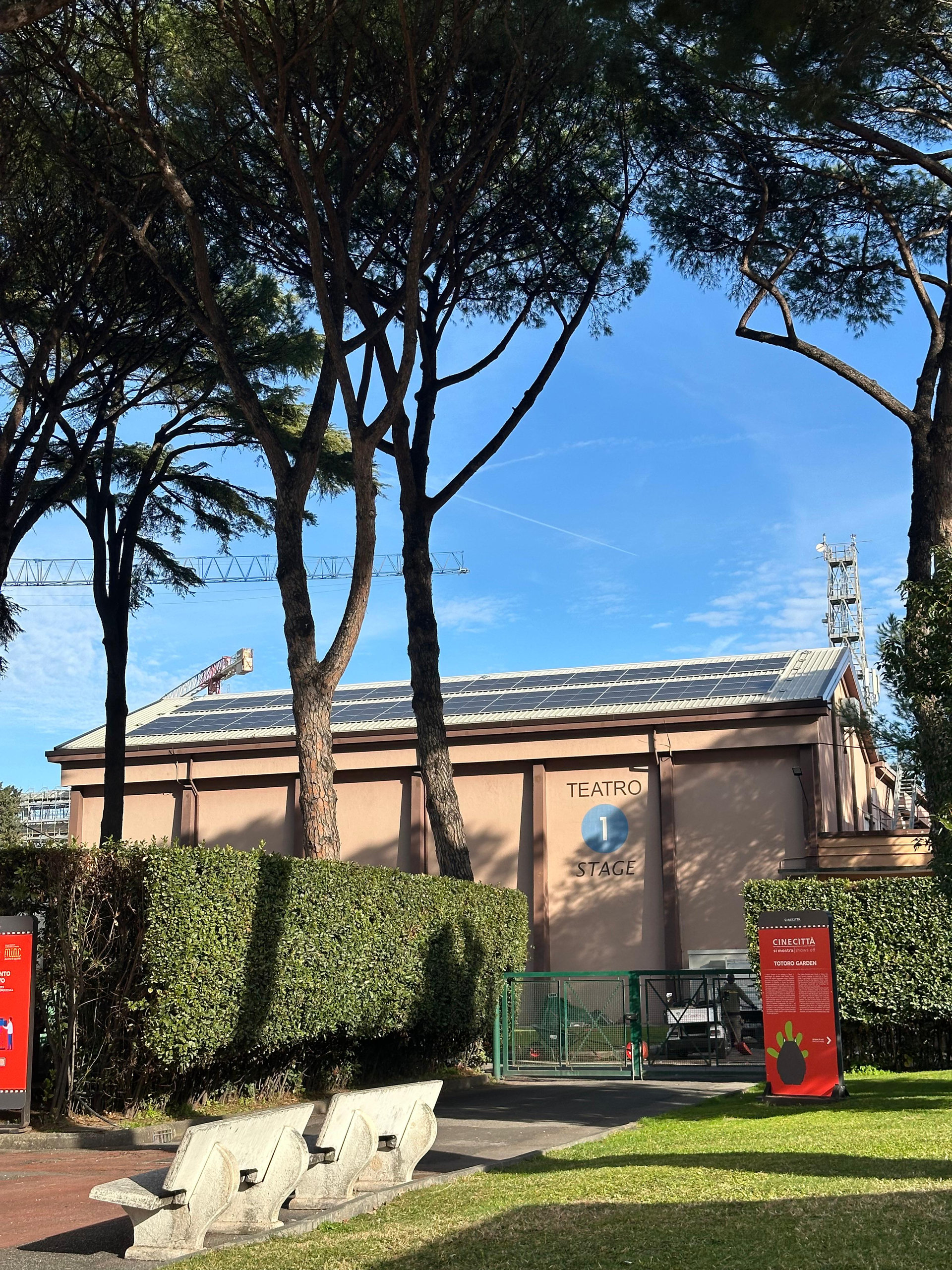
The permanent movie sets of Ancient Rome with statues, Roman buildings and streets, arches, temples, the suburra, and the soundstages dedicated to the representation of medieval cities. Theater 5, one of the largest in Europe and so dear to Fellini (whose funeral was held right inside of it).
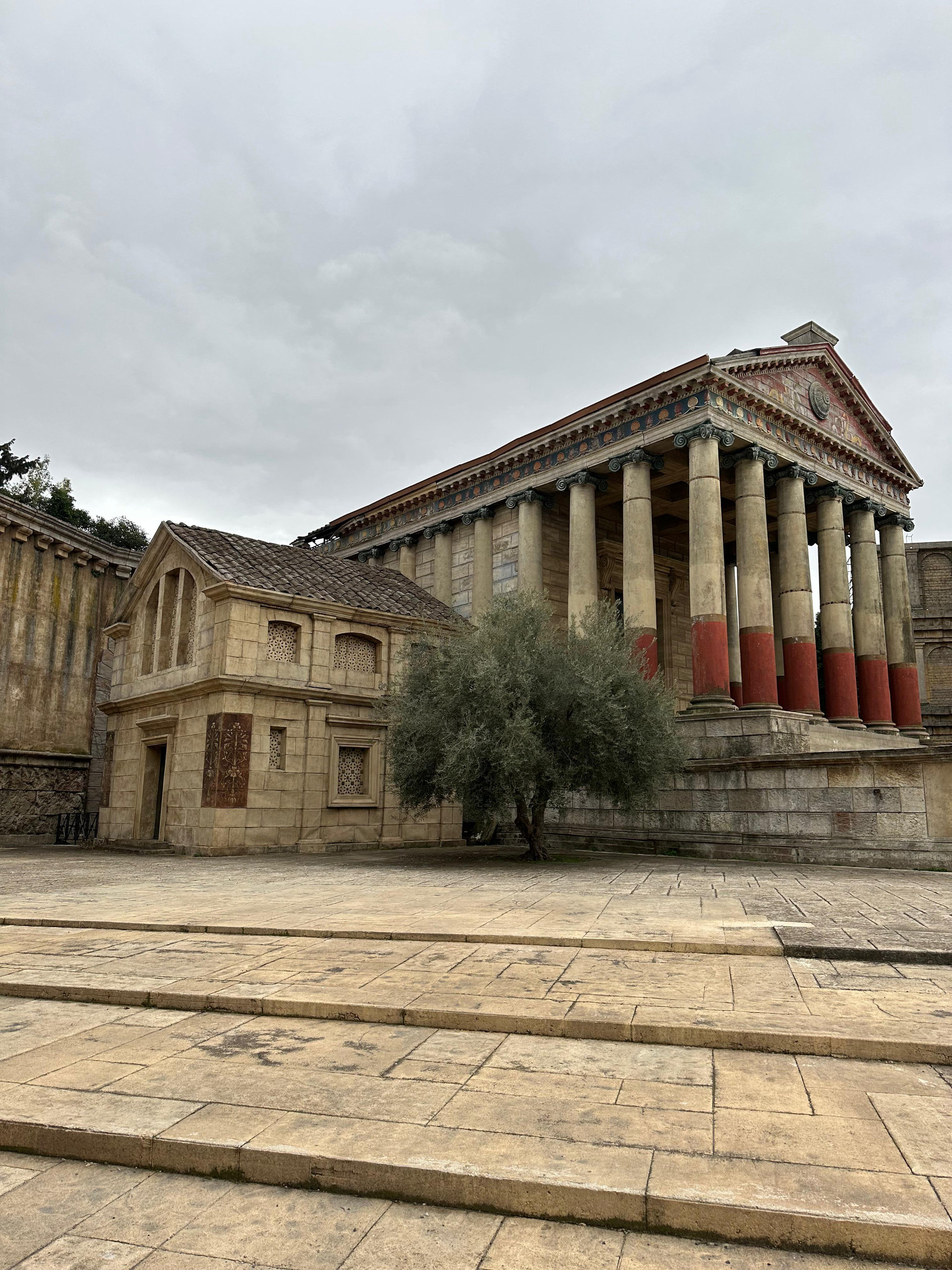
Cinecittà studios are definitely worth a visit if you would like to explore the movie sets that brought Italy to international fame. The permanent movie sets, the stages, the museums, the immersive experience inside the MIAC and the stage costumes will excite and captivate you.