
The secret behind the everlasting durability of Roman buildings
Piers, breakwaters, ports and buildings have been built for ages using a concrete that has become more resistant with time.
According to a study conducted by a team of geologists from Utah University, seawater together with ash, concrete and volcanic rock clumps produced a trigger able to create a lattice structure that made it stronger and incredibly endowed in the long term and functional without a metal infrastructure. The way in which cement was produced creates a silex network that makes it self-repairing and grows in the presence of water infiltration.

The extraordinary durability of the Roman building material has long been thought to be related to the presence of a specific pozzolanic substance, volcanic ash from the Pozzuoli location in the Gulf of Naples. This ash was really exported throughout the Roman Empire to be employed as a crucial component in the making of concrete.
According to another study by academics from the Massachusetts Institute of Technology MIT, conducted with Harvard University and Museo di Priverno (Lazio, It), the resistance of ancient Roman civil engineering projects can also be attributed to the usage of concrete claddings. That same method might benefit contemporary architecture, too.
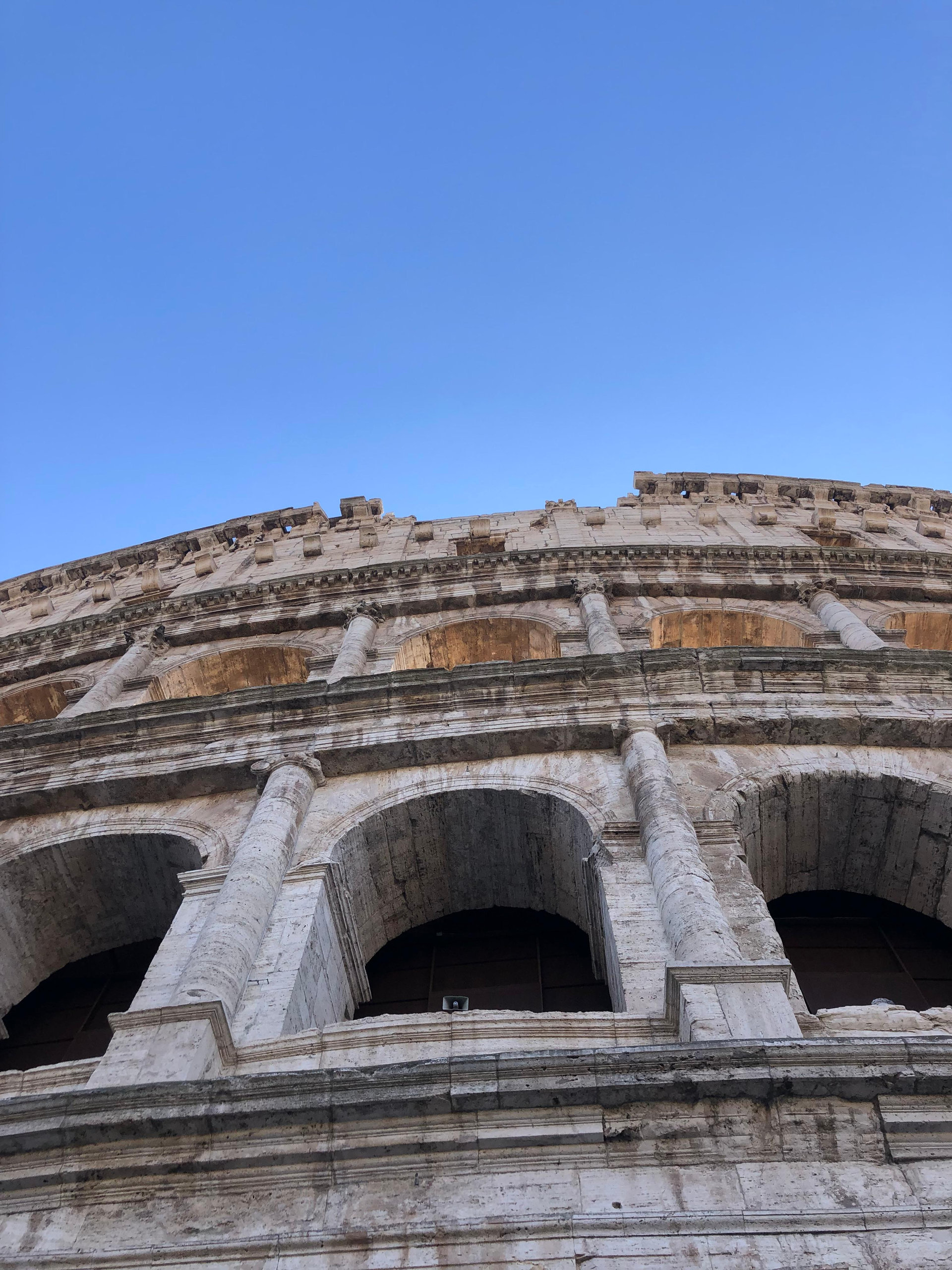
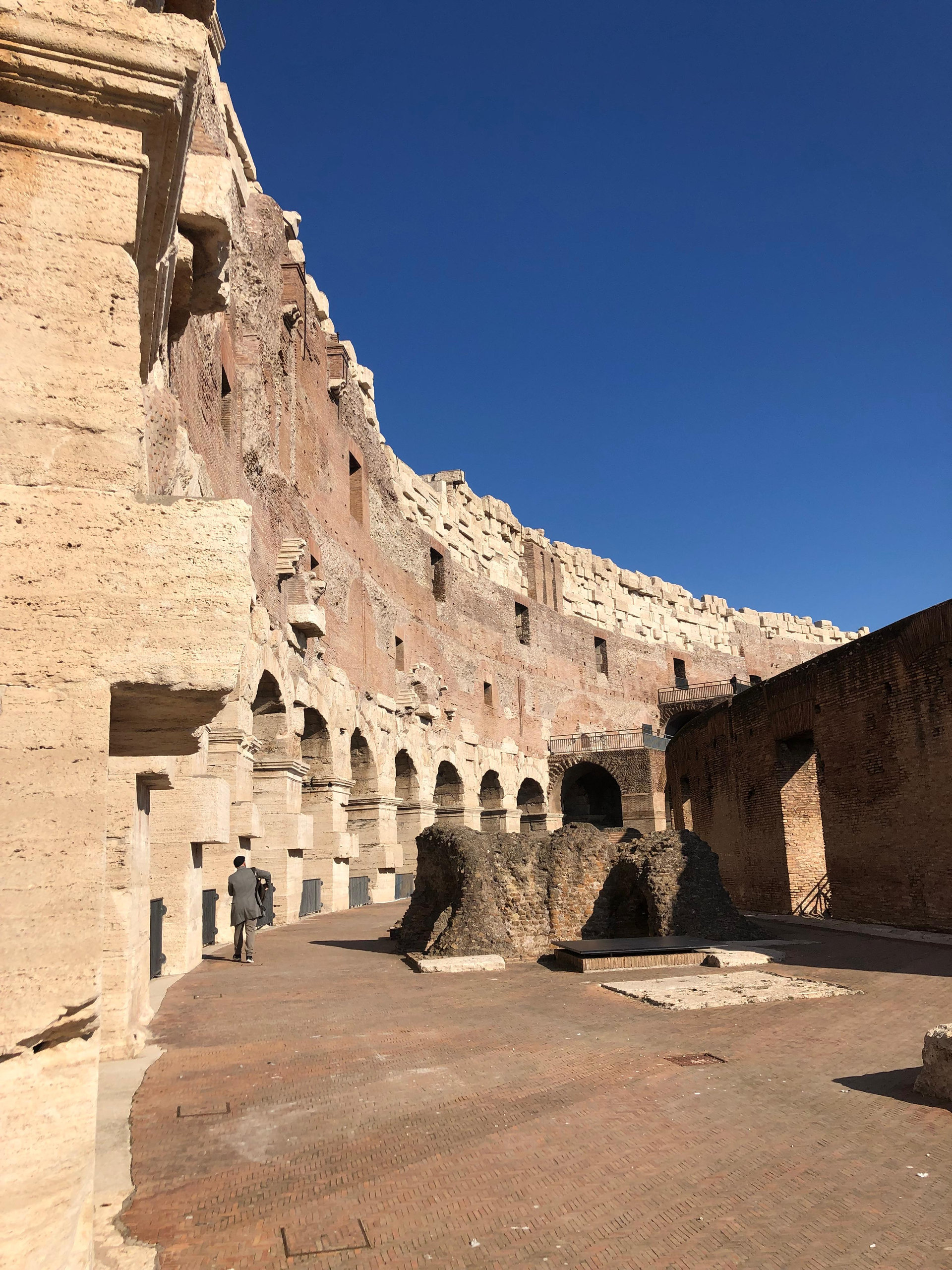
The mix of these two discoveries makes it interesting that Roman cement is the most resistant ever created. The Pantheon is one testimony of the phenomenal use of concrete, being self-supporting with no metal structure. But also the Colosseum, the Roman Forums, the Port of Claudio and Traiano between Ostia and Fiumicino which is still intact after two thousand years. Ostia Antica, Pompei, Ercolano and the solid and stable historical buildings in Rome, Florence, Milan.

Romans were innovative manufacturers, combining new construction techniques and materials with imaginative design to create a new set of architectural structures. Basilicas, triumphal arches, monumental aqueducts, amphitheatres, and residential buildings were examples of the inventive Roman architecture. They adhered to the principles provided by the classical orders founded by the Greeks: Doric, Ionic, and Corinthian, but they added their own ideas by creating a more decorative version of the Corinthian capital and cornice.

The Romans primarily used the arch in its round shape, which was the simplest and cheapest way to make it. In addition, unlike previous cultures, they made it the basic element for making the supporting structures of large buildings, the most famous example being the Colosseum. The Theater of Pompeo in Campo Marzio and the Theater of Marcello are likely among the first large buildings built in square work of travertine with supporting arches.
The greatness of the Roman Empire we all know is also due to this. To their mastery, innovation, and tremendous inventiveness. An empire predecessor of all future culture, yet incredibly alive and immortal.