
THE AUGUST ISSUE - The Summer We Keep
From the ancient pause of Ferragosto to the first golden days of September, we look at the rituals, landscapes and habits that make an Italian summer last a little longer.
From the ancient pause of Ferragosto to the first golden days of September, we look at the rituals, landscapes and habits that make an Italian summer last a little longer.
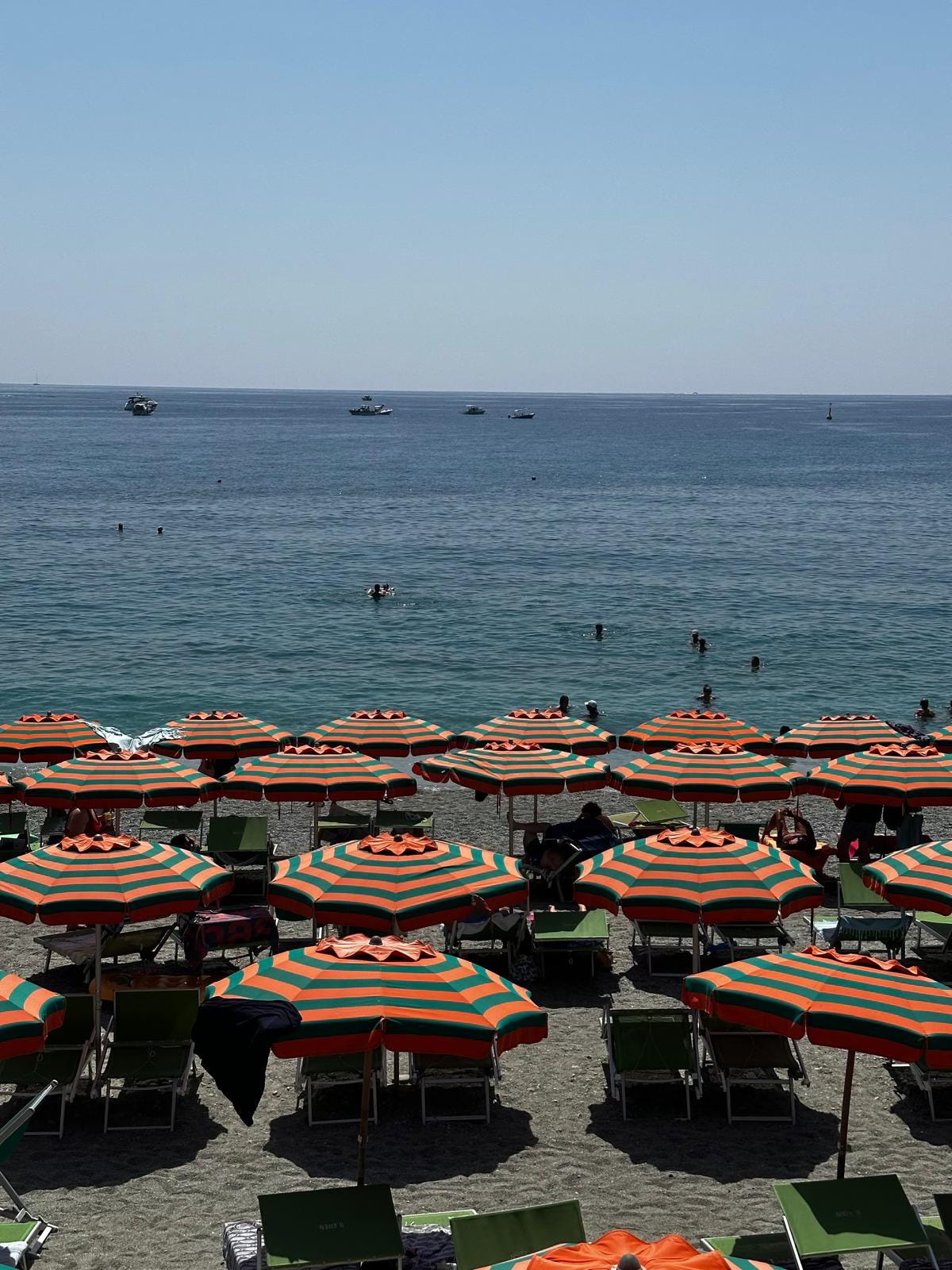
Italy is often introduced through its summer symbols: striped umbrellas, crowded beaches, late dinners, chilled melons, scooters disappearing around a bend.
But the Italian summer is not simply a season of heat and escape. It is a way of arranging time.
Mornings begin slowly. Lunch is allowed to extend beyond its natural limits. The sea becomes an afternoon appointment. Cities empty, villages fill and entire families move temporarily towards the coast, the mountains or a house that has been waiting for them since the previous August.
At Zest, we are drawn to this particular rhythm of Italy: the part that cannot be reduced to a destination, an itinerary or a list of places to see. The real experience often lies in the relationships between them — between city and countryside, between the sea and the table, between a familiar summer ritual and the first signs that the season is beginning to change.
Ferragosto sits at the centre of this transition.
The word comes from the Latin feriae Augusti, meaning “the holidays of Augustus”. Introduced during the reign of Emperor Augustus, the celebration marked a period of rest after the intensity of the agricultural season. Over time, it became associated with the Christian feast of the Assumption on 15 August, while retaining its ancient relationship with suspension, celebration and collective rest. Treccani
More than two thousand years later, the idea remains remarkably intact.
Italy stops, or at least tries to.
The Country on Pause
There is a particular silence that arrives in Italy in August.
It begins around midday, when the shutters close against the heat and the streets become briefly unrecognisable. The bakery disappears behind a curtain of beads. The fruit seller leaves a note on the door. A café remains open, but only because the owner is sitting inside with the fan pointed directly at his face. In the cities, the absence is visible.
Rome becomes lighter, quieter and more spacious. Milan reveals the courtyards behind its closed gates. Turin’s arcades hold the heat of the afternoon. Even Naples, which rarely surrenders completely to silence, moves according to a slower tempo.
The country has not disappeared. It has simply changed its priorities.
The morning is for errands, the afternoon for shade and the evening for being outside. A walk that would normally take fifteen minutes becomes an hour because there is no reason to arrive quickly. Dinner starts late, and nobody seems particularly interested in knowing when it will end.
This is one of the things we love most about Italy in August.
The country does not ask you to fill every hour.
Same Beach, Same Sea
For many Italians, summer does not begin with the discovery of a new destination.
It begins with a return.
The same beach, the same sea, the same bar on the corner. The same house with its slightly uncomfortable beds, its collection of mismatched glasses and its kitchen drawers that never quite close properly.
There is a particular comfort in knowing exactly where the best peaches are sold, which road becomes impossible after four in the afternoon and where to find a table in the shade.
This is the logic of villeggiatura: the Italian tradition of spending the summer in a place that becomes familiar through repetition. Its value is not necessarily connected to novelty. The destination matters because it has accumulated memories.
A child returns to the same beach and discovers that the water is no longer as deep as it seemed. A teenager meets the same group of friends, or a new version of them. Someone’s grandmother still arrives with a plastic container of pasta salad. Someone else still refuses to swim before digestion is complete.
Summer becomes a continuation of previous summers.
At Zest, we understand that travel does not always have to be about moving further. Sometimes it is about staying long enough for a place to become legible.
The second morning is different from the first. By the third day, you know where to go for coffee. By the fifth, you begin to notice the people who live there. A place reveals itself slowly.
The Italian Summer Table
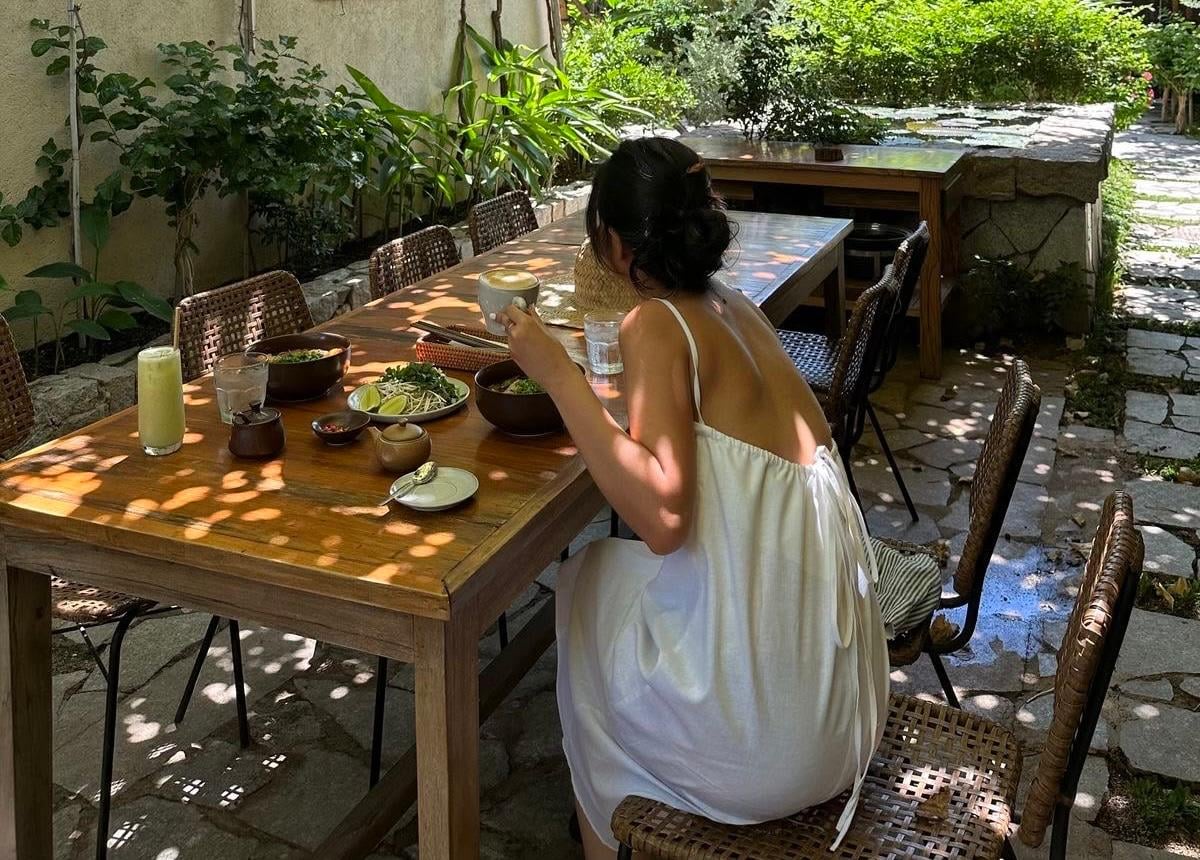
The most important destination in August is often the table.
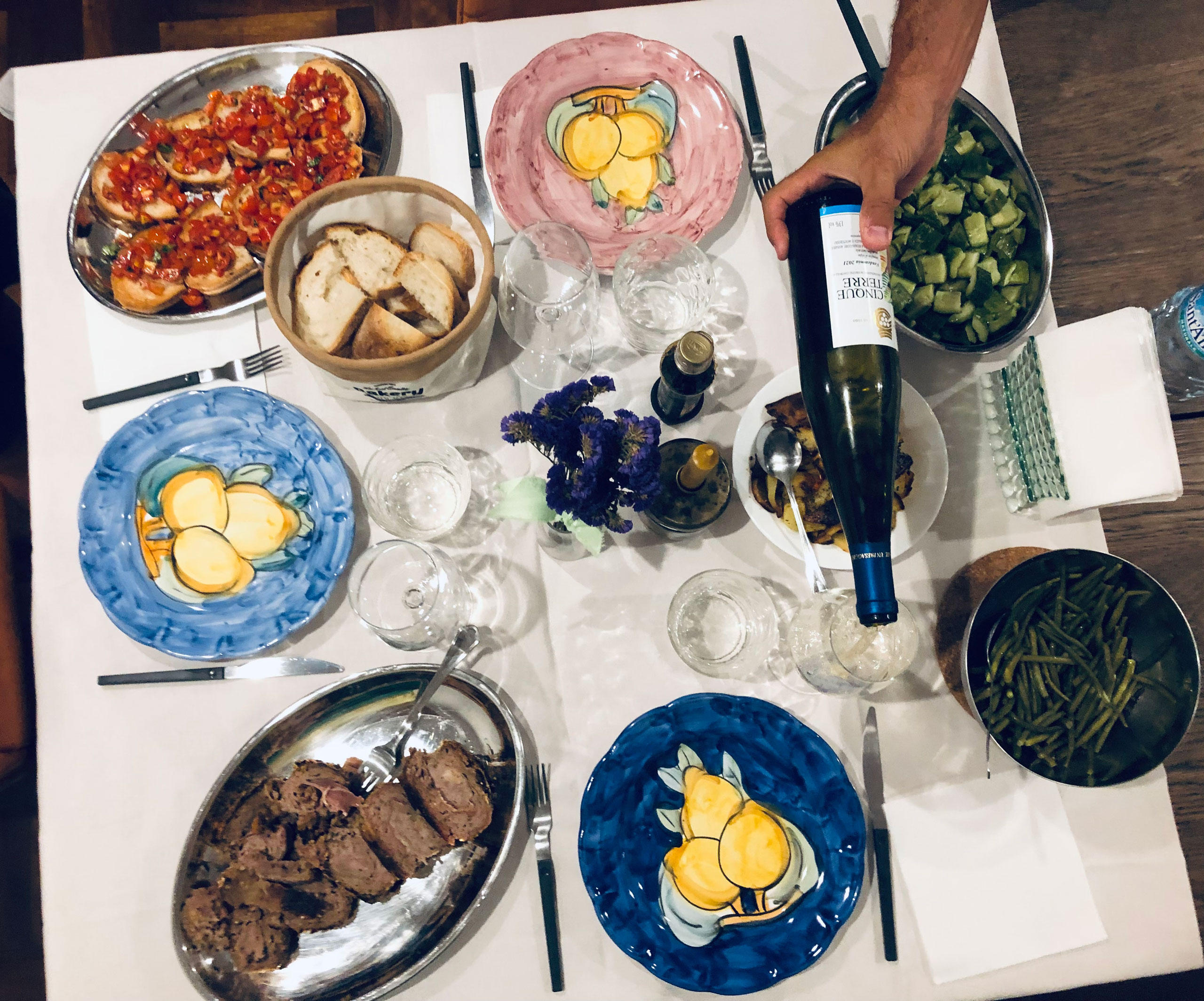
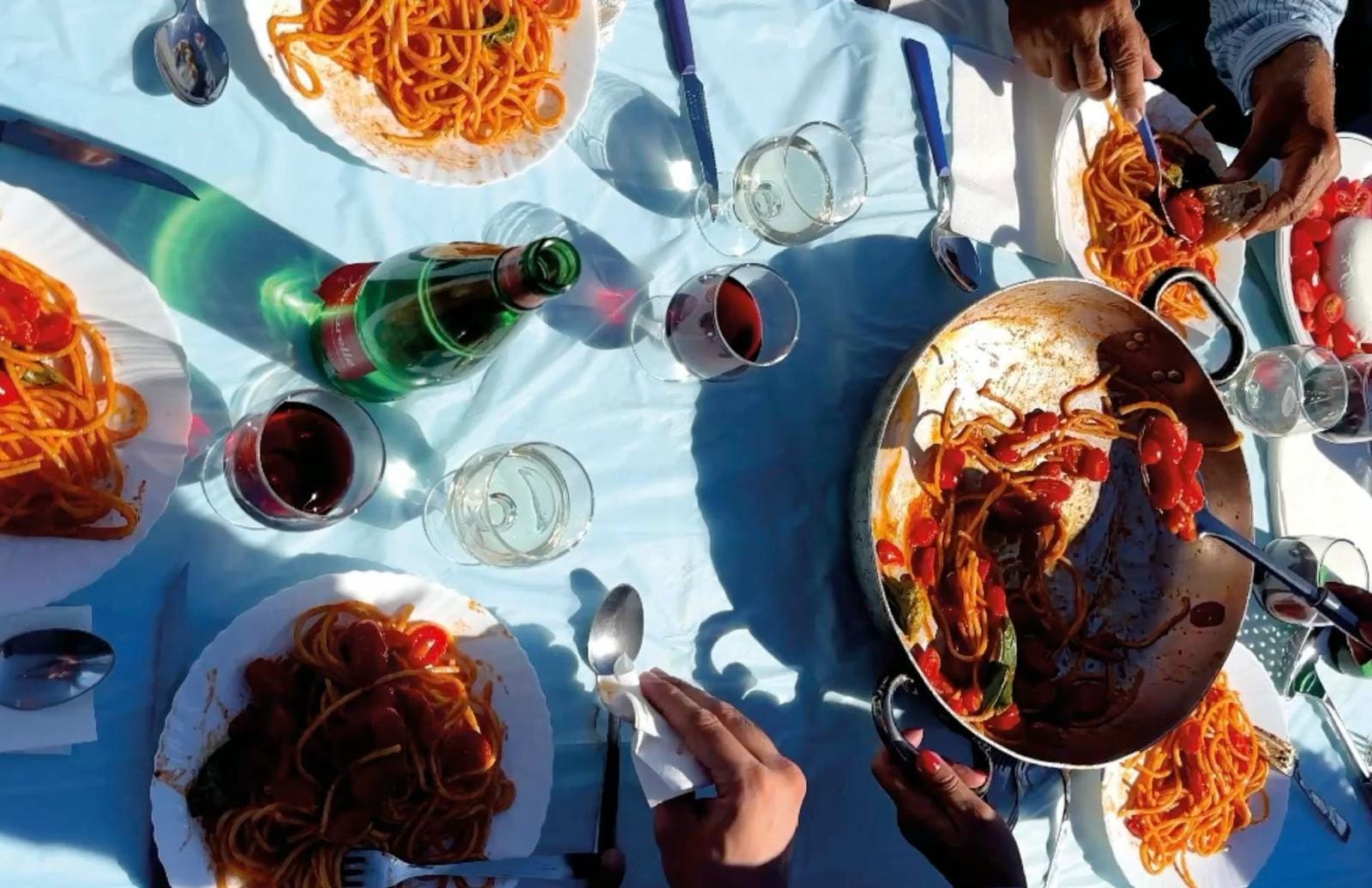
Lunch begins with something simple and becomes something else entirely. Tomatoes, bread, mozzarella, grilled vegetables, anchovies, pasta, fruit and coffee appear in an order nobody has planned. Someone opens a bottle of wine that was meant to be saved. Someone else insists that dessert is unnecessary, before bringing out a cake.
The table becomes crowded, then extended.
Another chair is found. Plates are moved. A child eats standing up. Someone tells a story that everyone has already heard but allows them to tell it again.
This is not simply a meal. It is a way of holding a day together.
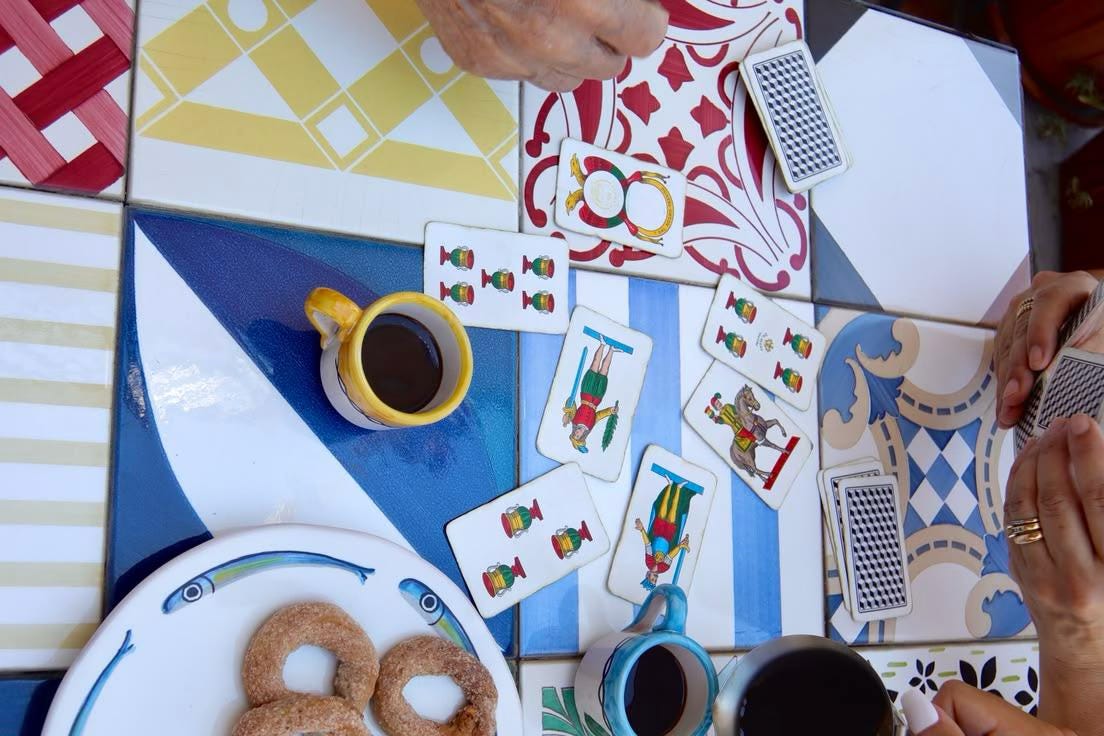
Italian summer is full of these informal rituals: the bowl of peaches left in the middle of the kitchen, the espresso taken outside, the watermelon eaten in the evening because it is too hot to prepare anything else. Food creates the structure, but conversation gives the meal its duration.
At some point, lunch is officially over.
Nobody moves.
The tablecloth is marked by glasses. The air smells of basil, warm stone and sunscreen. Someone falls asleep beneath a fan. Someone else says they should go to the beach, but remains in the chair.
The day expands when no one is trying to make it efficient.
A Small Catalogue of Summer Fears
Every country has its own seasonal anxieties.
In Italy, summer comes with a familiar collection of warnings: do not sit directly beneath the air conditioning, do not go into the sea too soon after lunch, do not leave the house with wet hair and never underestimate a sudden colpo d’aria.
The phrase literally means “a hit of air”, but its consequences are believed to include everything from a stiff neck to a headache, earache and general family disapproval.
A grandmother will always know when the window should be closed.
A mother will always have a scarf available, even in August.
These rituals are part of the summer landscape too. They belong to the informal knowledge passed between generations, the kind that rarely appears in a guidebook but becomes essential once you have spent enough time in an Italian household.
The same is true of the debate surrounding the sea after lunch.
One person says three hours.
Another says one hour is enough.
A third person, usually the youngest, enters the water anyway and becomes the subject of discussion for the rest of the afternoon.
Summer in Italy is full of these small negotiations between pleasure and precaution.
They are part of the charm.
Ferragosto as a Turning Point
Ferragosto is often described as the height of summer.
But it may be more accurate to think of it as the moment summer begins to turn.
Before Ferragosto, August still feels endless. There is time for another swim, another dinner, another journey south. After Ferragosto, the calendar becomes more visible.
The days remain hot, but the evenings begin to arrive earlier. The light becomes more golden. The beach is still full, but the atmosphere has changed. People begin to talk about when they are leaving.
A suitcase appears near the front door.
The house starts to be put back in order.
The last dinner is postponed because nobody wants to be the first to acknowledge that the season is ending.
This is the quiet melancholy of late summer: the awareness that the experience is temporary, even while it is still happening.
In the vineyards, the landscape begins to anticipate the harvest. In the countryside, the dry grasses take on deeper tones. In the mountains, the mornings feel cooler. Along the coast, the water seems less restless.
September has not yet arrived, but it is already present in the atmosphere.

Why Italy Is So Good in Early Autumn
There is a reason late summer and early autumn are among the most rewarding times to travel through Italy.
The country remains open to the pleasures of summer — outdoor meals, long evenings, swimming, markets and life lived outside — but the rhythm becomes more measured.
The most famous destinations begin to show a different side. The light is softer. The landscape is easier to observe. The conversation at the next table is no longer competing with the sound of high season.
This is when Italy becomes particularly generous to travellers who are willing to look beyond the obvious.
A coastal town can be experienced through its morning market rather than only its beach. A historic city can be understood through its neighbourhoods, cafés and evening passeggiata. A countryside journey can be shaped around harvest, local food and the changing colour of the landscape.
Autumn does not cancel summer.
It edits it.
It removes some of the noise and leaves behind the details.
The Zest Perspective
This is also how we approach travel at Zest.
We are interested in the Italy that exists between the major landmarks: the road connecting two places, the restaurant recommended by someone who lives nearby, the beach visited before the crowds arrive, the small town that makes sense only after an afternoon spent there.
We design journeys around rhythm as much as geography.
Where you are staying matters. The time of day matters. The distance between two experiences matters. So does the space left in the itinerary for an unexpected lunch, a change of plan or a view that deserves more time than expected.
For travellers already in Italy, August does not have to mark the end of the journey.
It can be the beginning of its more interesting chapter.
A stay in a city can open towards the coast. A few days by the sea can lead into the countryside. A familiar region can be experienced differently once the season begins to shift. The journey can continue without becoming a checklist.
This is what we mean when we talk about travelling with perspective.
Not seeing everything.
Understanding more.
The First Light of September
By the end of August, Italy begins to reveal its quieter side.
The shutters reopen. The roads become easier. The beach is still warm, but less insistent. Dinners move slightly earlier, although never too early. The light remains generous, but carries the first trace of autumn.
There is still time for the sea.
There is still time for a long lunch, a late train, a village walk, a boat ride or a road that takes longer than expected.
But the feeling is different now.
The country is no longer asking to be admired. It is asking to be noticed.
At Zest, this is the Italy we return to every year: the Italy of Ferragosto and its aftermath, of familiar rituals and changing landscapes, of summer at its most iconic and autumn just beginning to appear.
A country understood through its rhythms.
A journey shaped by local knowledge.
A season that does not end all at once, but slowly — in the changing light, the emptying streets and the first evening when you realize you have brought a jacket with you.
Get in touch to start planning your late-summer/autumn Italian escape.
info@zestitalytours.com
https://www.zestitalytours.com