
The Dolomites I Carry With Me
A travel designer’s return to the valleys of her childhood — and to the quieter, more intimate way of traveling they taught her.
Long before the Dolomites began appearing on every winter and summer wish list, they were already part of my private geography.
In the 1990s, when many Italian families packed their cars for the sea, mine drove north towards the mountains. My father was a passionate mountain lover. I still remember him reading the Italian magazine Meridiani, lingering over photographs and descriptions of the Dolomites well before they became the international obsession they are today. One phrase has remained with me: “an intricate weave of spires, fissures, precarious boulders and secret recesses filled with intimacy”.
That was exactly how they felt to me as a child — immense, theatrical and yet strangely protective. A sovereign spectacle, but one made of hiding places.
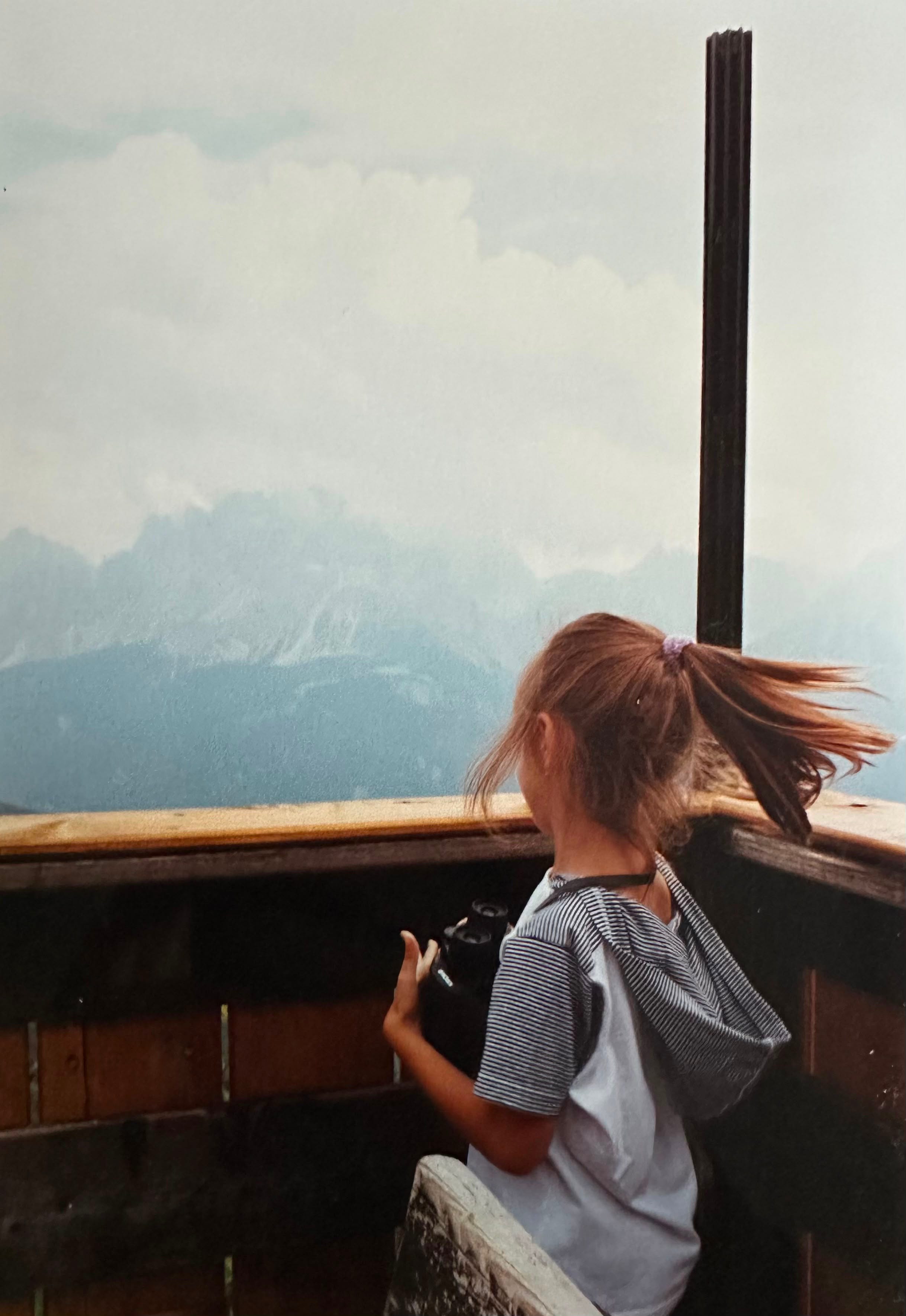
Every summer, we entered a world of forests and pale rock, green clearings, wooden hotels and cold lakes. There was the resinous scent of timber in the corridors, the hush that fell over the woods in the afternoon, the distant sound of cowbells and the sudden whistle of a marmot somewhere above the path. The air itself seemed to change us. It cooled the skin, cleared the mind and, after hours of walking, gave us the magnificent appetite that only a day in the mountains can create.
Today, when I propose the Dolomites to a Zest traveller, I am not simply recommending a destination. I am reopening the landscape of my childhood.
Val Badia, the Landscape That Raised Me
Val Badia — and especially Alta Badia — was already one of the Dolomites’ most established tourism areas when I spent my summers there. Its hotels were welcoming and beautifully run, its villages cared for, its mountain culture presented with quiet confidence. Yet the atmosphere was very different from today. There were fewer international visitors, fewer images to imitate and much less urgency to see everything at once.
We did not arrive with a checklist. We returned to familiar paths.
The valley taught me that a place can be sophisticated without losing its soul. Its Ladin identity was not a decorative detail but something living: heard in the language, tasted in the food, felt in the architecture and preserved in the rhythm of daily life. The masi — traditional alpine farmsteads — seemed to belong to the slopes as naturally as the larches. Higher up, the malghe marked the summer pastures, places where a walk might end with mountain cheese, speck, polenta or a plate of canederli eaten outside, while clouds moved slowly across the peaks.
And then there was the wood. Wood under your hand on a staircase; wood darkened by years of weather; wood carved into balconies, beds, cupboards and small figures; wood releasing its warm fragrance when the morning sun reached a hotel room. To this day, the smell of an alpine interior can return me instantly to those summers.
This is one of the reasons I love designing mountain journeys. Memory lives in texture as much as in views.
Where Mountains Keep Their Legends
Around Castelrotto, between Alpe di Siusi and the Sciliar massif, the landscape seemed to have its own mythology. The broad meadows of the Alpe opened beneath an enormous sky, while the Sciliar rose above them like a stone guardian.
But children were told that it was also the home of witches.
The legends of the Witches of the Sciliar belong to the folklore of this part of South Tyrol. They were said to gather on the mountain, ride through storms and rest on strange stone seats hidden in the landscape. Whether or not you believed the stories hardly mattered. Once you had heard them, the mountain changed. A bank of dark clouds could become a warning; wind in the trees sounded like a secret conversation; an oddly shaped rock was never merely a rock.
That is the power of folklore. It makes the landscape intimate. It gives a path a second life, invisible but present.
The Dolomites are full of this feeling: that the natural world is not empty scenery, but a place inhabited by memory, language and imagination. A well-designed journey should leave room for those layers. A traveller should not only photograph the Sciliar, but hear the stories that generations have told beneath it.
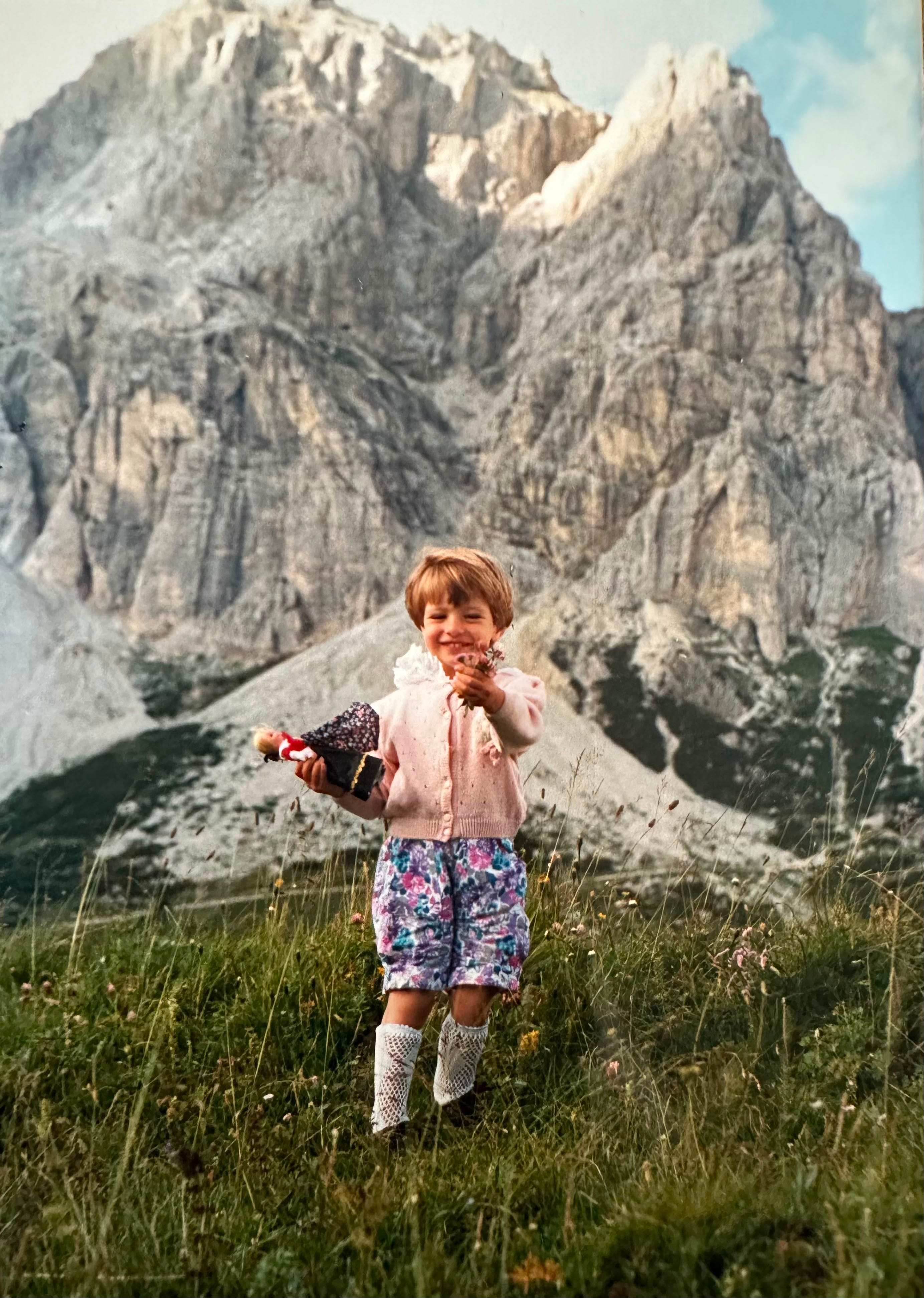
A Map Made of Memories
My childhood map of the Dolomites was never drawn with borders. One valley flowed into another through mountain passes, family excursions and names repeated so often that they became part of our vocabulary.
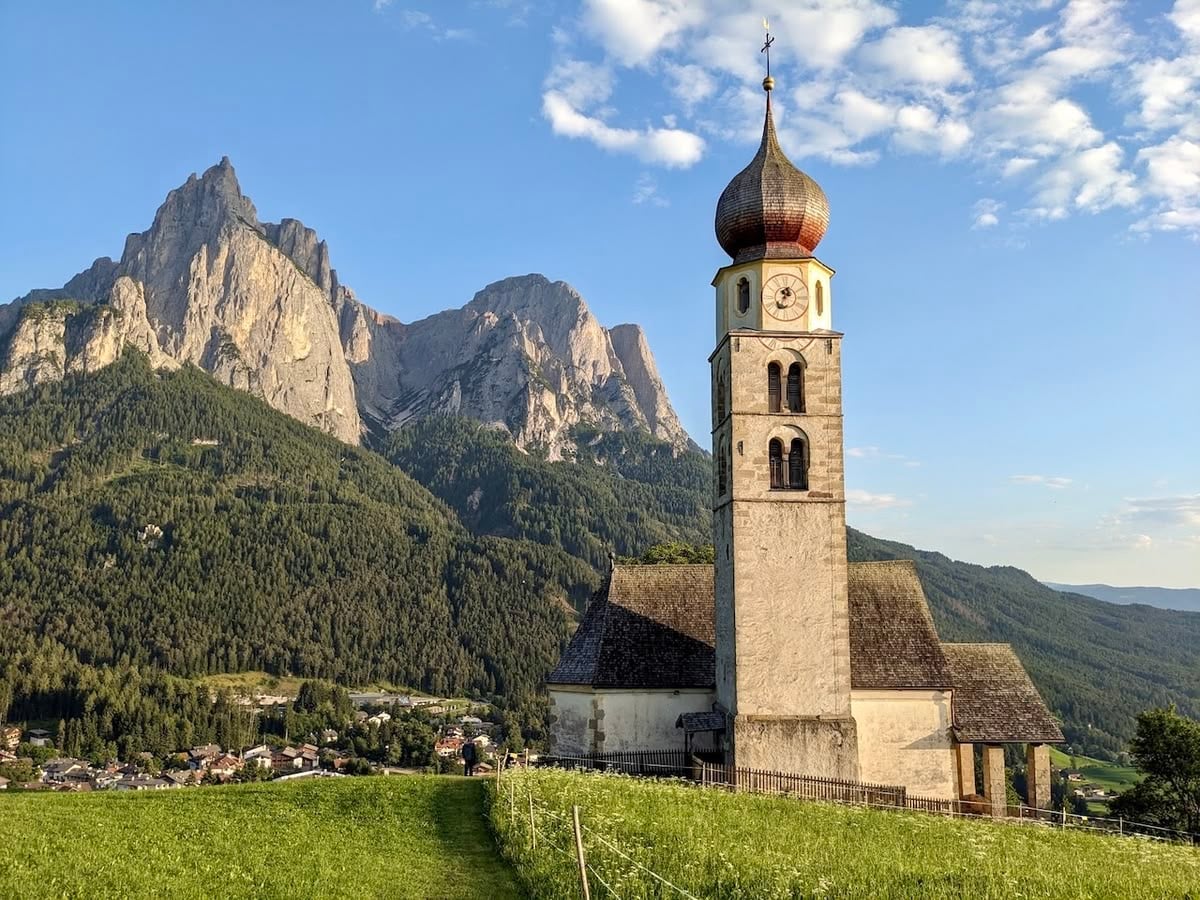
There was Val Gardena, with Ortisei and its long tradition of woodcarving — art born from the same forests that surrounded us. Above it, the Odle rose in their unmistakable line of sharp, pale needles. Beyond, Val di Funes still felt almost unknown: a quieter valley of meadows, farmhouses and church towers beneath some of the most dramatic peaks in Italy. The Puez–Odle landscape connected Val Gardena, Val Badia and Val di Funes not only geographically, but emotionally: three different approaches to the same mysterious architecture of rock.
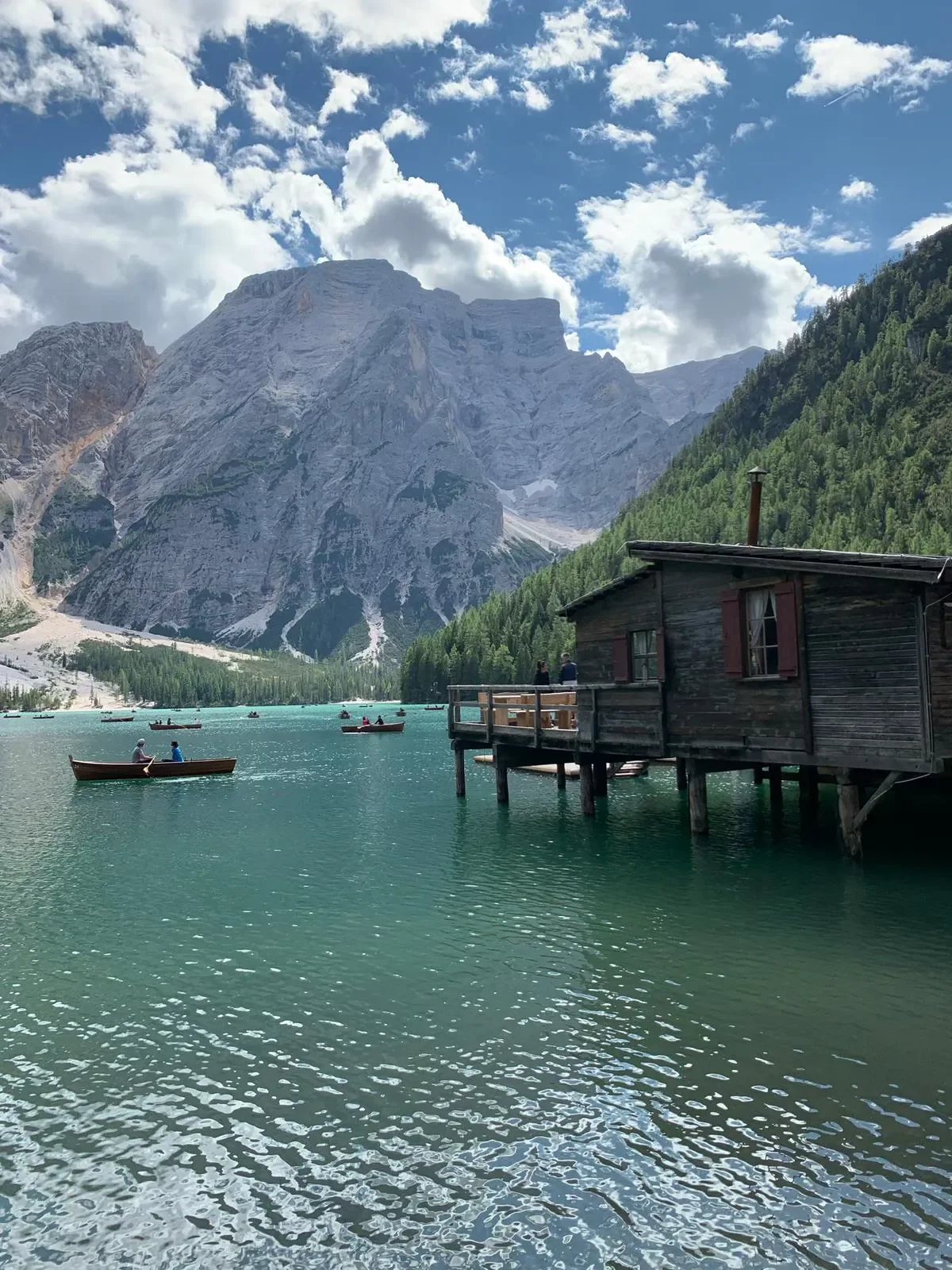
To the east, Val Pusteria brought a different rhythm. San Candido and Dobbiaco were graceful mountain towns, places for an evening walk after a day outdoors. Lake Braies seemed like a jewel set into the forest, its green-blue water held beneath Croda del Becco. Today it is one of the most photographed lakes in Italy, and visiting it requires care, timing and respect. Its beauty is real, but so is our responsibility not to reduce it to an image.
Further on, the mountain world opened towards Cadore: Lake Misurina, the Tre Cime di Lavaredo and the great profiles of the Belluno Dolomites. Cortina d’Ampezzo was already the famous name, polished and glamorous, but the surrounding Cadore valleys held another kind of elegance — quieter villages, family-run hotels, wooded slopes and roads leading to places that did not need to announce themselves.
Southwards, Val di Fassa and Canazei led the eye towards the Marmolada, the highest summit of the Dolomites, while Val di Fiemme offered deep forests, open pastures and a gentler sense of space. These valleys were not interchangeable. Each had its own light, architecture, cuisine and cadence; each deserved time rather than a hurried passage.
And then there was the Stelvio, belonging to another Alpine chapter rather than to the Dolomites themselves. Yet memory is not a cartographer. In my mind, its legendary road, severe high-altitude scenery and vast silence remain part of the same northern summer universe my father taught me to love.
The Real Luxury Begins Where the Road Ends
Some of my strongest memories are not of famous viewpoints, but of what came at the end of a path.
A rifugio appearing after hours of walking. A wooden table warmed by the sun. Boots unlaced beneath a bench. A glass of cold water, a generous plate of food and the feeling that every bite had been earned. Even a simple slice of apple strudel could taste ceremonial at altitude.
This is still the Dolomites experience I want travellers to know.
Of course, comfort matters. A beautifully restored chalet, an intimate spa hotel, an exceptional kitchen and a private driver who understands the mountain roads can transform a journey. But true quality here is never about separating yourself from the landscape. It is about entering it with ease and attention.
Luxury can mean waking in a room scented with larch wood. It can mean walking with an expert guide who knows where chamois cross at dawn and how to recognise the shadow of a golden eagle. It can mean meeting an artisan in Ortisei, visiting a Ladin farmstead, or reaching a small malga where lunch is made from what the family produces nearby. It can also mean doing nothing for an hour in a green clearing, listening to the silence of the forest.
The mountains restore proportion. They remind us that not every moment needs to be filled.
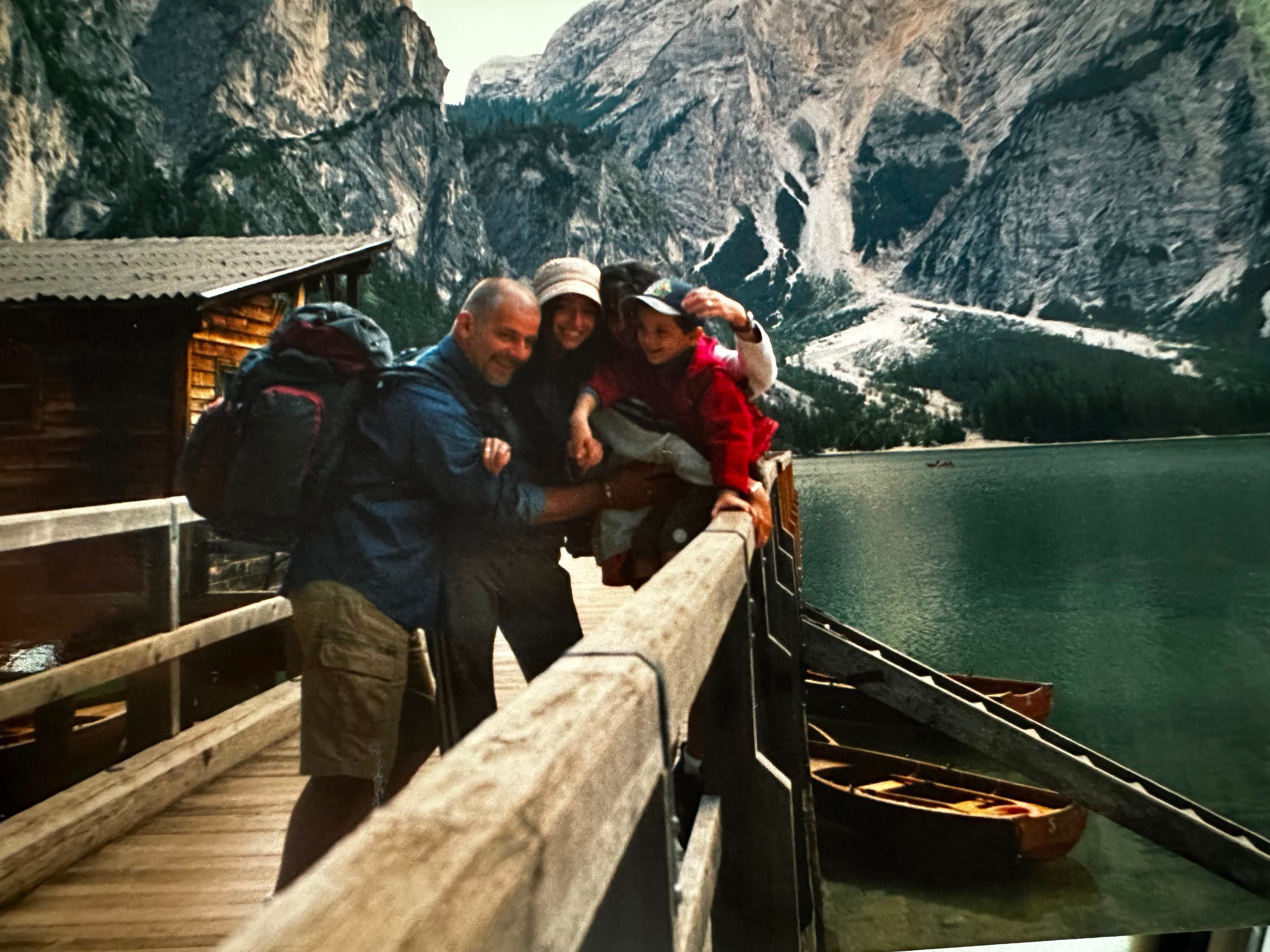
Designing the Dolomites Today
The Dolomites now welcome more travelers than they did during my childhood. Their fame has brought extraordinary opportunities to mountain communities, but it has also made thoughtful travel more important than ever.
As a travel designer, I do not want to pretend that the iconic places should be ignored. Lake Braies, the Tre Cime, Alpe di Siusi, Cortina and the Marmolada are celebrated for a reason. But they should be approached intelligently: at the right hour, in the right season, with the right logistics and with enough time to experience rather than consume them.
Just as important are the quieter alternatives and the spaces between the icons. Val di Funes beyond its famous viewpoints. The side valleys of Alta Badia. Less-travelled paths in Cadore. Forests and pastures in Val di Fiemme. A family-run maso, a small artisan workshop, a rifugio reached on foot rather than selected for its visibility online.
A high-quality Dolomites itinerary begins with the traveller, not with a list. How much do they enjoy walking? Do they want challenging trails or restorative days? Are they moved by folklore, geology, wildlife, food or craftsmanship? Do they need complete quiet, or a balance between mountain solitude and the pleasures of a lively village?
From there, we can create a journey with rhythm: private, carefully chosen accommodation; expert alpine guides; seamless transfers where they make sense; slow lunches; unscheduled afternoons; and paths suited to the person rather than to a trend.
This is also how we protect the Dolomites from the worst effects of overtourism. We travel beyond peak hours and obvious stops. We stay longer. We support local families, guides, farmers, hoteliers and artisans. We treat the mountains not as a backdrop to collect, but as a living place that has welcomed generations before us and must welcome generations after us.
Returning, Every Time
When I think of the Dolomites, I still see my father turning the pages of Meridiani. I hear our footsteps on a forest path. I remember the coolness beside a lake, the smell of rain on wood, the green quiet of a meadow and the first glimpse of a rifugio in the distance.
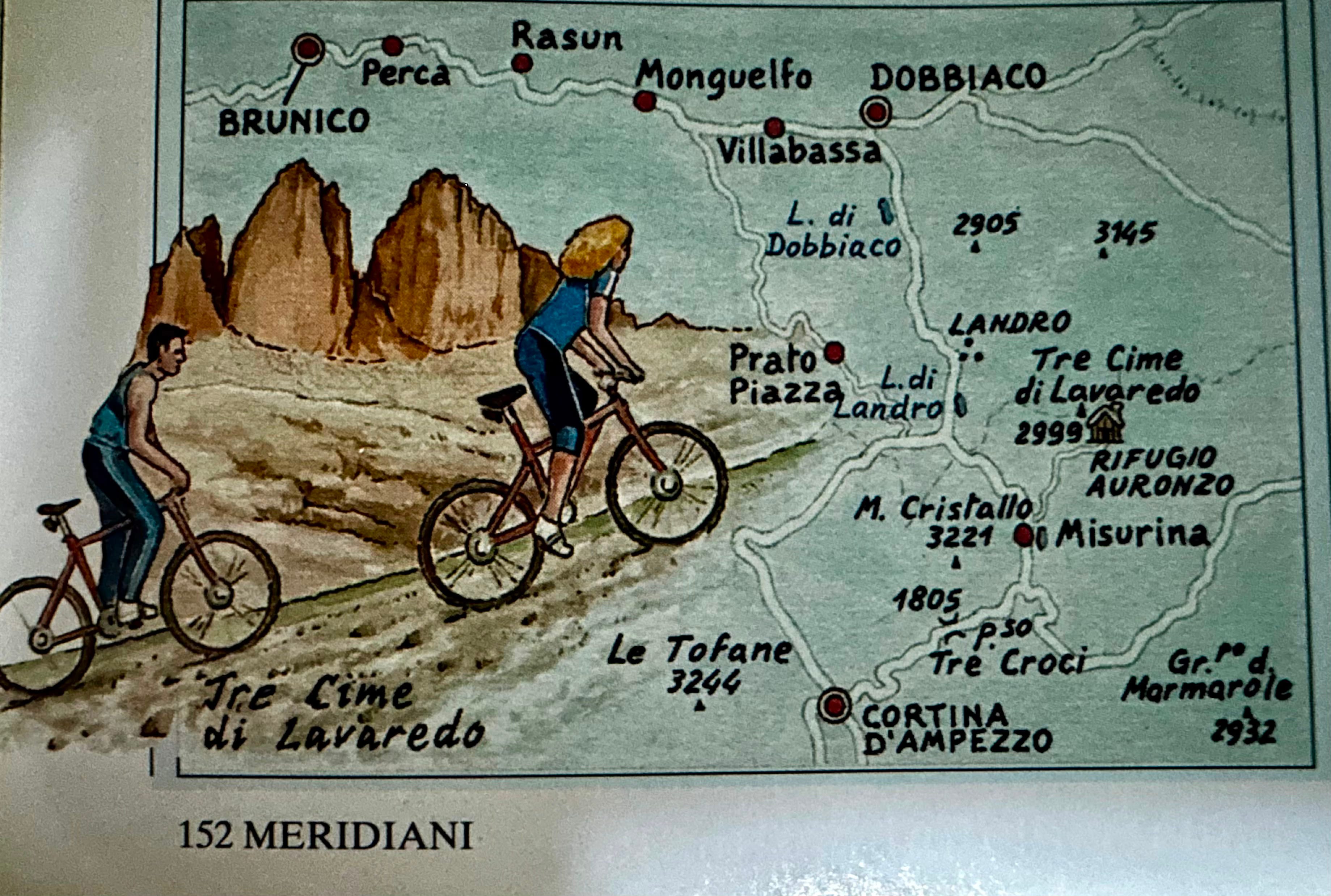
I remember being a child in a place that made the world feel both larger and more intimate.
Perhaps that is why designing the Dolomites feels so personal to me. I am not sending travelers into my past. I am inviting them into what those summers taught me: that the most memorable journeys are made of beauty, certainly, but also of patience, silence, appetite, stories and the freedom to move at a more human pace.
The mountains gave me that understanding long before I became a travel designer.
Now, each time I propose Val Badia, Val Gardena, Val di Funes, Val Pusteria or one of the quieter valleys beyond the famous names, I feel I am passing it on.
To discover the Dolomites through a private journey shaped around your interests, pace and sense of wonder, contact Zest Italy Tours at info@zestitalytours.com.