
The Venice Lagoon
Visit the lagoon and its surroundings as a protagonist.
The Venice Lagoon, also known as Laguna Veneta in Italian, is a confined coastline area spanning more than 550 km2 in the northern Adriatic that encloses the famous city of Venice and several fascinating islands. This lagoon has an incomparable cultural and natural history and is a place of unmatched beauty and richness.
The history of the lagoon dates back 6,000 years, to the time when the sea started to flood the post-ice coastal plains. The earliest villages are thought to have arisen here in order to seek safety from invaders like the Huns and Lombards. In order to avoid the violence and devastation, refugees from the devastated Roman city of Altino fled to the islands. The Republic of Venice grew into a Mediterranean maritime power thanks to the lagoon's safe refuge and growth-promoting qualities. At its end is the Venetian arsenal, which remains a significant reminder of the city's maritime past.
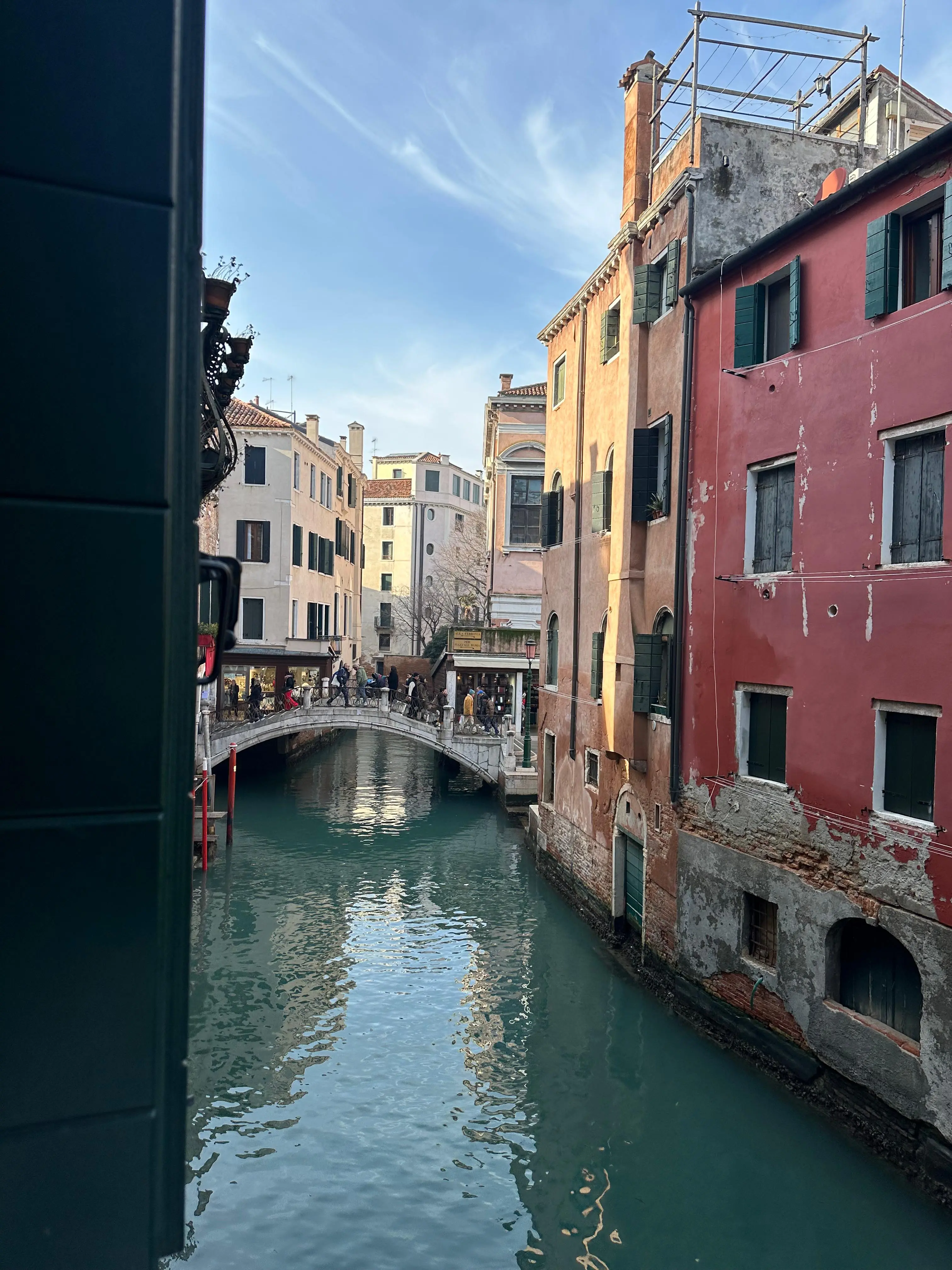
There are vast wetland regions with a unique and delicate nature, as well as several smaller islands, the majority of which are abandoned, in addition to Venice. Alongside the breathtaking landscape, the entire lagoon provides exceptional chances for enjoyment and leisure. Having the opportunity to see the pure beauty of the Venetian lagoon, a haven of peace where time appears to have stopped for ages, adds even more allure to these locations.
What was the beginning of Venice's maritime history?
Following the massive influx of people from the countryside brought on by the barbarian incursions, Venice built a metropolis on the water. Initially, two sets of piles spaced about 80 cm apart were used to define the area that would serve as the foundation for a new building.
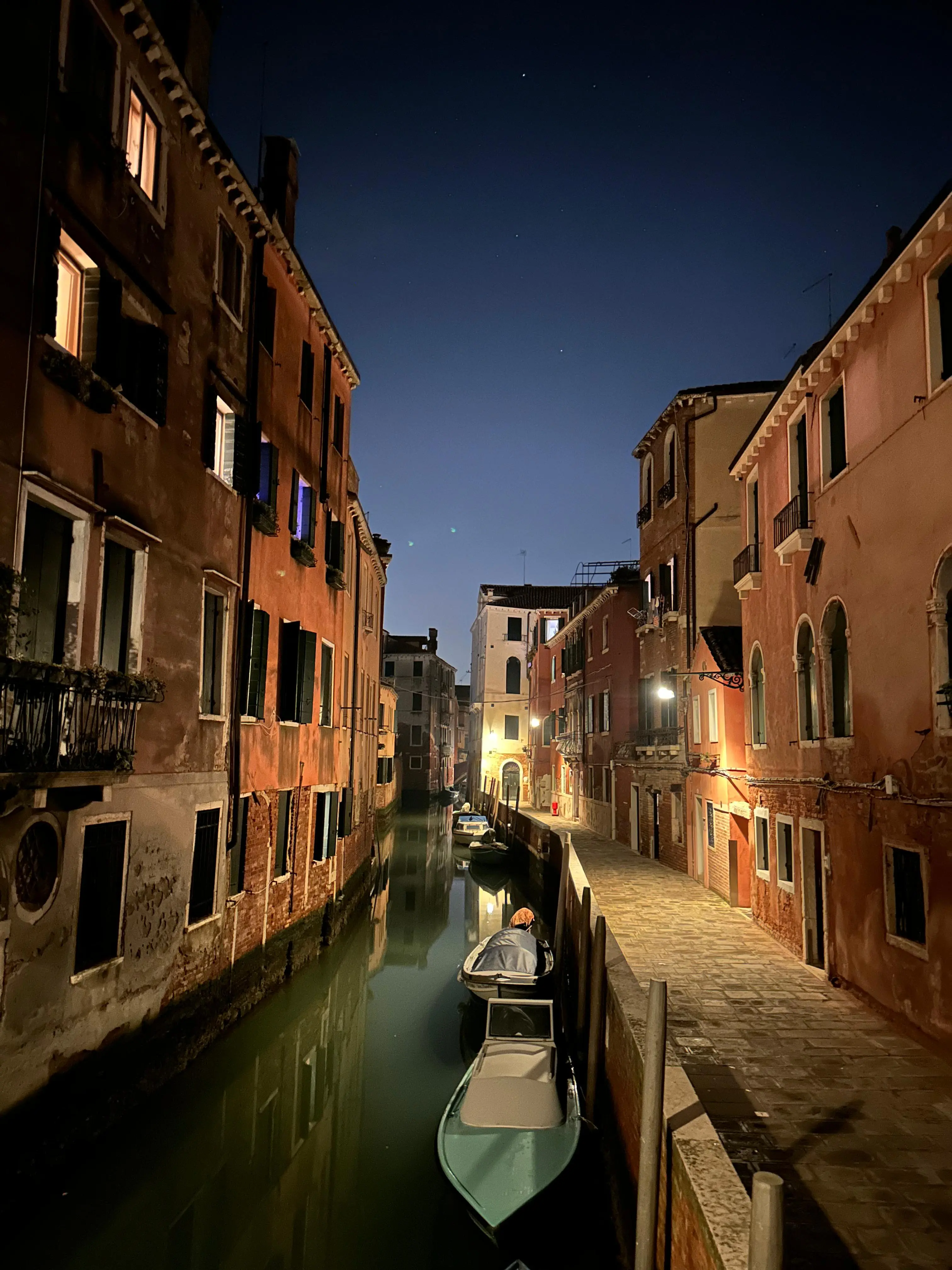
The islands of Torcello, Malamocco, Chioggia, Murano, Mazzorbo, Pellestrina, Costanziaco, and Ammina were the first to be populated, as evidenced by Roman remnants, walls, and port use.
Only later communities will emerge in Rialto, which would eventually become the heart of Venice. Abandoned by deteriorating Rome, these individuals sought refuge in the Lagoon, where they were utterly separated from the rest of Europe.
The actual fortune of Venice was isolation from the mainland which has prevented invasions and plundering for almost a millennium, an unprecedented case in European history.
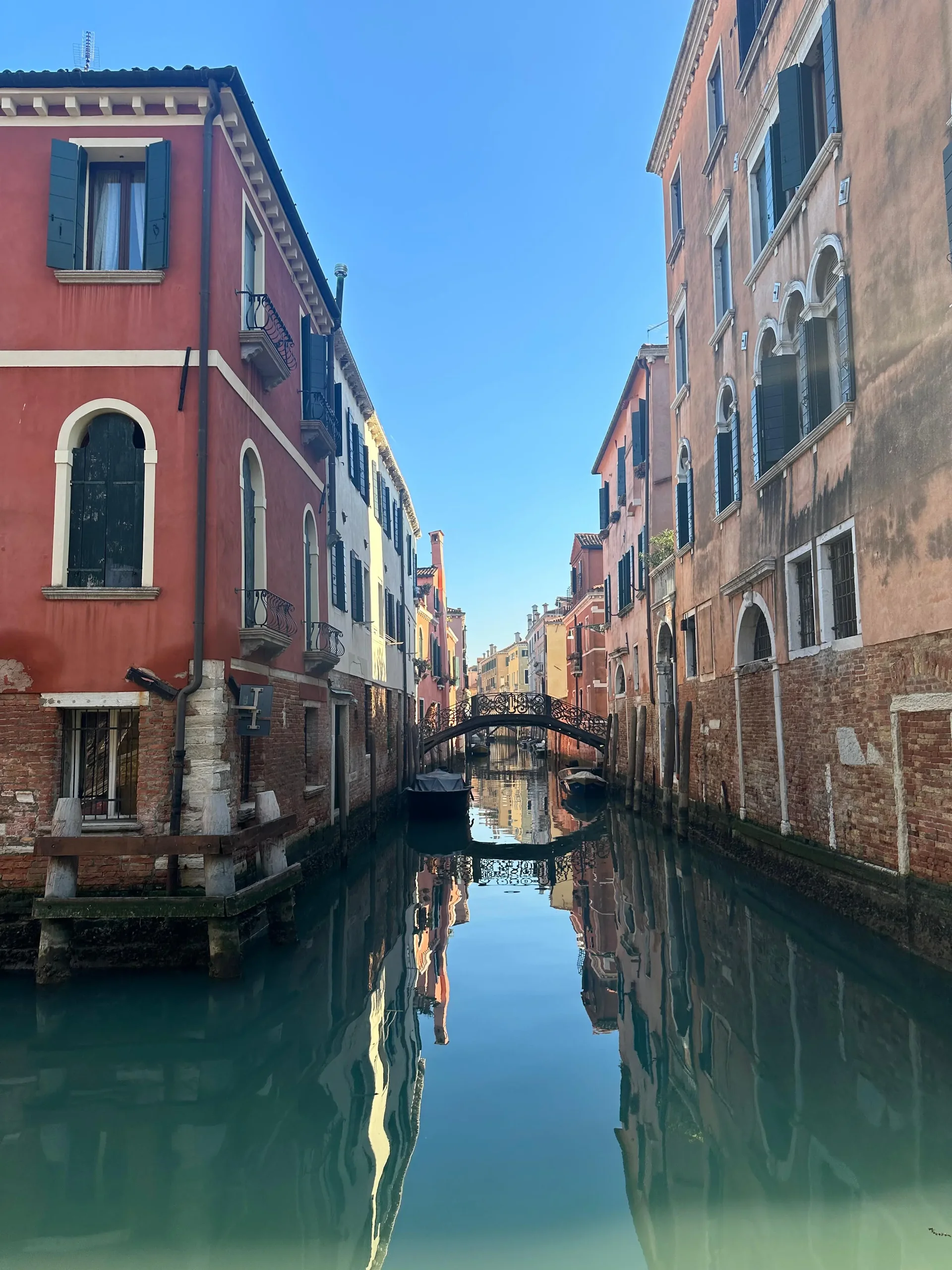
Venice, the pearl of the lagoon, features a distinct group of architectural structures that echoes the height of the Republic's magnificence. From the great monuments of St Mark's Square (the Basilica, the Ducal Palace, the Marciana Library, the Correr Museum, and the Procuratie Vecchie) to the more modest residences in the streets and fields of its six districts, including the Grandi Scuole studying center, the Schools' hospitals, and the thirteenthcentury charitable or mutual aid institutions.
The Venice Lagoon is an excellent example of a semi-lacustrine environment in the Mediterranean. Houses on poles, fishing communities, and rice paddies must be protected in the same way as palaces and churches are in this interconnected environment, where the barren (muddy terrain currently above or below sea level) is as important as the islands. As a result, Venice signifies man's victory over the elements and his ability to subdue a hostile environment.

The city, known as the "Queen of the Seas," is inextricably linked to human history, having expanded its horizons well beyond the lagoon, the Adriatic, and the Mediterranean.
Our tips for getting away from the typical tourist paths and discovering a more authentic and mysterious Venice.
Visiting the Doge’s Palace, Piazza San Marco and Basilica San Marco is a must-do, especially if you are in Venice for the first time, but there are also other places to explore in the lagoon such as:
Canal Grande, the Rialto Bridge, the Accademia Galleries, the Peggy Guggenheim Museum, the Palazzo delle Prigioni Nove (to discover the legends and secrets of Casanova), the Renaissance Church of San Zaccaria, the Basilica dei Frari, the Scuola Grande di San Rocco painted by Tintoretto (considered the Sistine Chapel of Venice), Teatro La Fenice, the Contarini Bovolo Staircase and the islands of Burano, Murano, Torcello and Giudecca.
Lose yourself in the streets, visit the museums, be amazed by the gardens, tour the islands, immerse yourself in customs and traditions, wander through the markets, try the traditional dishes, do a mask workshop in a historical local laboratory, take a gondola ride with a serenade, take a boat tour through the lagoon's wild nature, do bird watching, and visit Lio Piccolo, a specific area in the Venetian lagoon known for its population of flamingos and other bird species.
To customize your one-of-a-kind trip to Venice contact us at info@zestitalytours.com