
Hidden jewels of Rome
The Great Beauty away from tourist routes.
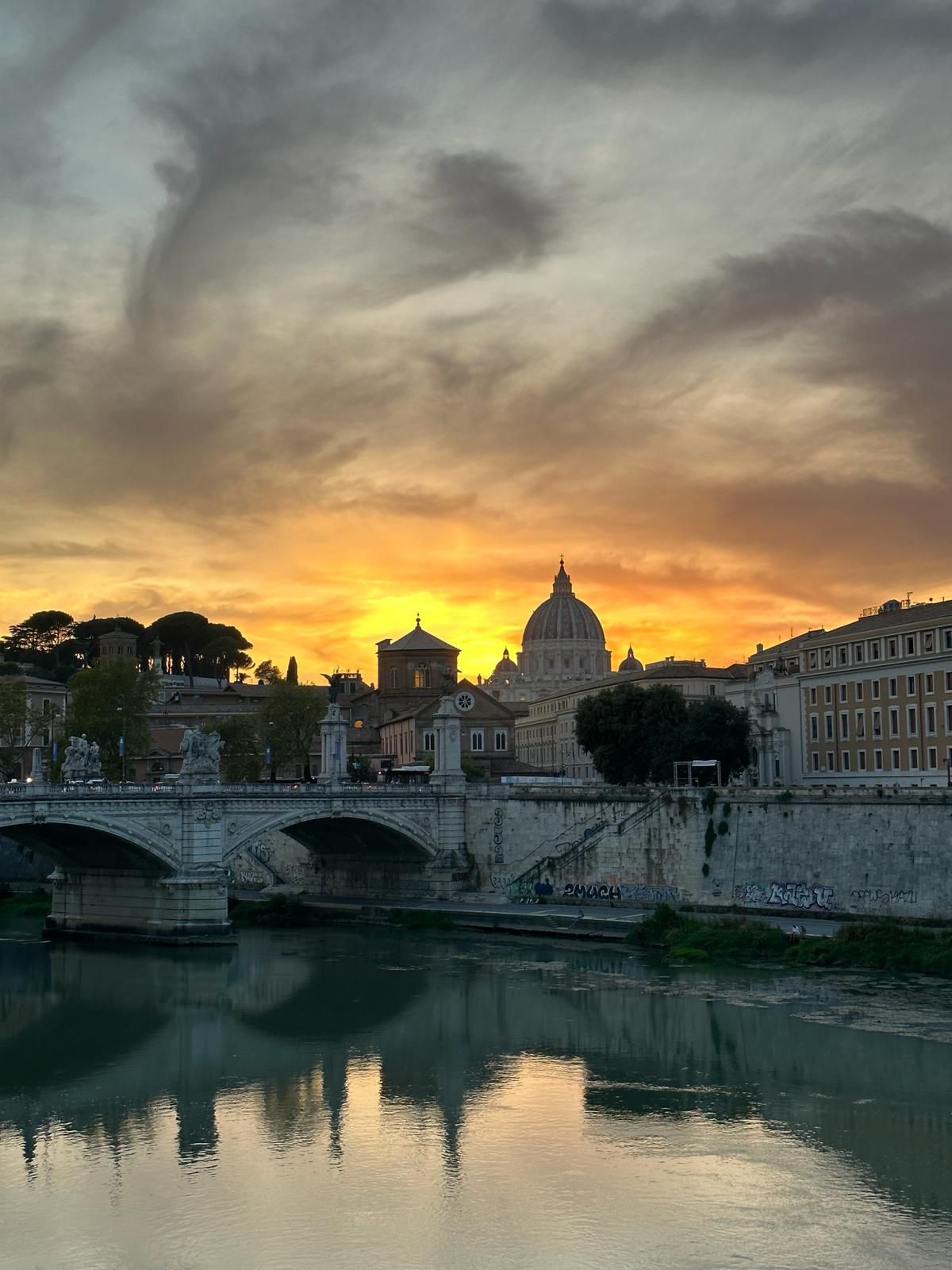
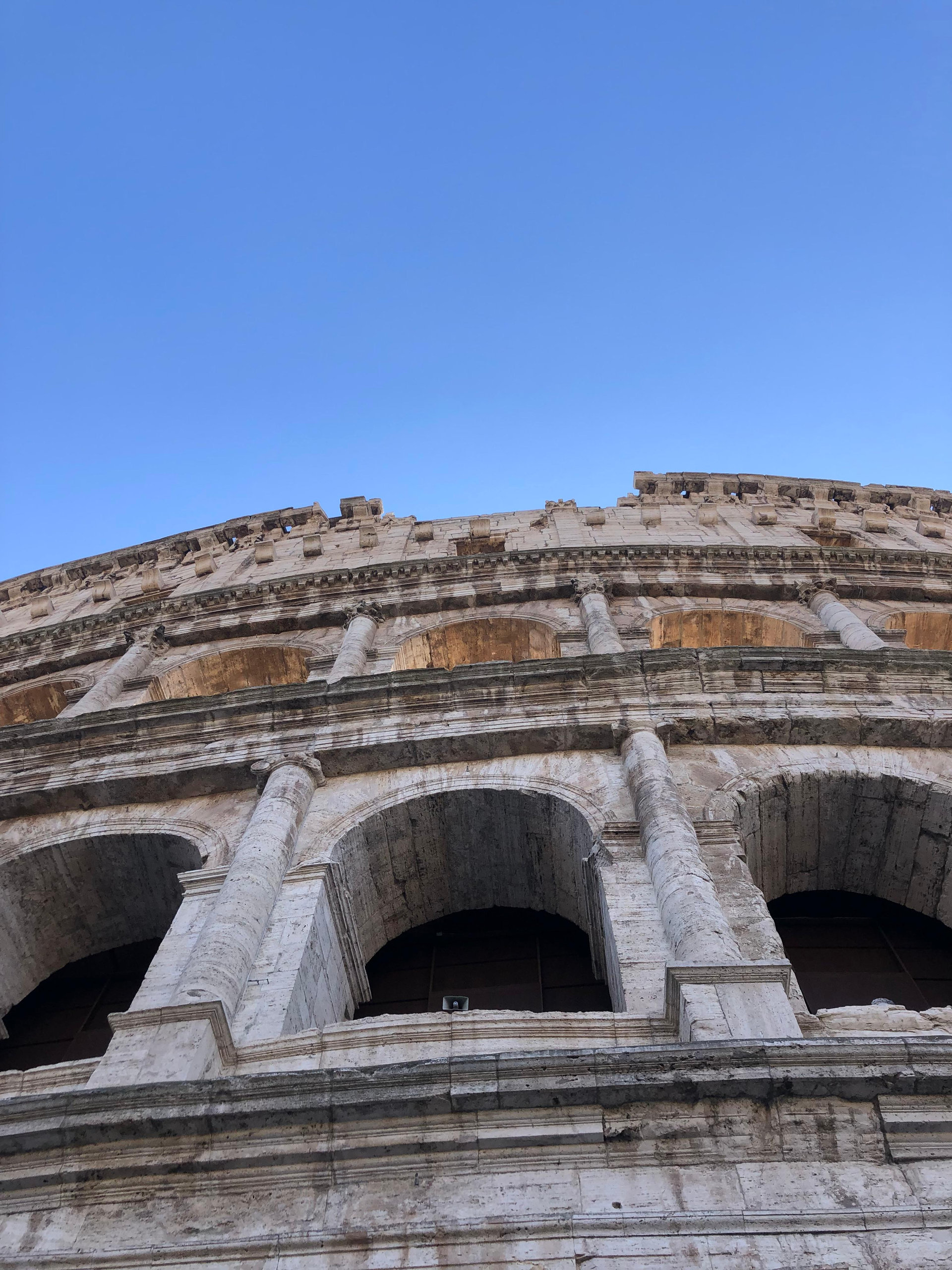
Rome is undoubtedly a fascinating city with a rich cultural heritage. A must-see destination that everyone enjoys at least once in their lifetime. The capital of our stunning nation and a global icon of Italian culture. Beyond the usual landmarks everybody has visited at least once when coming to Rome, the Colosseum, the Forum, Piazza di Spagna, Piazza Navona, and St. Peter’s Basilica, there are extraordinary places which remain completely unknown. Jewels off the beaten tracks of the standard tourist itineraries.
The undergrounds and secluded catacombs along the Appia Antica. Beneath your feet there is an ancient sunken city, sleeping ruins of palaces and baths, circuses and theatres, masterpieces buried under the sediments of thousands of years.
The Scatola Archeologica (archaeological box) on the Aventine hill, a fascinating urban landscape of the past. An innovative and virtuous project able to combine archaeology, architecture and technology with a new formula. In 2014 during the excavations for a residential complex, materials and structures have emerged that span eight centuries of history. A Roman domus presenting distinct construction phases and six layers of floor mosaics that testify to the rebuilding that occurred in this area over two centuries.
The Domus Romane in the undergrounds of Palazzo Valentini, near Piazza Venezia. In 2005, the remains of a massive temple and two enormous imperial palaces were unearthed in the basement of Palazzo Valentini, next to the Colonna Traiana.
The Hendrick Christian Andersen museum, the house-museum of the Norwegian- American sculptor who lived in Rome from the end of the 19th century until his death. The building was built and decorated by himself in neo-Renaissance eclectic style. The collection of works (more than 200 large, medium, and small sculptures in plaster and bronze; more than 200 paintings; and more than 300 graphic works) is renowned for its distinctiveness.
The Villa Torlonia bunker, a place that re-evokes the historical period of the bombing of Rome during the Second World War. The two underground structures with a multimedia layout allow an immersive and experiential visit.
The museum of Centrale Montemartini, the building originally a thermal power plant was converted into a museum in 1997. Inside it exhibits sculptures, mosaics and archaeological finds from the Roman age.
The Ninfeo Museum which exhibits the discoveries of the Horti Lamiani area, bringing a piece of Esquilino history back to the city.
Cinecittà between film sets, interactive exhibitions, installations, costumes and props that reveal the secrets of the seventh art.
The modern street art in the lively neighborhoods of Tor Marancia, Trastevere, Torpignattara, San Lorenzo, Ostiense, Trullo and many others. In recent years, visitors and people have become interested in the murals created by international painters. The primary functions of street art are to renew and enhance urban environments both culturally and socially.
Parks in Rome are also an important aspect of city life, history, and art. And there are numerous: Rome is filled with villas and gardens. Villa Borghese, Villa Pamphilj, Villa Ada just to name a few. The monumental trees: holm and evergreen oaks, plane trees, pines, elms, mulberry trees, palms and laurels are the green lung of the city.
These are only some of the spots which normally remain reserved for the locals but that are definitely worth a visit if you are planning to come to Rome.