

The Venice Lagoon: A More Intimate Way to Experience Venice
Venice is inseparable from its lagoon. Beyond St Mark’s Square and the Grand Canal, a world of islands, waterways, artisans and living traditions reveals a slower and more intimate side of the Veneto.
Venice is often described as a city built on water. I prefer to think of it as a city held by water.
The lagoon is not simply the landscape surrounding Venice. It is the reason the city exists, the element that shaped its architecture, its trade, its traditions and its entire way of life. Long before Venice became one of the world’s most visited destinations, the lagoon was a place of refuge, work and movement. Communities settled among its islands, fishermen navigated its channels and boats connected one place to another long before modern roads and bridges changed the way we travel. The city and the lagoon have always been inseparable. To understand Venice, it is therefore worth looking beyond the most famous views and allowing the water to become part of the journey.
The lagoon is Venice’s first story
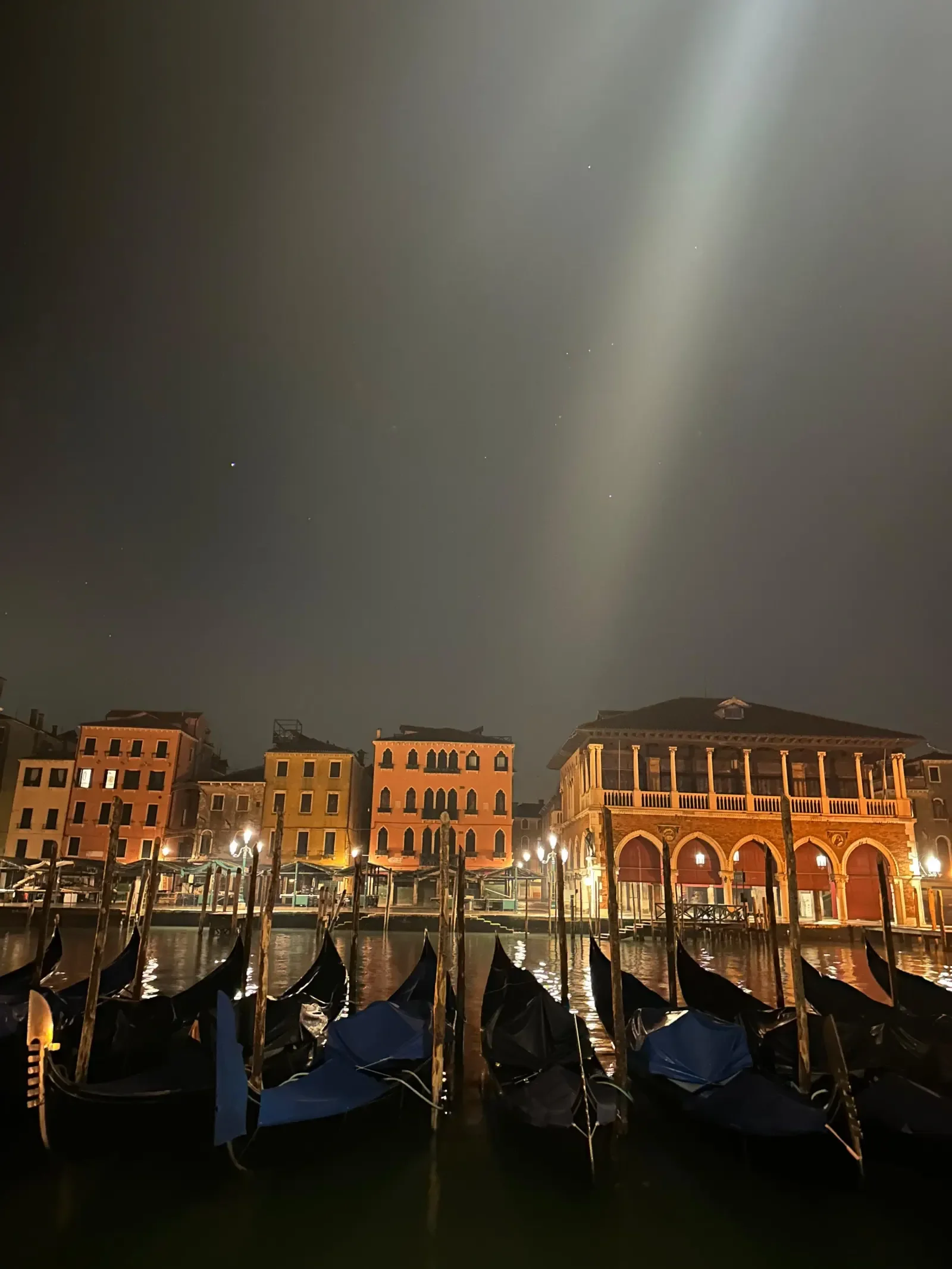
For first-time visitors, the essential landmarks remain essential. St Mark’s Square, the Basilica, the Doge’s Palace, the Grand Canal and the Rialto Bridge all deserve their place in a first encounter with Venice. These are not simply famous sights; they are part of the city’s visual and historical language. But Venice can feel very different when it is not experienced only as a list of monuments. The lagoon introduces another rhythm. From the water, palaces, churches and embankments appear from a different perspective. The city seems less static and more alive, constantly changing with the light, the weather and the movement of the boats. A façade that looks imposing from a crowded square can appear almost intimate when seen from a quiet stretch of water. A church tower becomes a point of orientation across the lagoon. The sound of footsteps gives way to the gentle movement of a boat, and the relationship between the city and its surroundings becomes easier to understand. This is why exploring Venice by water is not simply a practical way to reach the islands. It is a way of seeing the city as it was meant to be seen. A private boat experience in Venice can be shaped around the interests and pace of the travelers. It may focus on architecture, photography, local life or the simple pleasure of moving through the lagoon without rushing from one scheduled stop to the next. The route itself becomes part of the experience.
Begin with Venice, but do not stop there
Venice rewards visitors who allow themselves time to wander. The city’s character changes from one neighborhood to another. Some areas are animated by markets, small restaurants and local movement. Others reveal quiet courtyards, hidden churches and narrow streets where the rhythm feels far removed from the main tourist routes. A thoughtful visit does not need to avoid the famous landmarks. It simply gives them context.
After seeing St Mark’s Square, it may be meaningful to explore the stories, legends and small details of the surrounding districts. After visiting the Doge’s Palace, a quieter walk can reveal the relationship between power, commerce and everyday life. A museum or church may become more memorable when it is connected to the neighborhood around it rather than treated as an isolated stop. Our private walk through Venice's history and legendscan be adapted around the parts of the city that most interest the travelers, from hidden corners and historic churches to artisan workshops, local markets and traditional food stops. This is also where timing matters. Venice is a city of changing atmospheres. The same street can feel entirely different in the early morning, under the soft light of late afternoon or after the busiest hours have passed. A private itinerary allows the day to be designed around those shifts rather than forcing every visit into the most obvious time slot. The objective is not to see less. It is to see with greater attention.
The islands speak in different voices
Murano, Burano and Torcello are often grouped together as a simple excursion from Venice. In reality, each island has its own character and its own story. Murano is shaped by its glassmaking tradition. The most interesting part of visiting the island is not simply looking at finished objects in a showroom, but understanding the patience, precision and knowledge behind them. Inside a traditional workshop, the material appears to change almost instantly. Glass is heated, shaped and transformed by movements that seem effortless but are the result of years of experience. For travelers interested in design, craftsmanship or contemporary art, this encounter can offer a much deeper understanding of Murano than a quick visit to a shop. Burano has a completely different atmosphere. Its colorful houses and quiet canals are immediately recognizable, but the island’s identity is also connected to its lace-making tradition and to the fishing communities that shaped everyday life here. Walking through Burano becomes more meaningful when the island is seen as a living place rather than simply a colorful backdrop for photographs. There is a particular beauty in the contrast between the bright façades and the practical details of daily life: boats tied along the canals, laundry hanging outside homes, small doorways opening onto the water and residents moving through the island at their own pace. Torcello is quieter again. Its ancient church, open landscape and almost suspended atmosphere make it feel far removed from the busiest parts of Venice. It is a place for travelers who appreciate silence, history and the feeling of reaching somewhere that has retained a strong sense of distance. A well-designed visit does not need to include every island. In many cases, choosing two places and giving them enough time creates a more rewarding experience than rushing through three or four stops. Our private Murano and Burano Experiencecan include boat transfers, artisan encounters and time for lunch, with the day arranged according to the travelers’ interests and the wider journey. The boat itself is part of the experience. The route, the light on the water and the changing view of Venice create the transitions between one island and the next. There is no need to fill every moment. Sometimes the most memorable part of the day is simply crossing the lagoon in silence.
A landscape to enter, not simply see
Beyond the best-known islands, the lagoon becomes more open and more rural. Salt marshes, reeds, fishing boats and low horizons replace the palaces of central Venice. Places such as Sant’Erasmo, Vignole, Pellestrina, Chioggia and the northern lagoon offer a different understanding of the region—one connected to agriculture, fishing and the delicate balance between water and land. There is a point where Venice stops feeling like a city and starts feeling like open landscape. The water becomes wider. The buildings become fewer. The horizon opens, and the sense of distance changes completely. For some travelers, this is the side of the lagoon that remains most memorable. It may appeal to those interested in nature and photography, to travelers looking for a quieter day away from the city, or to anyone curious about the communities and traditions that continue to exist beyond the main visitor routes.The northern lagoon, including areas such as Lio Piccolo, can reveal a particularly different landscape, with small waterways, wetlands and a greater sense of silence. Other parts of the lagoon are better suited to local food, fishing traditions or a visit connected to the history of the islands. These places should not be added simply because they appear close together on a map. The right choice depends on the season, the weather, the tide, the boat route and the interests of the travelers. Some locations require more time to reach and are meaningful precisely because they are not interchangeable with a standard island visit. This is where local knowledge becomes essential. The lagoon is beautiful, but it is also delicate. Moving through it responsibly means understanding its rhythms and choosing experiences that respect the landscape and the people who live there.
Venice as the beginning of a wider Veneto journey
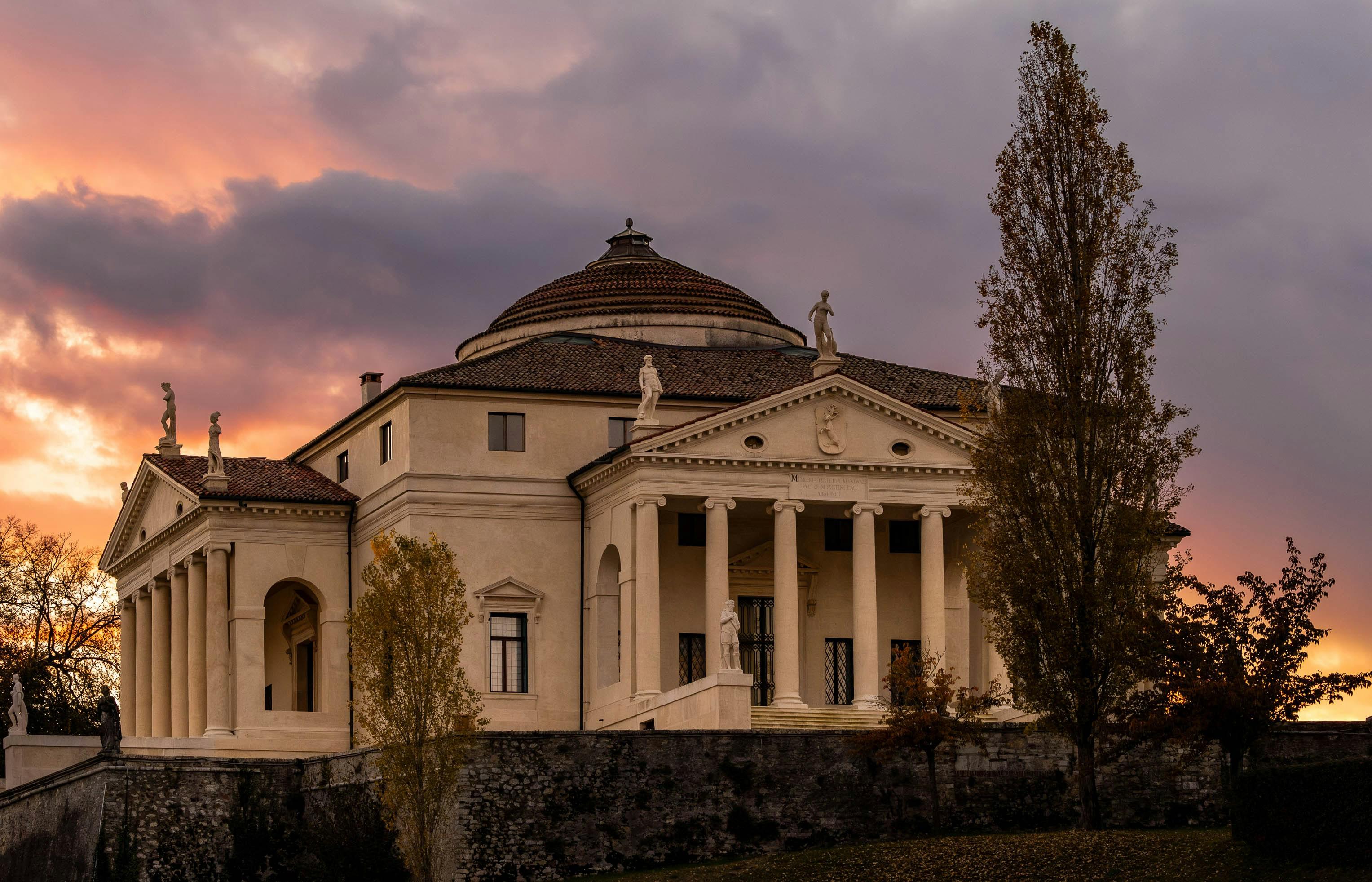
Venice does not need to be treated as an isolated stop. With the right amount of time, the lagoon can become part of a broader journey through the Veneto, connecting the city with Verona, the Prosecco Hills, the Palladian villas, the Riviera del Brenta or Lake Garda. These are not simply additional destinations to add to a list. They offer a change of rhythm: from water to countryside, from Gothic palaces to Renaissance architecture, from the energy of Venice to the slower pace of vineyards and historic villas. Verona brings a different type of urban experience, with Roman remains, elegant squares and a strong literary identity. The Prosecco Hills introduce a landscape of vineyards, small villages and family-run estates. The Palladian villas offer an architectural journey through proportion, harmony and the relationship between noble residences and the countryside around them. For travelers interested in design and architecture, the world of Palladian Villascan provide a natural continuation of the artistic story that begins in Venice. Our 3-day journey through Venice, the lagoon and Veneto is one example of how the area can be approached as a complete experience rather than as a city break with a standard island excursion. The final combination always depends on the wider itinerary. For some travelers, Venice and the lagoon will be the central focus. For others, the city may be one chapter within a longer journey through Northern Italy, connected to the Dolomites, Lake Garda, Verona or another region that complements the overall route.
Choosing the right pace
A visit to the Venice Lagoon should not feel like a sequence of boat transfers and scheduled stops. The most successful experiences leave room for observation: time to look at the landscape, speak with an artisan, enjoy lunch without watching the clock or remain on the water a little longer because the light has changed. This is particularly important in Venice, where the transitions between places are part of the experience. A boat ride is not empty time between two activities. It is one of the ways the lagoon reveals itself. At Zest, we do not consider the lagoon a list of islands to be checked off. We see it as part of a private, tailor-made journey: a landscape that should be entered with the right boat, the right pace and the right local perspective. Sometimes that means visiting a celebrated island. Sometimes it means following a quieter channel, meeting an artisan or sitting down for lunch somewhere that could not have been found from a standard map. Venice is not only the city in the middle of the water. It is the water, the islands, the people, the crafts and the landscapes that make the city what it is.
To design a private journey through Venice and the Veneto contact us and tell us what kind of Italy you would like to experience. [Private boats, island traditions and the quieter landscapes beyond the city.]