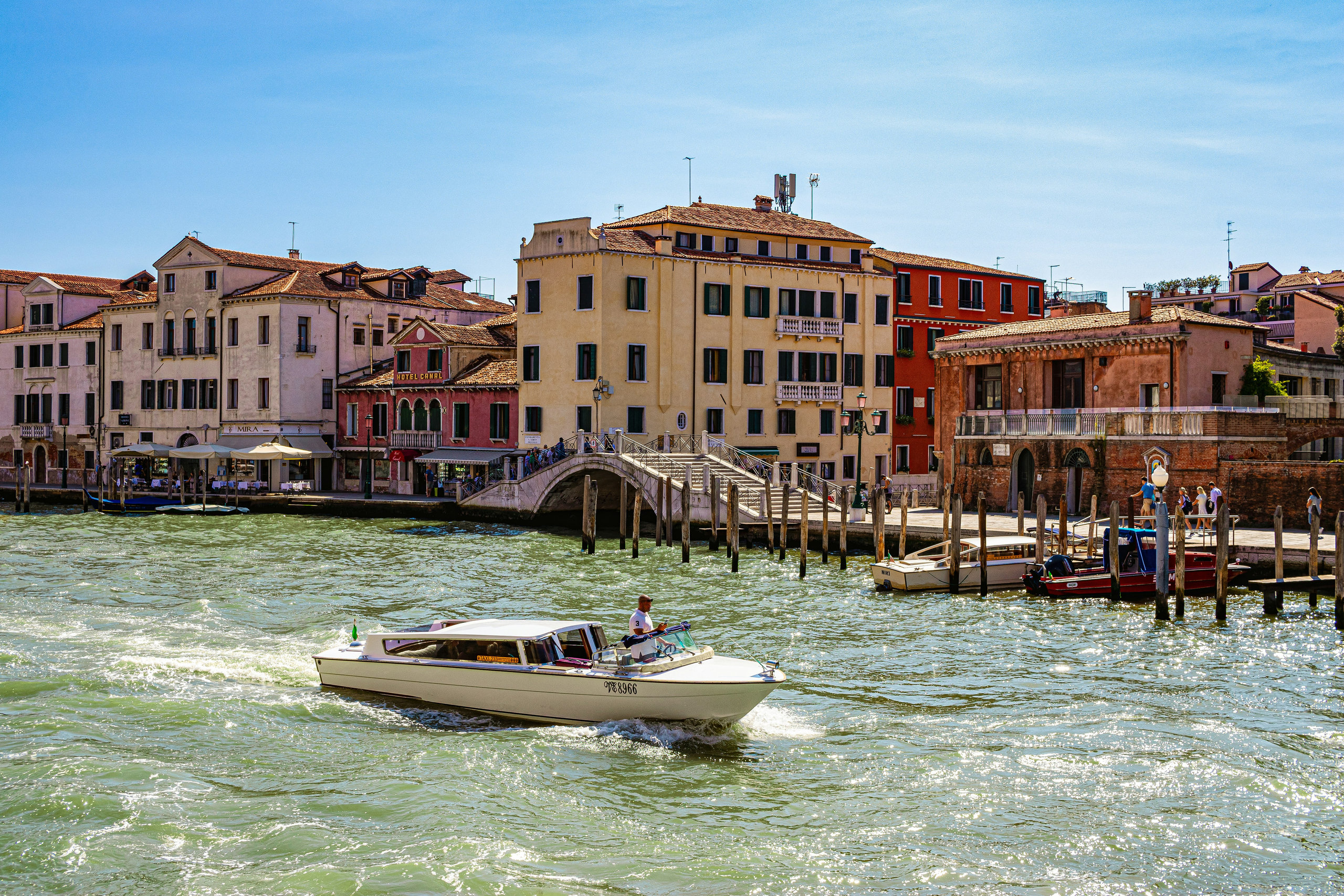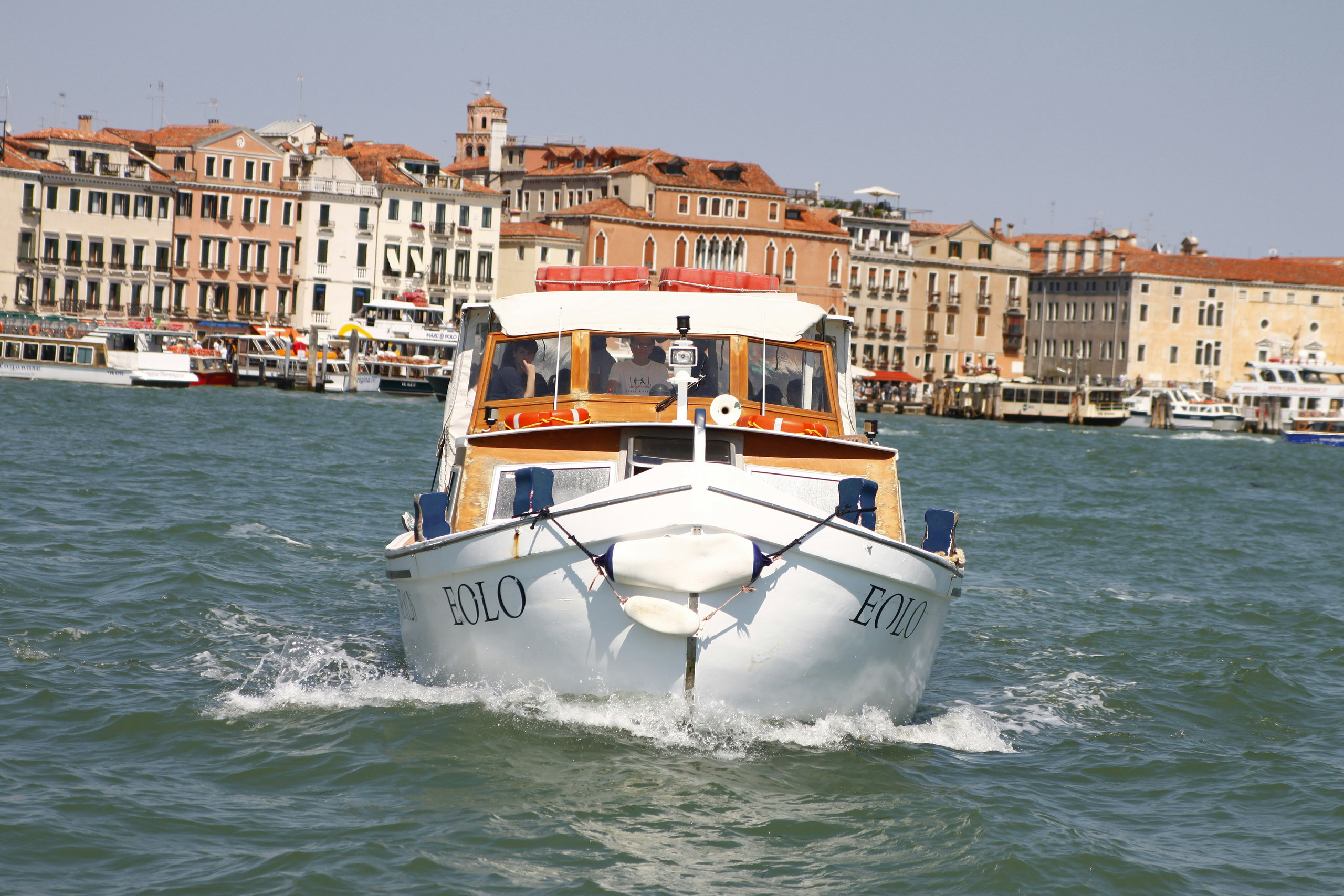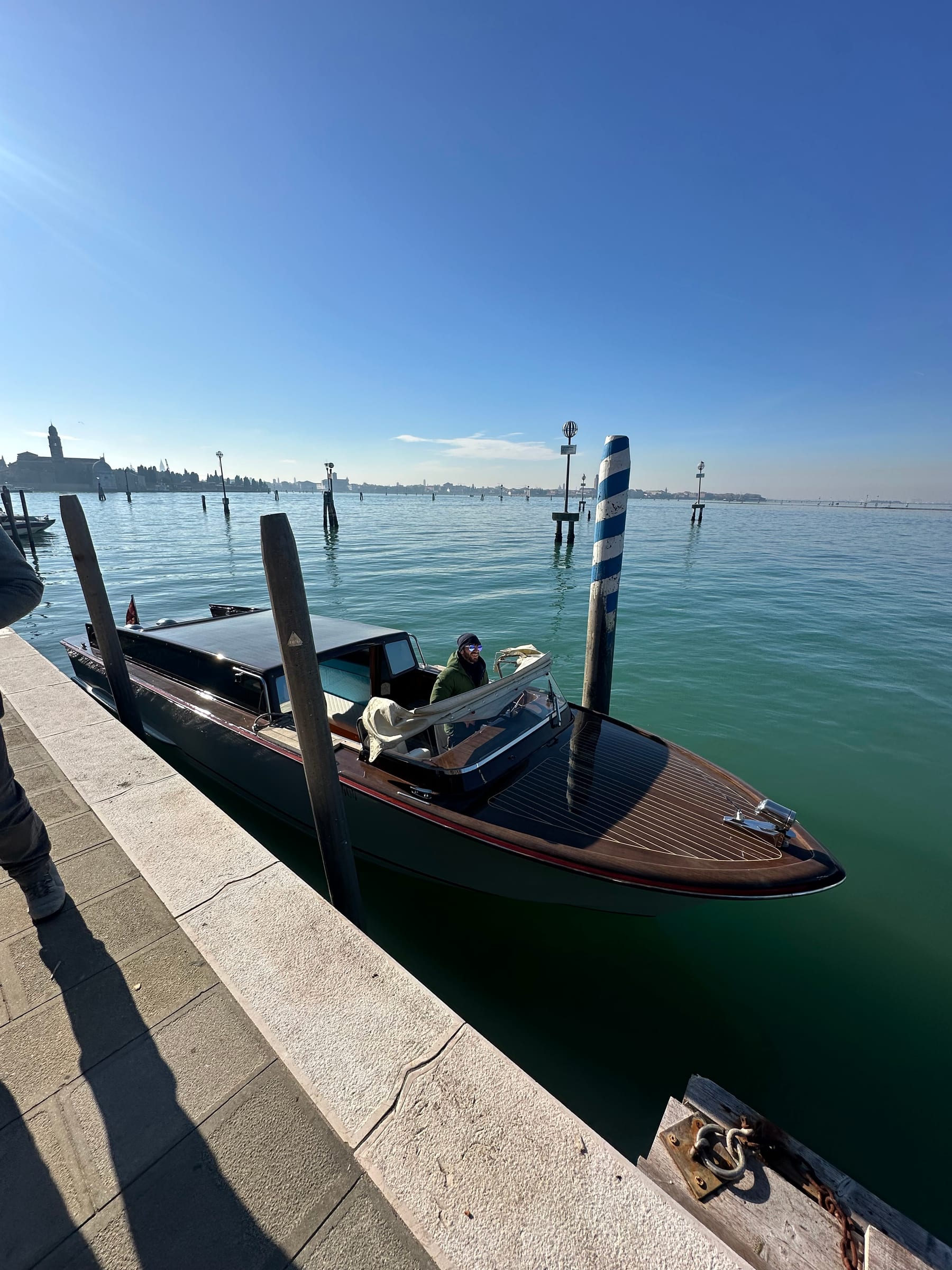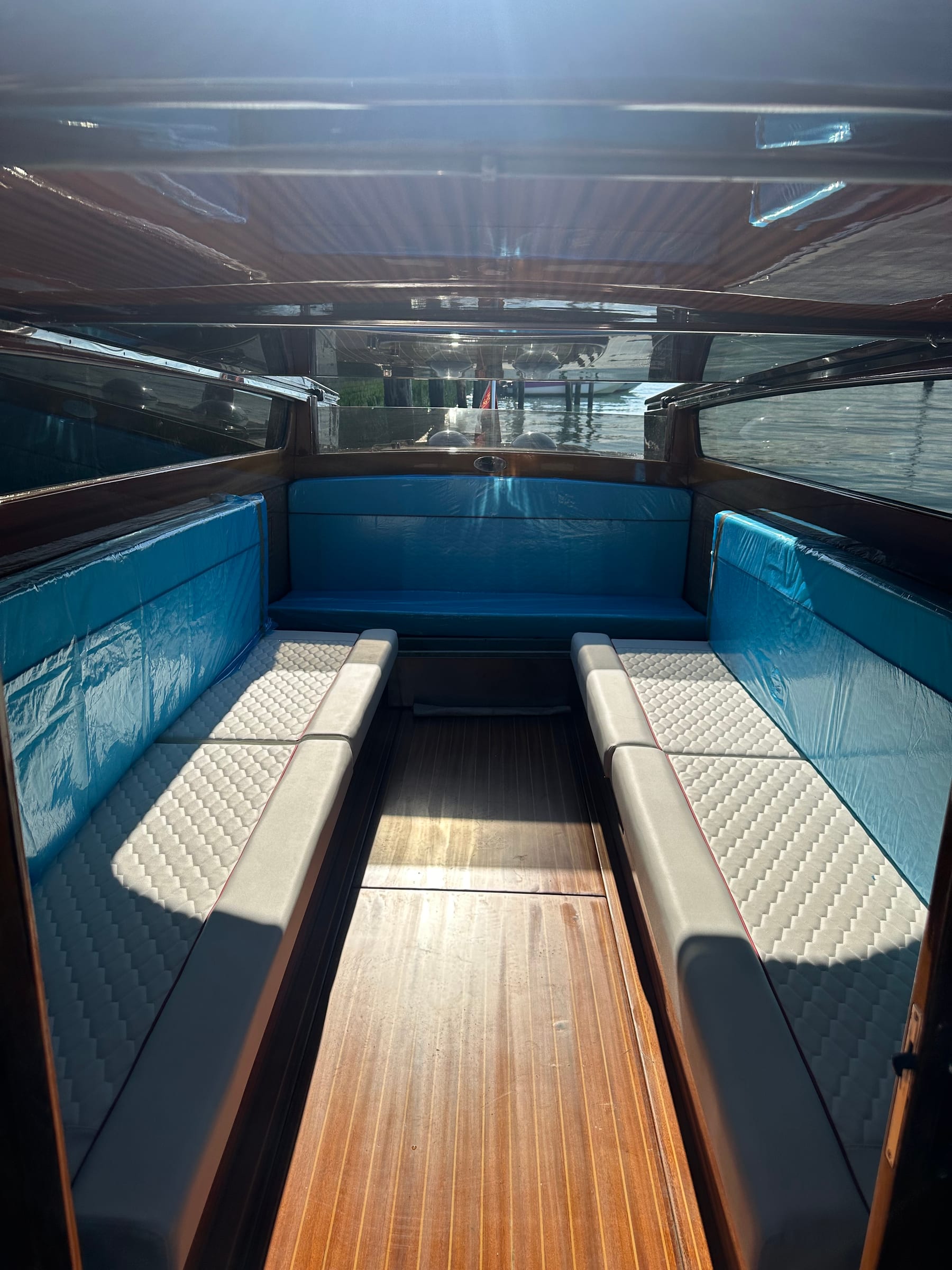

In Venice, the past and present do not simply coexist—they glide together like gondolas crossing a silent canal.
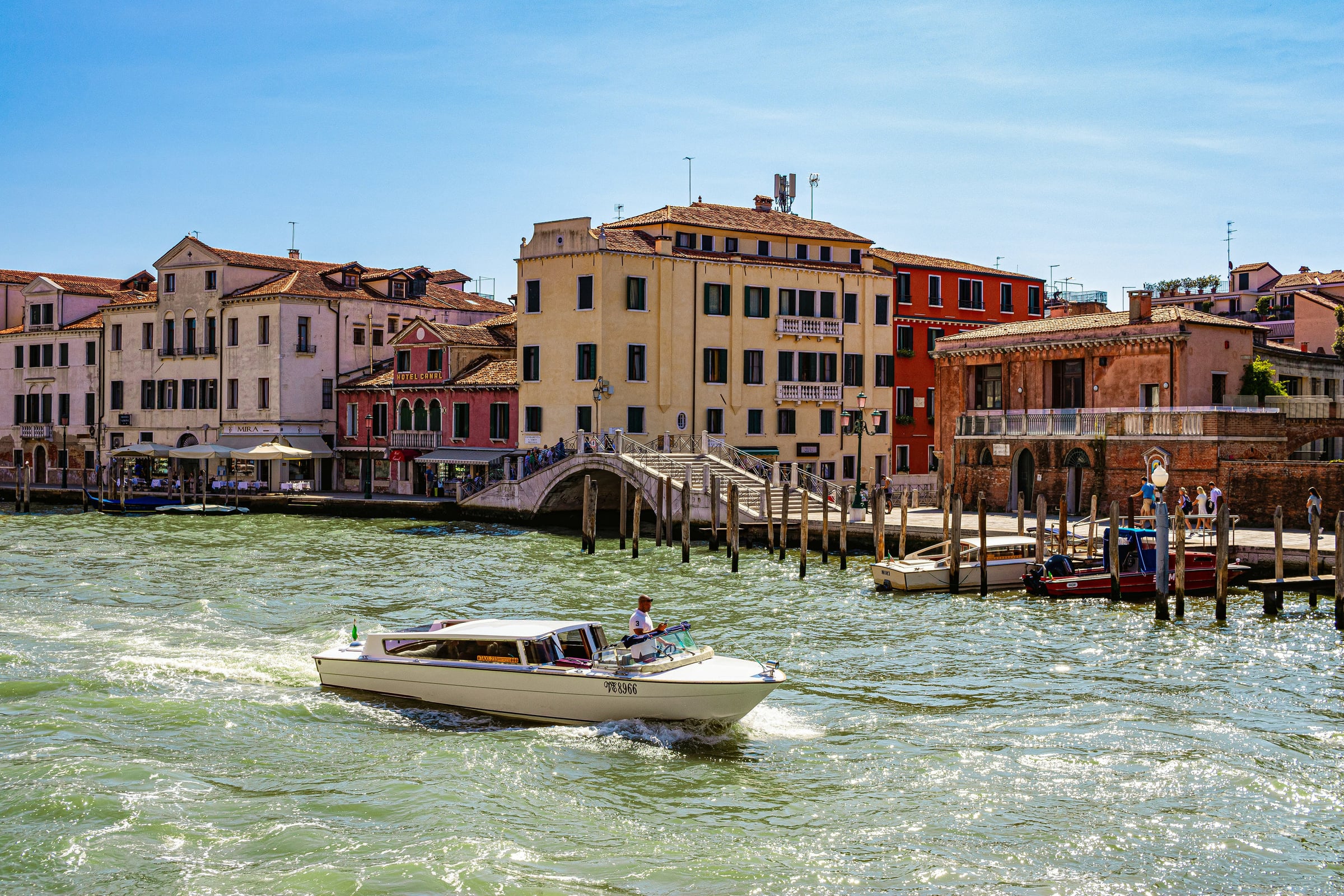
Stone rises from water as if it has always belonged there, and water, in turn, cradles the city like a patient mirror. At sunrise, when pale gold light spills across the lagoon and brushes against weathered facades, the city seems to awaken slowly, as though surfacing from a centuries-old dream. The first shimmer of morning softens every edge. Domes glow. Windows flicker. Ripples fracture the reflections into liquid brushstrokes.
Then comes the fog—gentle, theatrical, unhurried. It drifts through alleyways and across open squares, veiling and unveiling the city in turns. Palaces fade into silhouettes. Bridges hover like half-remembered thoughts. Footsteps echo louder in the hush, and the boundaries between centuries begin to blur. Is that a modern passerby crossing the square, or a figure from a Renaissance painting? In Venice, time loosens its grip. The present borrows the costume of the past, and the past lingers comfortably in the now.
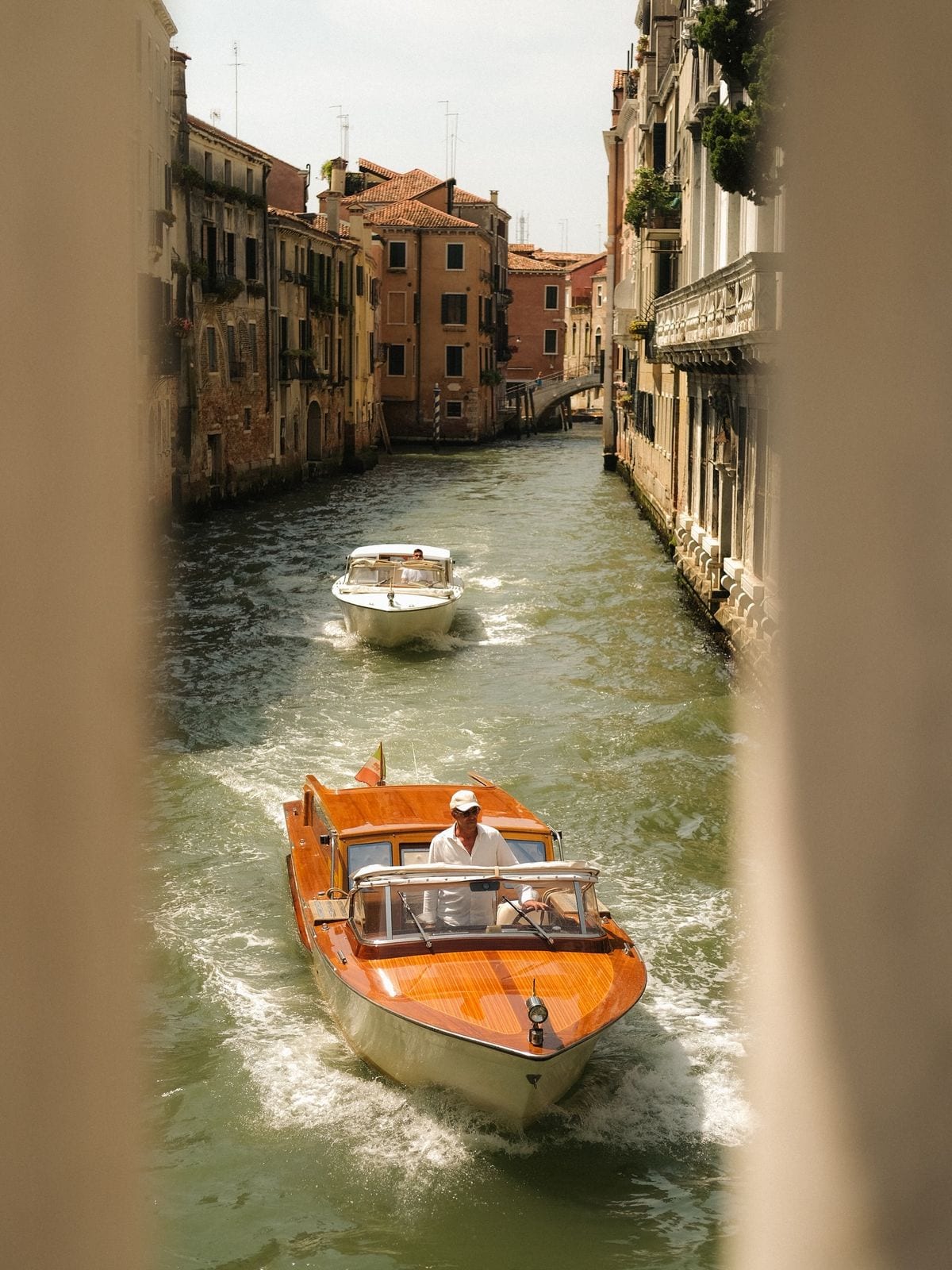
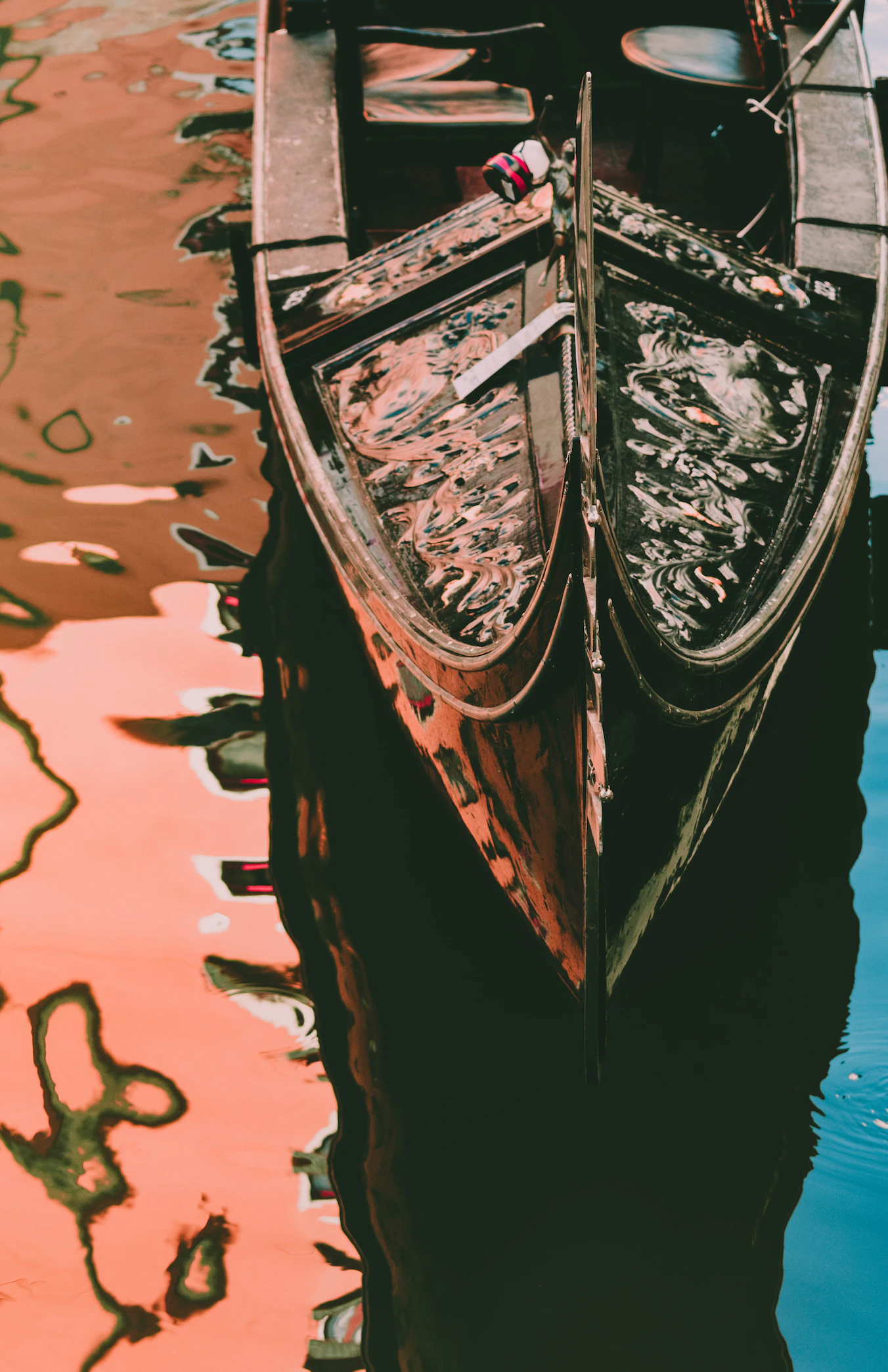
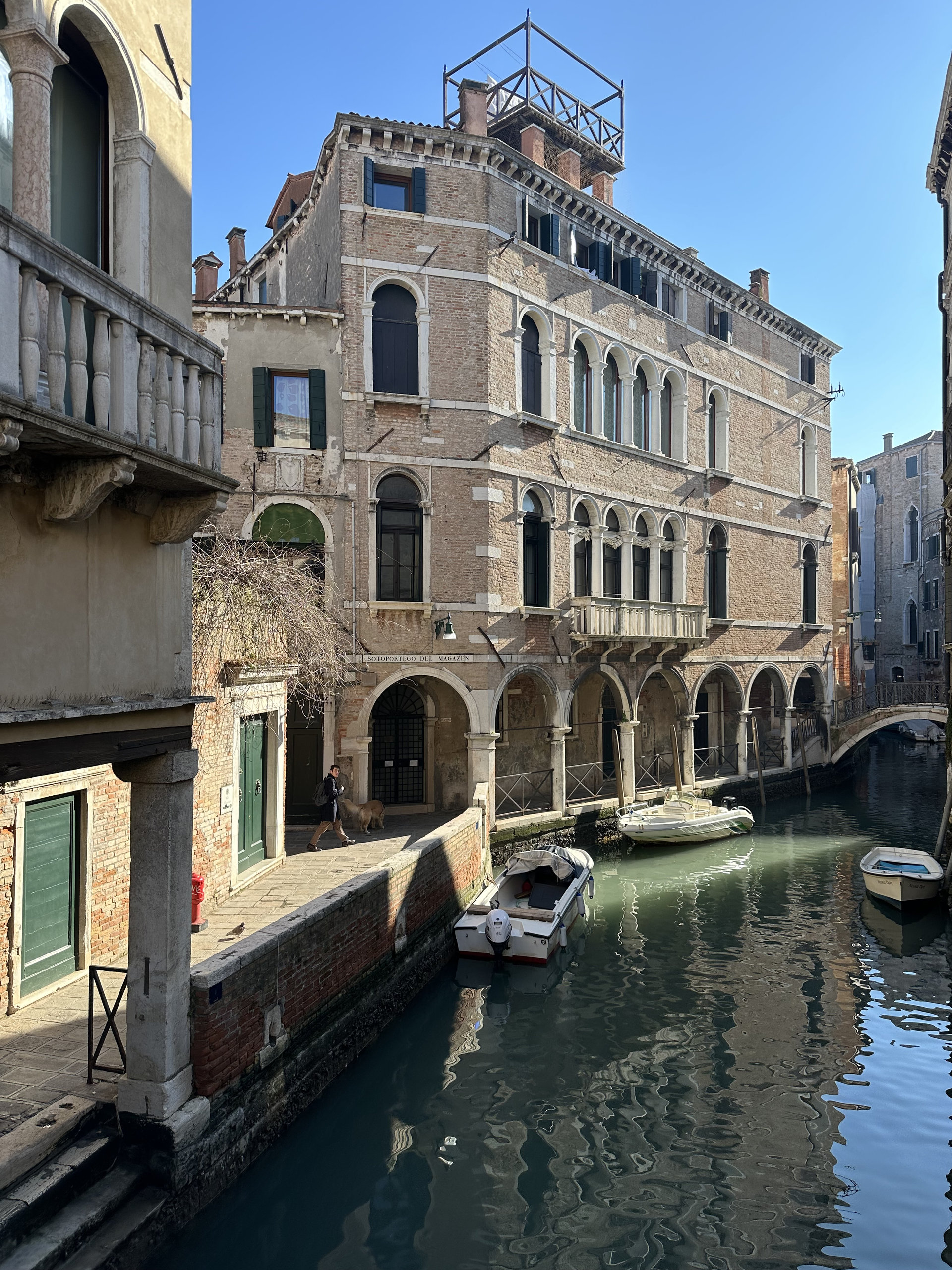
Look down into the canals and you’ll find the city again—reborn in trembling light. Venice appears twice: once in stone, anchored and dignified; once in water, fluid and elusive. Every façade becomes a living canvas, shifting with the slightest movement. A gondola’s wake can redraw an entire palace. A breeze can scatter centuries into fragments of gold and shadow. Reality and reflection entwine so completely that it becomes impossible to tell which is the dream.
In these quiet, luminous moments, Venice is no longer just a destination on a map. It is an atmosphere you step into, a mood that settles into your bones. It feels suspended between earth and sky, between memory and imagination. Here, history is not confined to museums—it breathes in the stones, glows in the windows, and drifts across the water at dawn. Venice becomes what it has always promised to be: a living work of art, forever dissolving and reforming, forever balanced between worlds.