
The World Beyond the Algorithm
An invitation to look beyond algorithms, viral recommendations and standard itineraries, and discover the Italy of local knowledge, unexpected encounters and experiences that cannot be found through a simple online search.
Lately, I have been thinking about boundaries: about the way we approach animals in the wild and the way we approach places when we travel. It may seem obvious that a wild animal should be allowed to remain undisturbed, but that understanding is far from universal. We are often so eager to see an animal up close that admiration quietly becomes interference. We feed it to bring it closer, follow it for a better photograph, or enter its habitat in search of a more memorable encounter, without always recognising the stress or disruption we are causing. Yet a wild animal has its own life, rhythm, and space, all of which exist independently of our desire to observe it. Being able to see it does not make us entitled to approach it.
And yet, when we travel, we often forget to extend the same understanding to places. We arrive in a town, a village, a mountain valley, a beach, or a neighbourhood and unconsciously assume that, because we have travelled there, the place should accommodate us. We want to experience it fully — and we should — but perhaps we need to rethink what fully means. Experiencing a place is not the same as consuming it.
The place beyond the picture
The algorithm has become remarkably good at showing us the world before we ever arrive. It knows which beach will make us stop scrolling, which village will make us want to book a flight, which restaurant will look beautiful on camera, and which mountain viewpoint will give us the perfect sunrise. There is nothing inherently wrong with being inspired by an image. Travel often begins with a picture, a story, a recommendation, or a desire we cannot yet explain.
The trouble begins when the image becomes an expectation — when we arrive somewhere and unconsciously ask the place to reproduce what we saw on our screen: the empty street, the perfect light, the quiet café, the untouched landscape, the “authentic” experience. But places are not images. They are alive, complicated, imperfect, and inhabited. They have weather, traffic, construction, noise, and ordinary Tuesdays. People live there. Animals live there. Businesses depend on it. Children go to school there.
And that may be precisely why it is worth traveling.
A place is not a performance
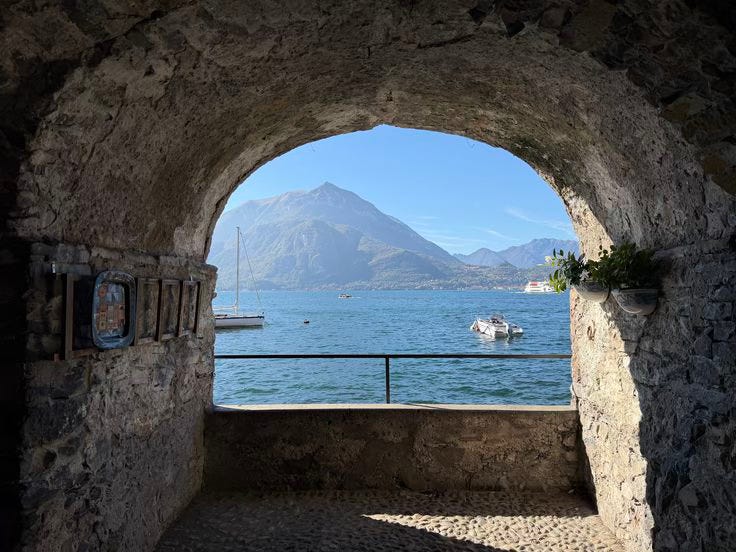
I do not believe that respecting a place means keeping our distance from it. Travel should be physical: we should walk its streets, eat its food, swim in its rivers and seas where appropriate, visit markets, talk to people, get lost, spend money locally, sit in cafés, and take the long way. Otherwise, what is the point of traveling? But there is a difference between participating in a place and taking it over, and perhaps that difference is becoming harder to see.
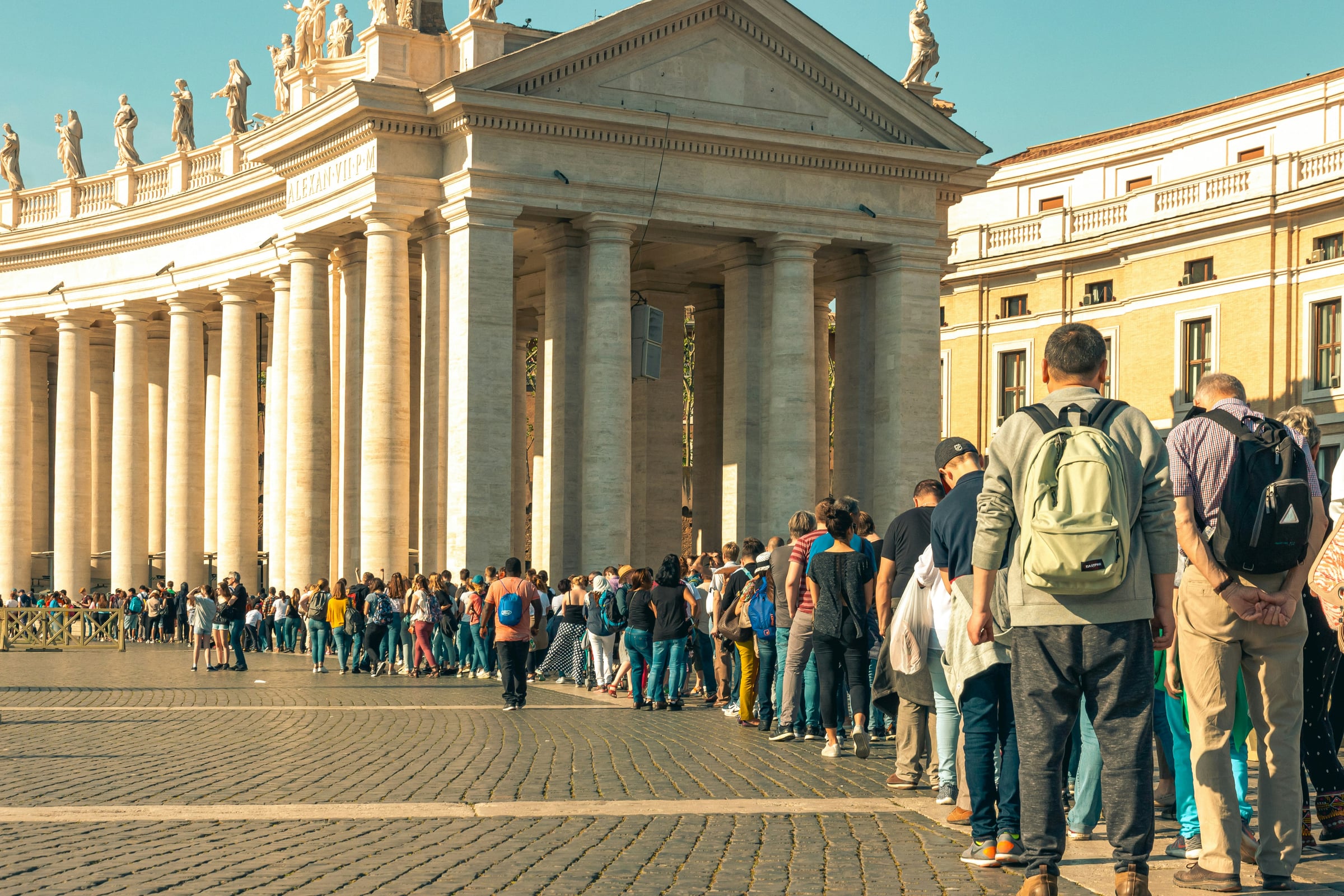
When thousands of people arrive looking for the same restaurant, the same street, or the same viewpoint because an algorithm told them it was the place to be, something changes. Not only because there are too many people, but because everyone arrives looking for the same version of the place. We stop discovering and start reproducing: we follow the itinerary of strangers, stand where they stood, take the photograph they took, order what they ordered, and then move on to the next location. We have traveled a long way, only to follow a digital trail.
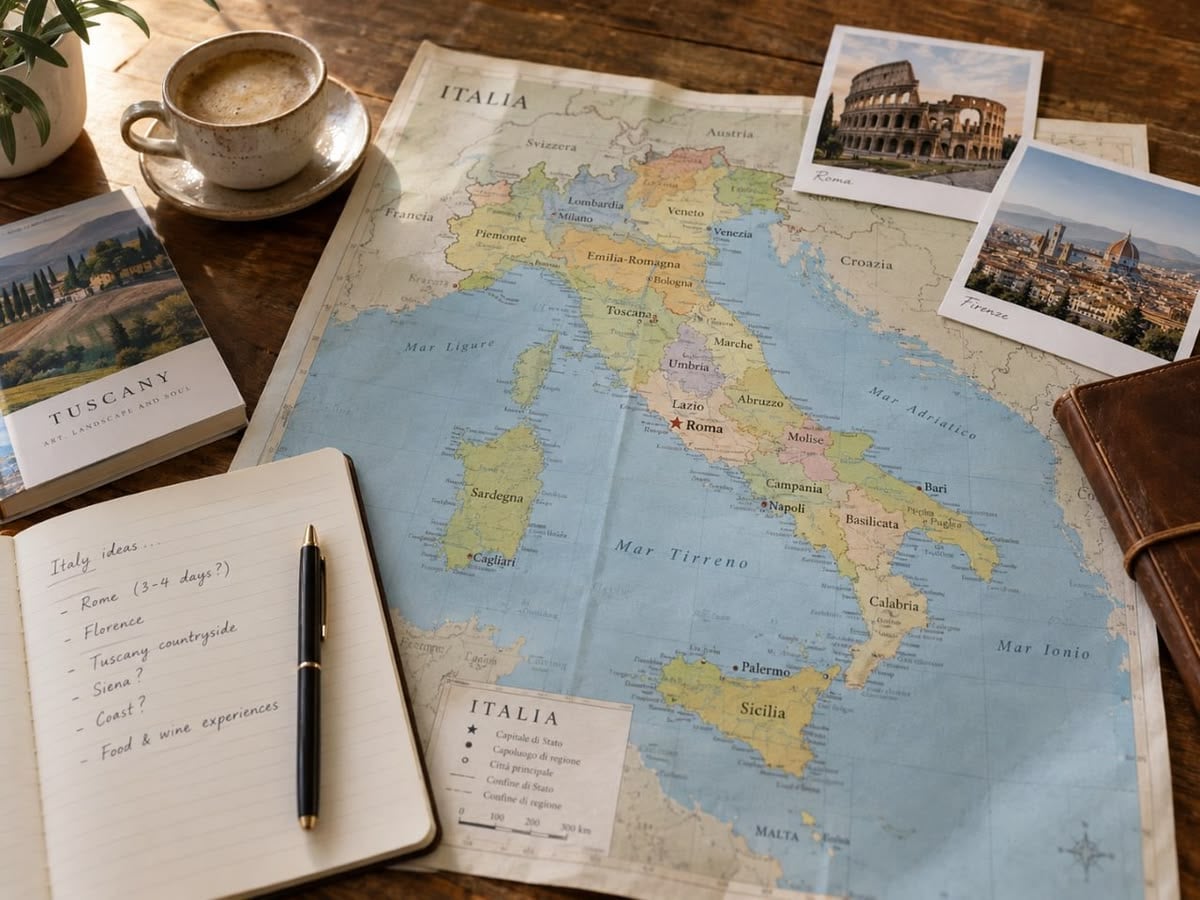
In my work at Zest, I help design private journeys through Italy. Much of that work is about making travel feel seamless: finding the right pace, the right guide, the right connection between places, and the right experience for the people travelling. But a journey should not become so perfectly controlled that the place itself disappears. The role of a travel designer is not only to make a destination easier to reach; it is also to help people enter it with curiosity, context, and the freedom to encounter something they did not expect.
Private travel can create space for depth and flexibility, but it does not give us private ownership of the place. A carefully designed itinerary should open a door, not close the world around us.
Respect begins where entitlement ends
Perhaps responsible travel is not really a list of rules. It begins with a mindset: the understanding that being a visitor is a privilege. A beautiful village does not owe us an empty street; a local restaurant does not owe us the experience we saw on TikTok; a mountain does not owe us good weather; a beach does not owe us a perfect sunset; and a wild animal certainly does not owe us a photograph.
This does not mean we should not visit. It means we should arrive differently — with curiosity rather than entitlement, with flexibility rather than expectation, and with enough humility to accept that the place we encounter may be different from the place we imagined.
What respect looks like in practice
Sometimes respect is very simple. It means leaving no rubbish behind, not climbing where we are not supposed to, not feeding wildlife, not entering private places, and not assuming that every beautiful corner is ours to occupy. It means choosing local businesses when we can, learning a few words of the language, understanding local customs, and traveling outside the busiest moments when possible.
And perhaps most importantly, it means paying attention. We should look at what is actually happening, rather than only searching for what we came to see. When we pay attention, we begin to understand that a place is much more than its attractions. A town is not only its cathedral, a mountain is not only its viewpoint, a village is not only its Instagrammable street, and a beach is not only its turquoise water. They are also everything that happens around those things: the lives that continue when visitors leave.
Responsible travel asks us to make room for the ordinary. To buy from the small shop because it is there, not because it was listed. To allow a meal to take longer. To let a place reveal itself through ordinary, unplanned moments, rather than expecting every encounter to become part of the experience we came to collect. To be present without constantly turning presence into proof.
Let the place change your expectations
Maybe the best travel experiences happen when a carefully designed journey allows reality to add something no algorithm can predict. It may be a guide’s perspective that changes the way we see a familiar monument, the changing light that reveals another side of a landscape, a carefully chosen meal that becomes a lasting memory, or a moment of stillness that stays with us long after the journey is over.
These moments are valuable because they belong to us. They were not designed to perform well online, and they were not selected by an algorithm. They are discoveries, and perhaps discovery is one of the things we risk losing when every journey is planned through other people’s images.
A carefully designed journey can still leave room for this. Good planning does not have to eliminate spontaneity; it can create the conditions for it. Knowing when to slow down, what not to crowd into a day, which road to take, and when to let a place speak for itself is part of travelling thoughtfully.
The questions before we travel
I do not think the answer is to stop travelling, nor to stop sharing, nor to romanticise an imaginary past when tourism was somehow pure. The world has always been travelled, photographed, and changed by people. But perhaps we can become more conscious of how we enter it.
Before travelling somewhere, perhaps we should ask two questions: What do I want to experience? But the second might be more important: How can I experience it without diminishing it? The first gives a trip its shape. The second gives it its character.
That question changes the way we travel. It reminds us that the place has its own life, that our visit is temporary, and that we are guests. It also releases us from the pressure to capture everything. We do not have to prove that we were there by recreating someone else’s photograph, and we do not have to turn every landscape into content or every moment into a story for someone else.
The goal is not to leave our mark everywhere we go. Maybe the goal is to leave as little damage as possible — and to leave ourselves changed instead.
Because beyond the algorithm, there is a world that does not exist for our consumption. It is not perfectly framed, not always beautiful, and not always convenient. It does not always look like the video. But it is real and authentic.
And perhaps the greatest privilege of travelling is not finding a place exactly as we imagined it. It is discovering what was there all along — and allowing it to change us, rather than asking it to change for us.
An algorithm is very good at showing us what many people have already chosen. It is much less capable of understanding why a place might be right for one traveller and completely wrong for another.
It does not know that a supposedly secondary town may be perfect for someone interested in architecture, but disappointing for a traveller looking for lively evenings. It cannot understand that the best restaurant is sometimes the one that fits the rhythm of the day, not the one with the longest waiting list. And it cannot decide whether an experience will feel meaningful or simply impressive on paper.
Good travel design begins where automatic recommendations stop. It takes into account timing, energy, interests, expectations and the relationship between one place and the next. It is not about finding the most unusual option at any cost, but about recognizing the right option for that particular journey.
Italy does not need to be made more complicated to become more interesting. Sometimes it simply needs to be read with greater attention.
That is what exists beyond the algorithm: not a secret version of Italy, but a more considered way of experiencing the country.
TikTok has changed the way destinations are discovered. A restaurant, beach or village can become a global trend almost overnight, and once something goes viral, thousands of people are encouraged to reproduce the same experience in exactly the same way. The result is not only overcrowding, but a gradual loss of context: places are consumed as content rather than understood as living environments.
Stepping away from this constant digital bombardment does not mean rejecting technology. It means balancing it with another kind of knowledge. Local experts, accredited professionals and people with a genuine connection to the territory can offer something an algorithm cannot: judgement. They know when a viral recommendation is genuinely worthwhile, when it is no longer sustainable, and where to redirect travellers towards an experience that is more appropriate, meaningful and respectful of the place.
In this sense, local knowledge is not an alternative to discovery. It is what allows discovery to become more thoughtful.