
The Piedmont Experience
Five things you can’t miss in Piedmont.
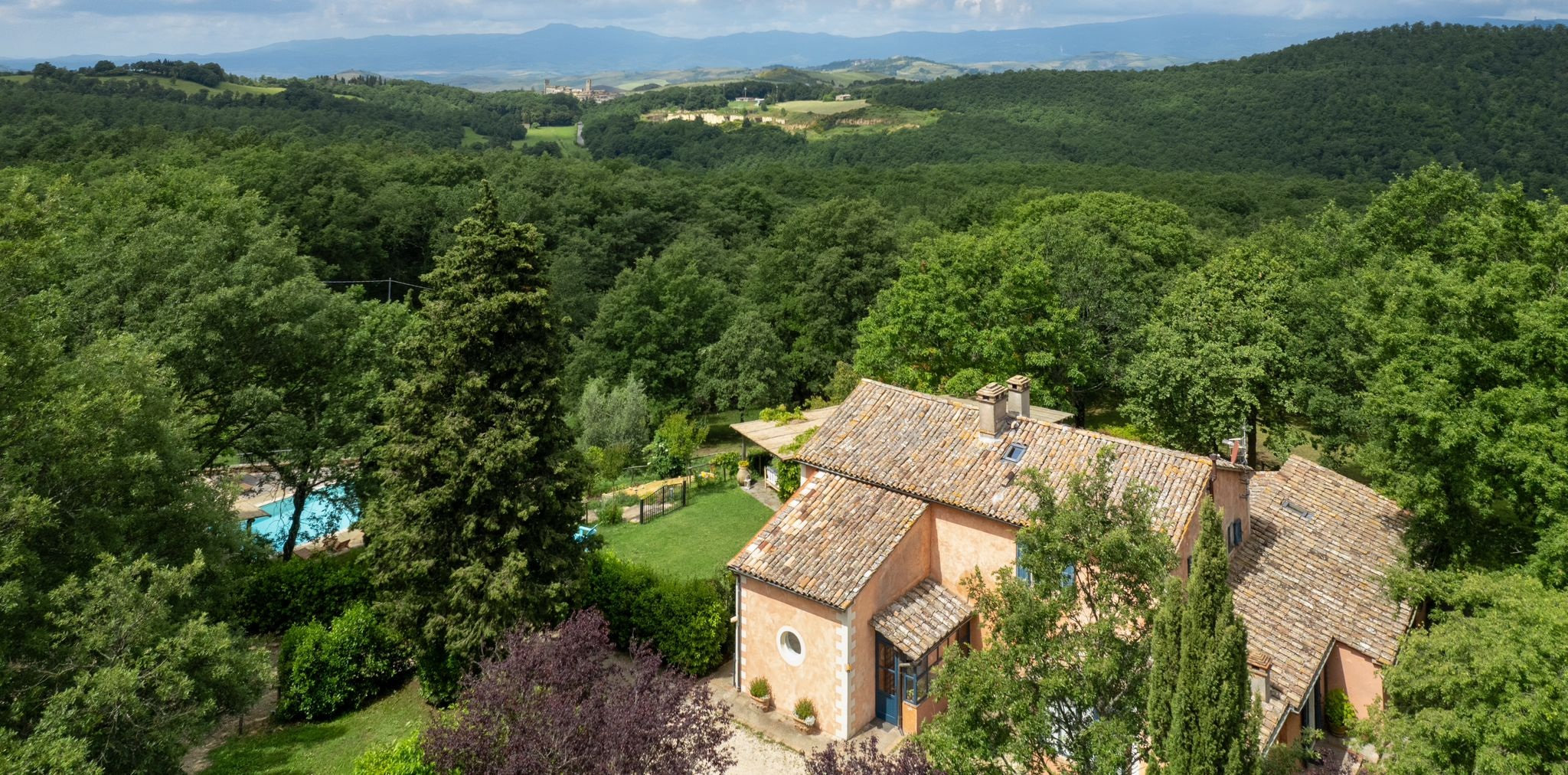
Piedmont is a region of great intercultural exchange, bordering Switzerland, France and sharing the Alps also with Valle D’Aosta. Cultural, linguistic, and culinary crossings are unavoidable, and they provide a source of riches for the region, making it even more interesting. While discovering the area's vibrant cultural past, you can go skiing or climbing in the peninsula's tallest mountains (Monviso and Monte Rosa), tour hills famed for superb wines, as well as the Isole Borromee and the most known lakes: Lago Maggiore and Lago D’Orta.
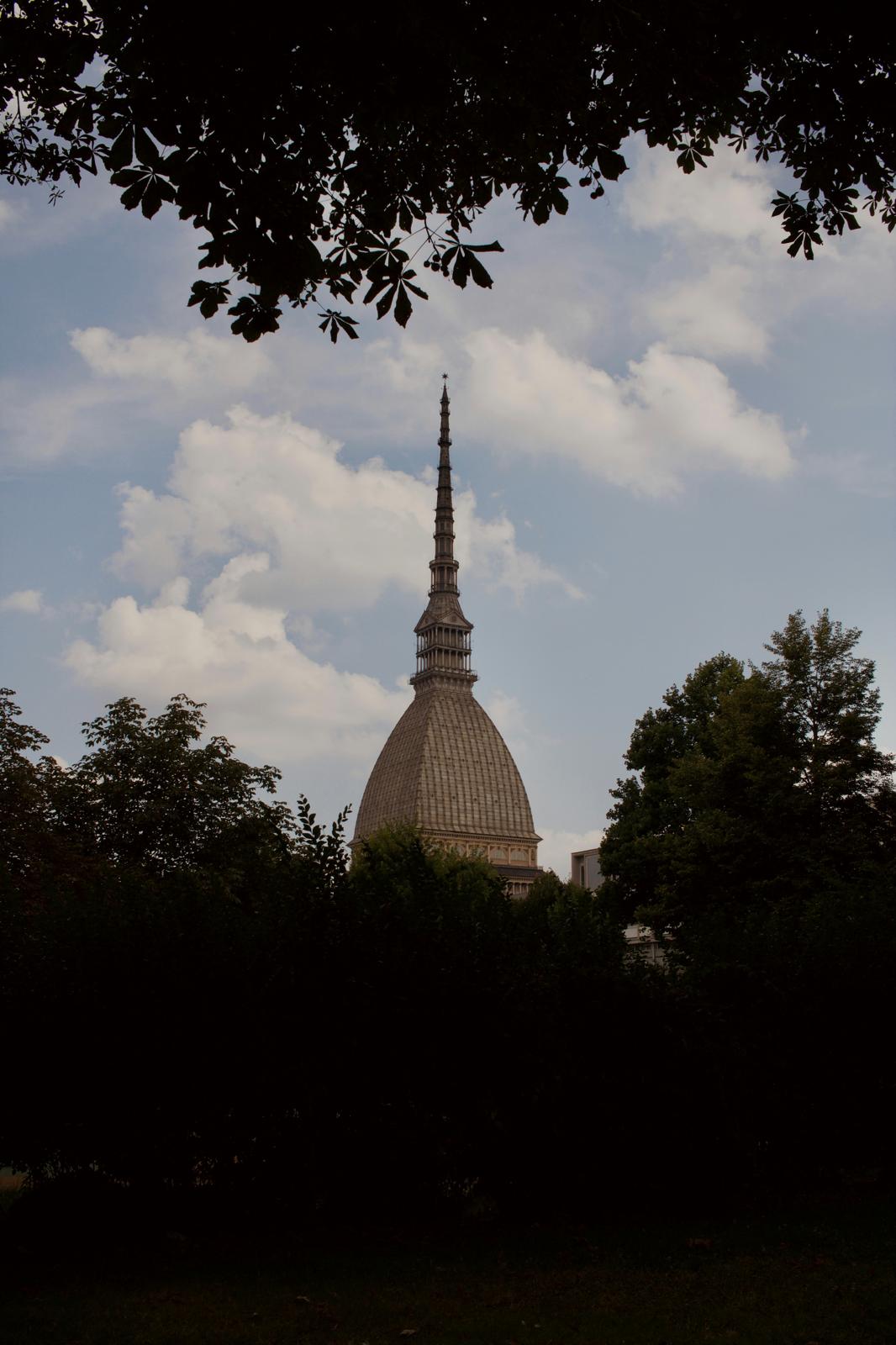
One of the most prominent features of Piedmont is undoubtedly its city Turin, which boasts an abundance of museums, squares, cathedrals, cafes, historical sites, artworks, and more. Turin has something for everyone, from the Mole Antonelliana to the Egyptian Museum, the Chapel of the Holy Shroud, the Royal Palace, and the Medieval Borgo del Valentino.
Imposing, magnificent, and regal, the Savoy house in the hamlet of Venaria Reale, just a few kilometers from Turin, is unquestionably one of Piedmont's top attractions. You will be impressed by its majestic rooms, the wonderful backdrop of the Juvarrian stables, the temporary exhibitions, the Garden of Flowers and Roses, and the grove area.
The Hunting House of Stupinigi, located in the homonymous town near Turin, is a magnificent work by Filippo Juvarra, whose construction began in 1729 at the behest of Vittorio Amedeo II di Savoia. The oval hall with frescoes depicting hunting scenes, elegant furnishings, paintings, and the garden are must-sees. Among the Savoy residences, that of the Racconigi Royal Castle is certainly one of the most beloved. The diversity of the landscapes and the majesty of the park make each discovery of this place unique and full of surprises.
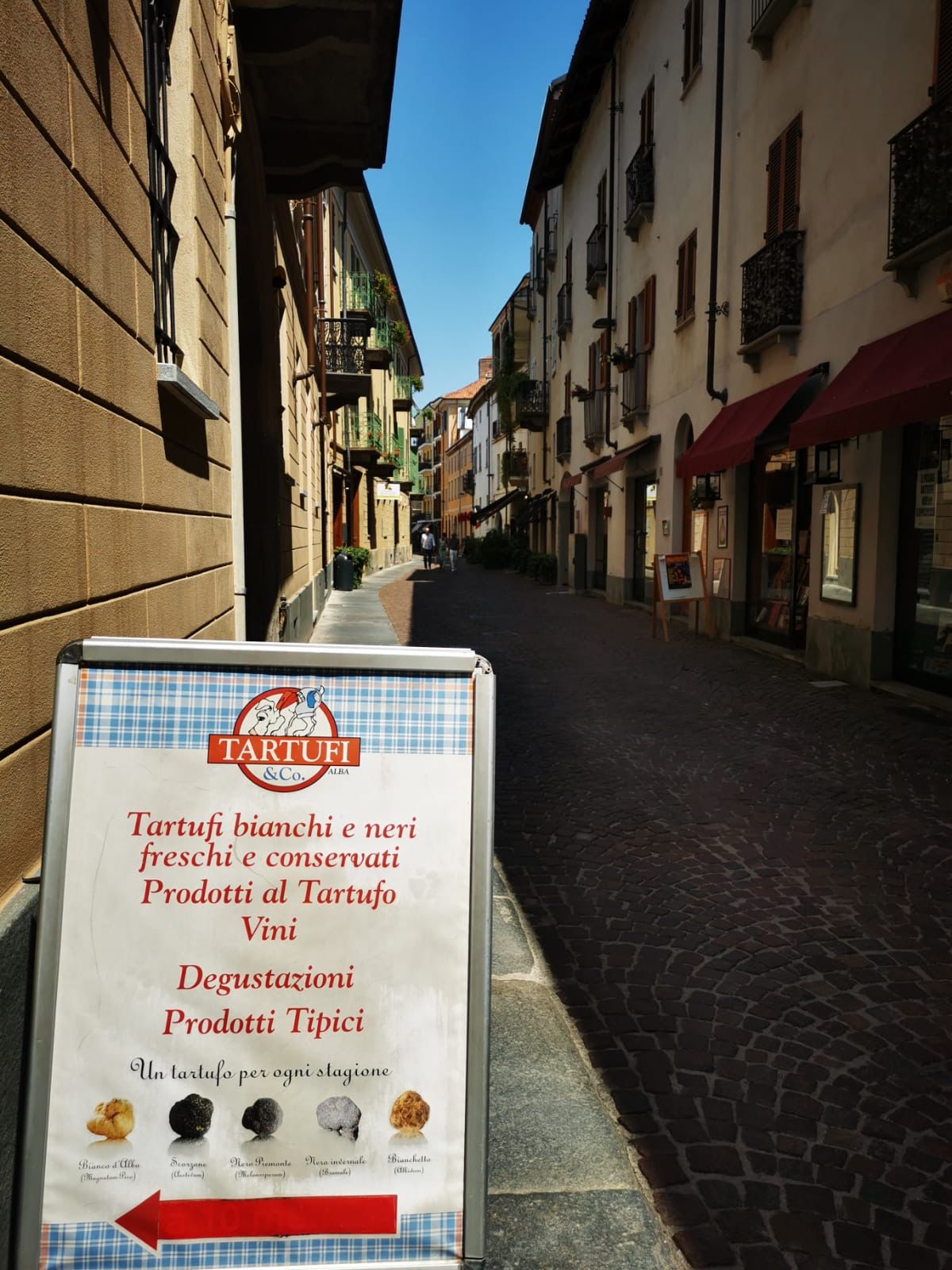
It is unthinkable not to savour Piedmont's delectable cuisine, if you happen to be in the region. Cheeses like robiola and tomino,polenta, risotto, agnolotti del plin (a rectangular type of ravioli), vitel tonné (of French influence) a boiled veal paired with a tuna sauce, bagna cauda (hot sauce with seasonal vegetables), truffles, hazelnuts, baci di dama (hazelnut cookies with chocolate in the center) etc. On top of that, vermouth and wines deserve a special recognition.
The Vermouth, sometimes known as the Vermut, was created in 1786 in a tiny Turin workshop as the result of the fortunate combination of wine and an infusion of herbs and roots, thanks to the experimentation and intuition of herbalist Antonio Carpano. You can taste it alone as a dessert wine or mixed in a good cocktail like the Americano, the Martini, the Manhattan, the Negroni and the Negroni Sbagliato.
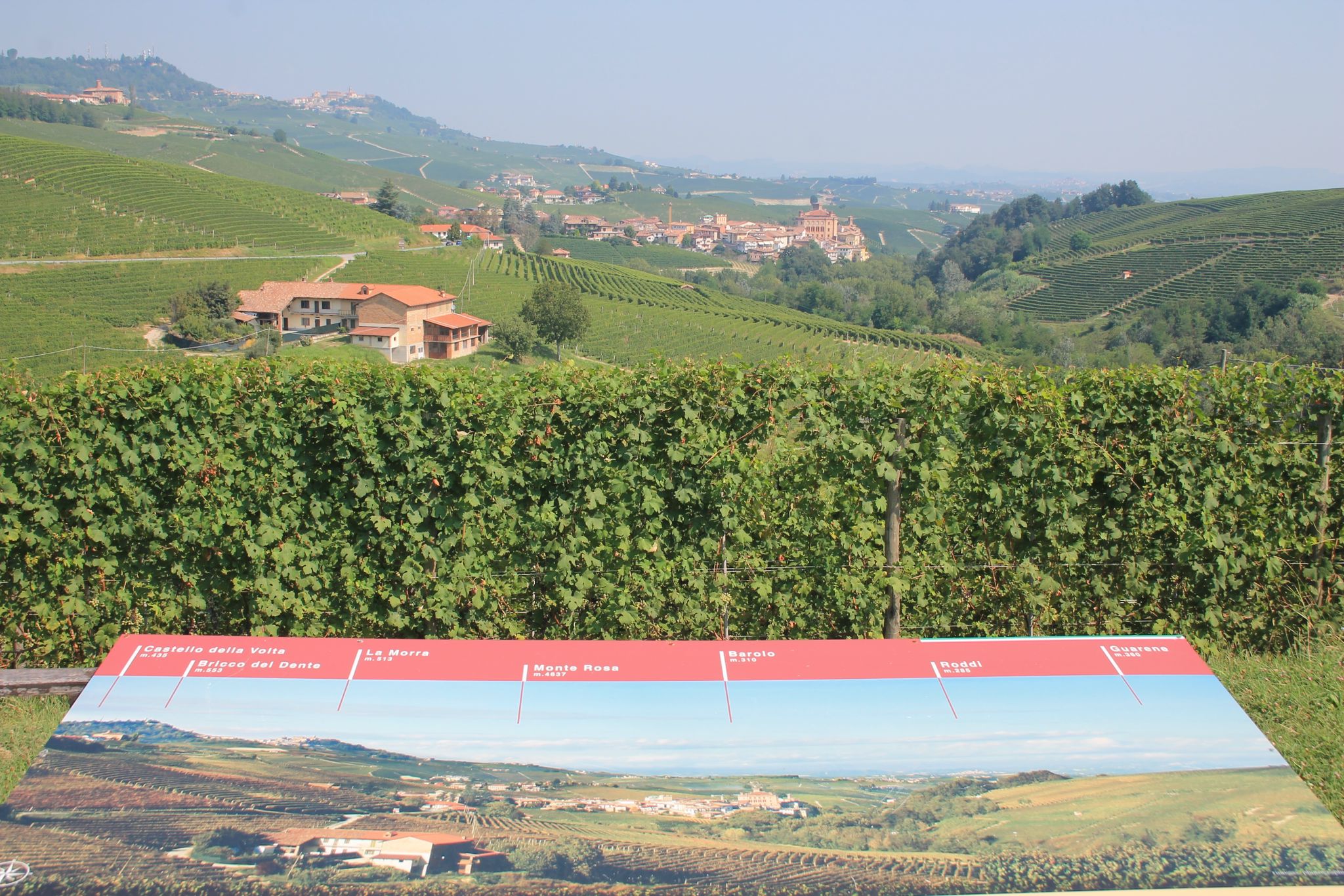
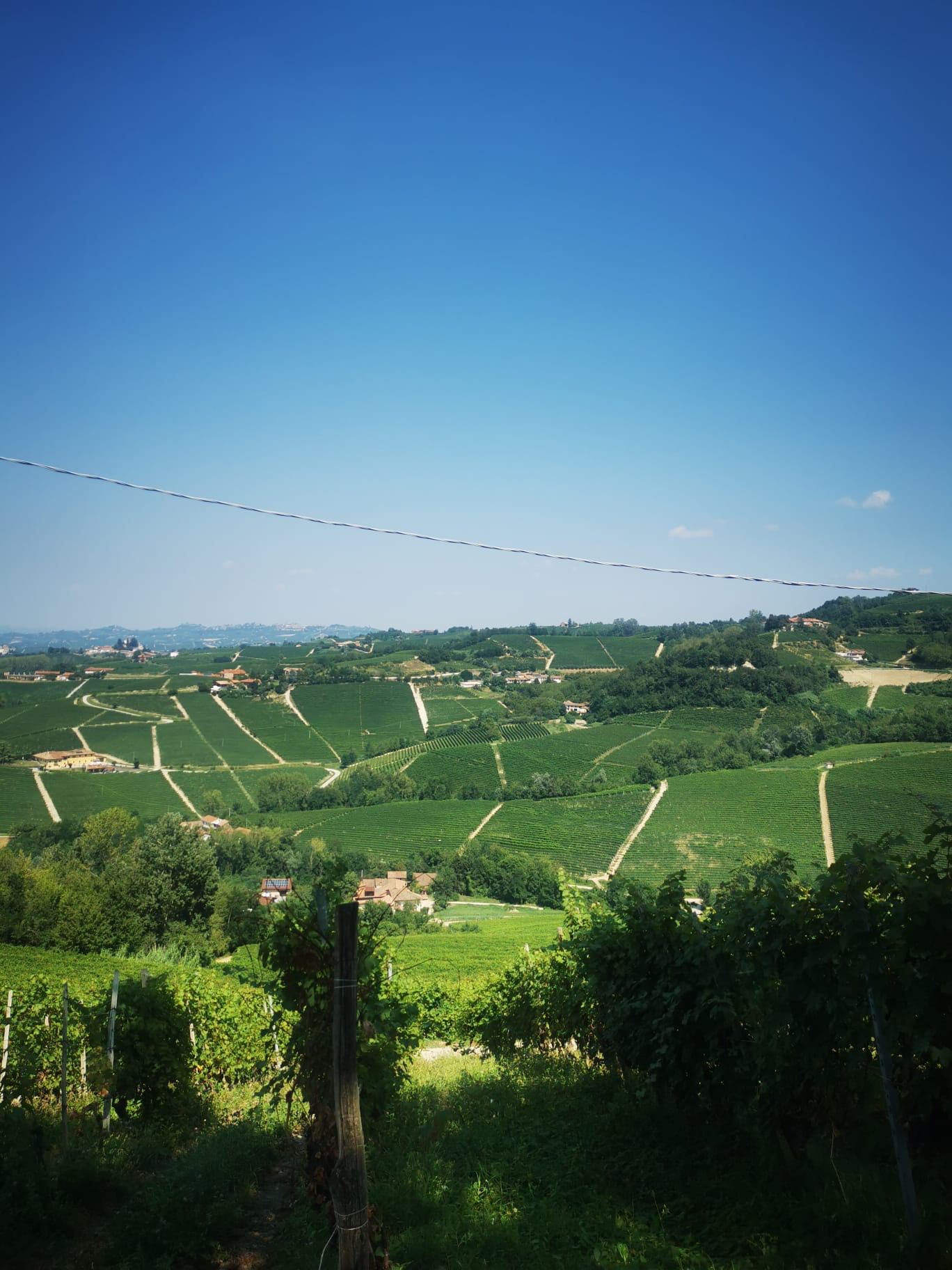
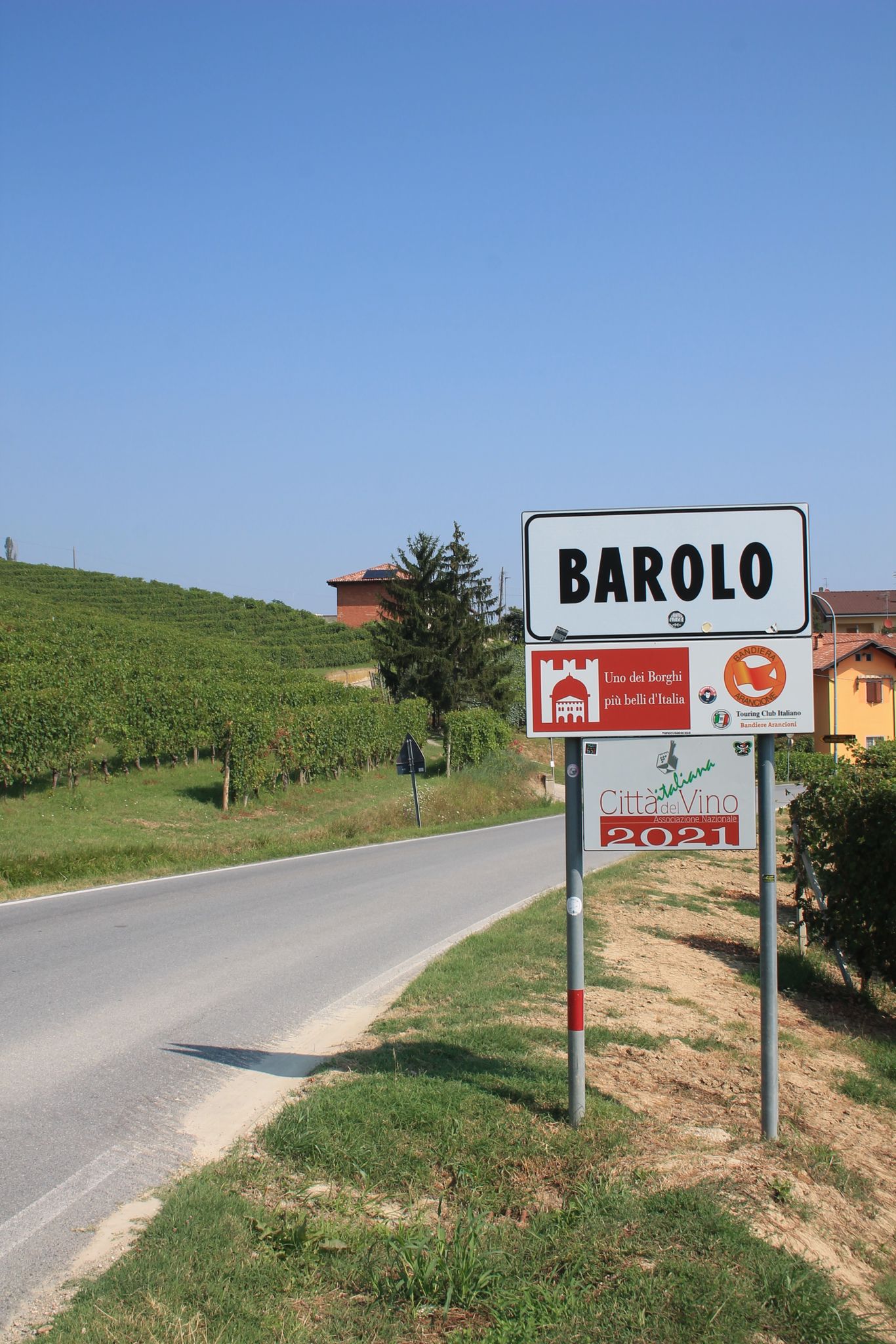
Piedmont produces also superb wines providing an incomparable spectacle with its incredible steep landscapes. Langhe and Monferrato have been designated as UNESCO territories for several years, ensuring their protection and preservation. The favorable environment of these locations allows visitors to appreciate the view of the unending rows that produce the famous Italian wines: Dolcetto, Nebbiolo, Barbera, Barbaresco, and the uncontested lord, Barolo, alongside with Moscato and sparkling wines. The Langhe, Monferrato and Roero territories are dotted with vineyards and wineries where you may enjoy exquisite wine tastings.
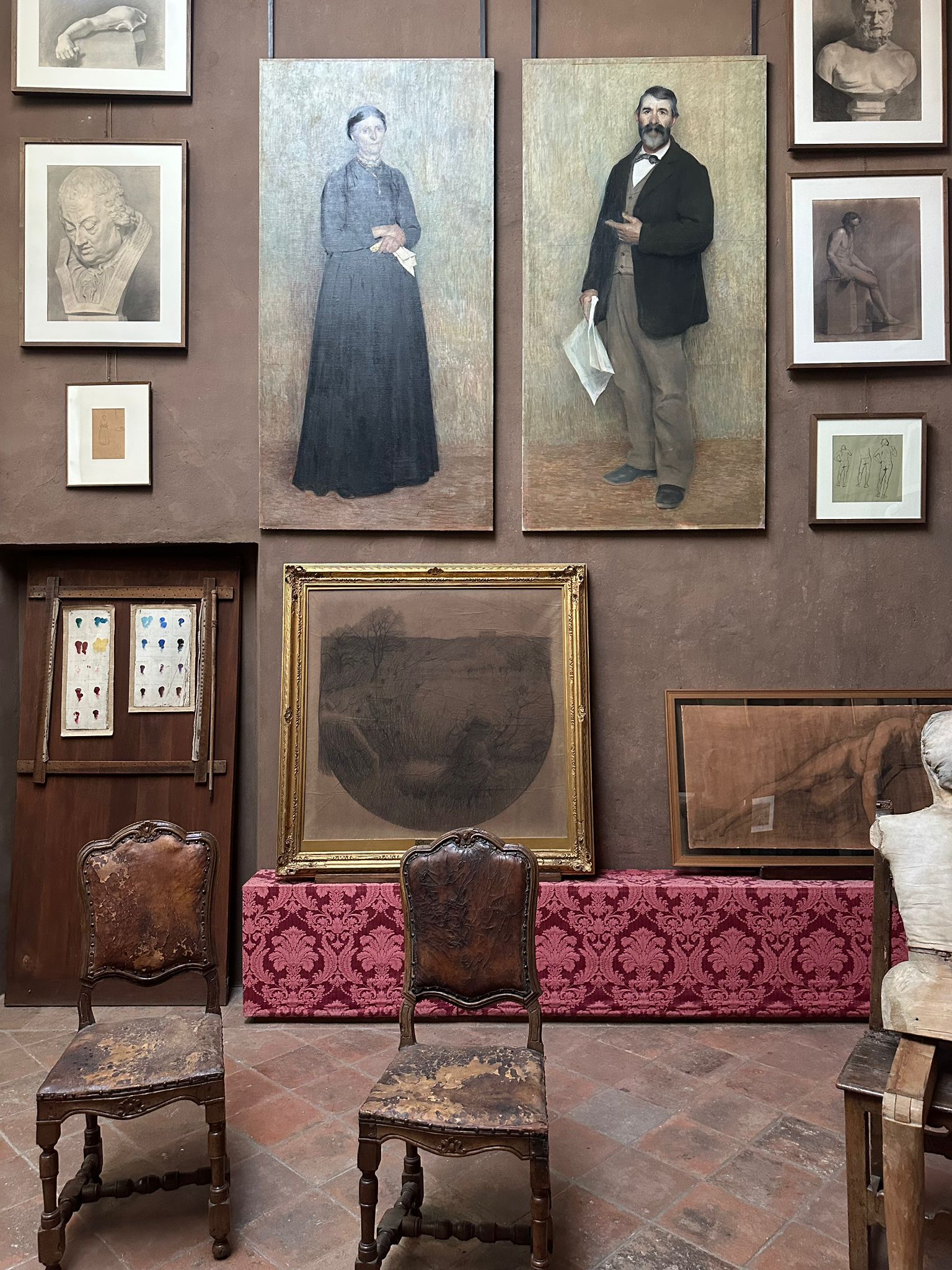
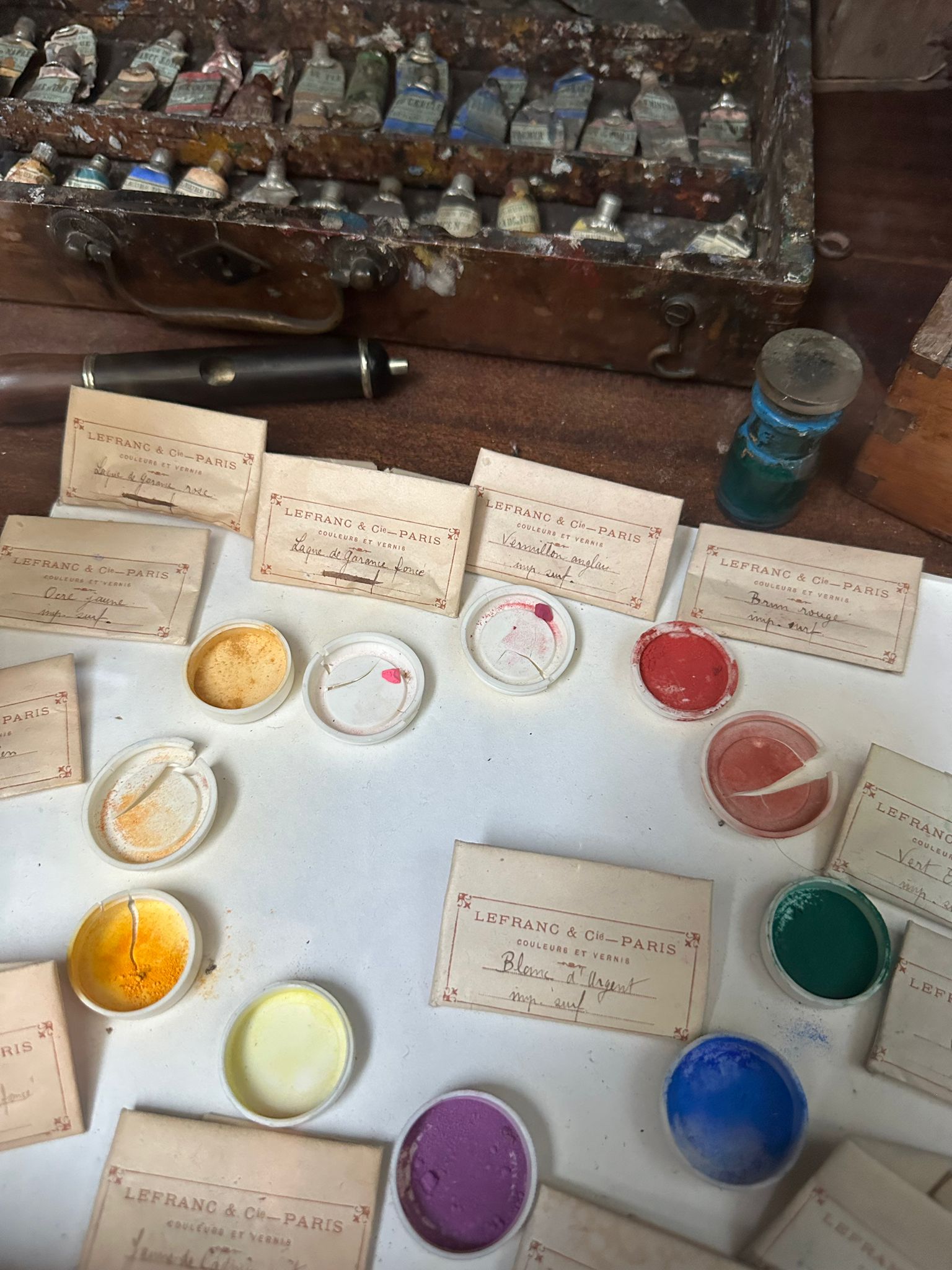
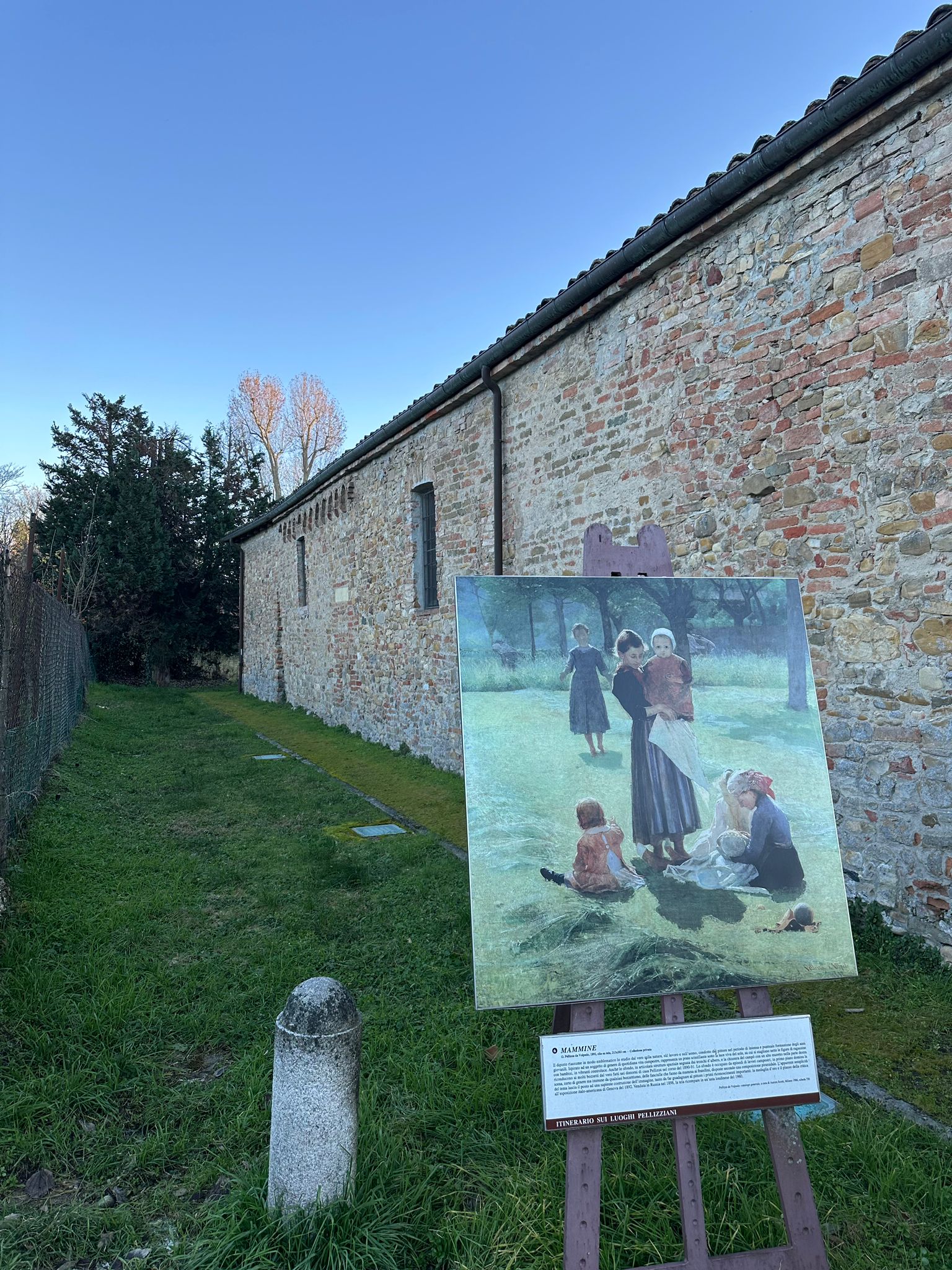
The town of Volpedo in the Curone Valley (Monferrato) also deserves a special mention. The town is the birthplace of the famous divisionist painter Giuseppe Pellizza, who painted the “Fourth Estate” (Il Quarto Stato). Here you can visit his original studio, which was restored in the 90s and a museum in his honor. The town has also gained popularity thanks to the recent documentary film Pellizza pittore da Volpedo by Francesco Fei, which premiered at the Rome Film Festival last October 2024. Through a sophisticated use of frames influenced by the colors of his works, the documentary film explores his living spaces and artistic sensitivity under the guidance of actor Fabrizio Bentivoglio, who serves as a narrative consciousness.This allows the viewer to discern the artist's feelings and his perception of reality. The tragic end of Pellizza, who took his own life in 1907 overwhelmed by grief for the loss of his wife, is part of this story and makes the emotional connection with the viewer even deeper. The 30 founding members of the Pellizza da Volpedo Association are dedicated to preserving the painter's legacy. Theirs is an incredibly loving and challenging story. A story that educates us to beauty and beauty is contagious. Following a visit to the town, we also suggest the Art Gallery of Divisionists (Pinacoteca Divisionismo) in the nearby Tortona, which houses some of the painter's works as well as those of other famous divisionist painters.