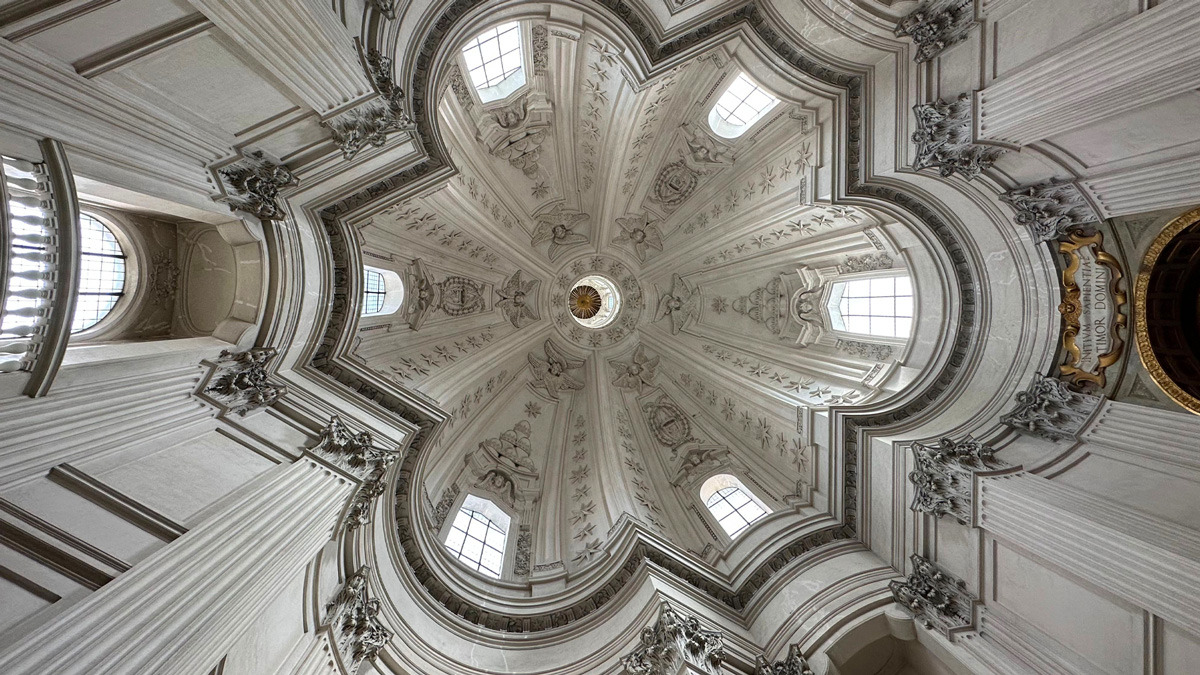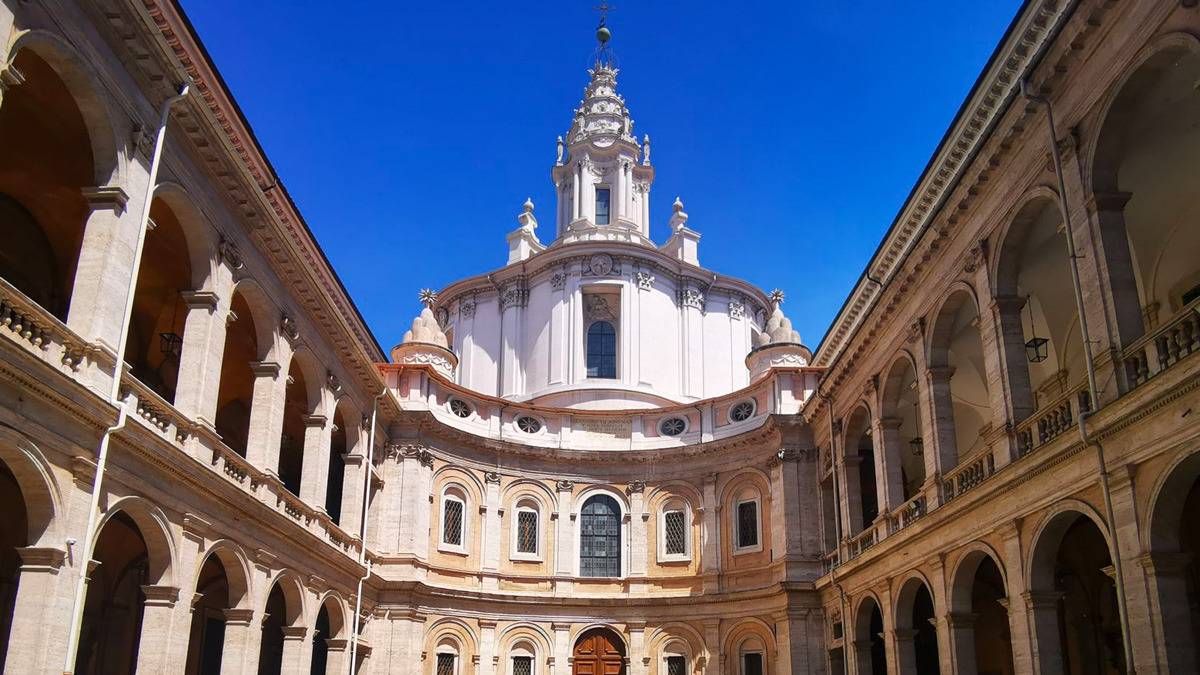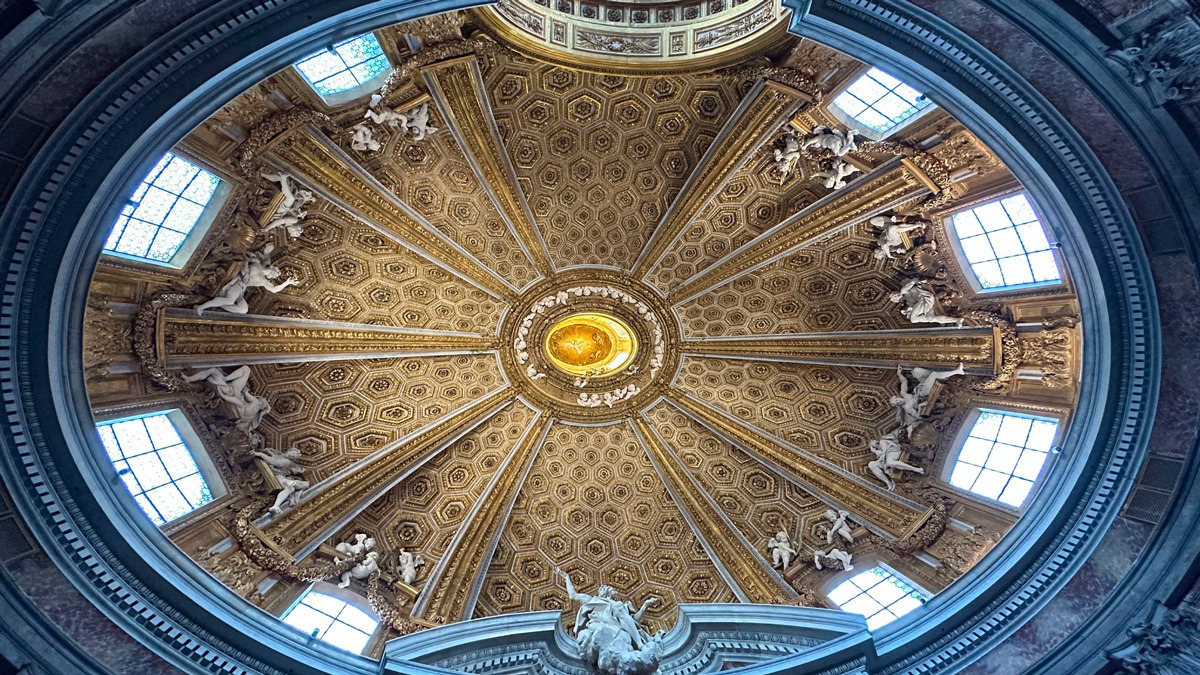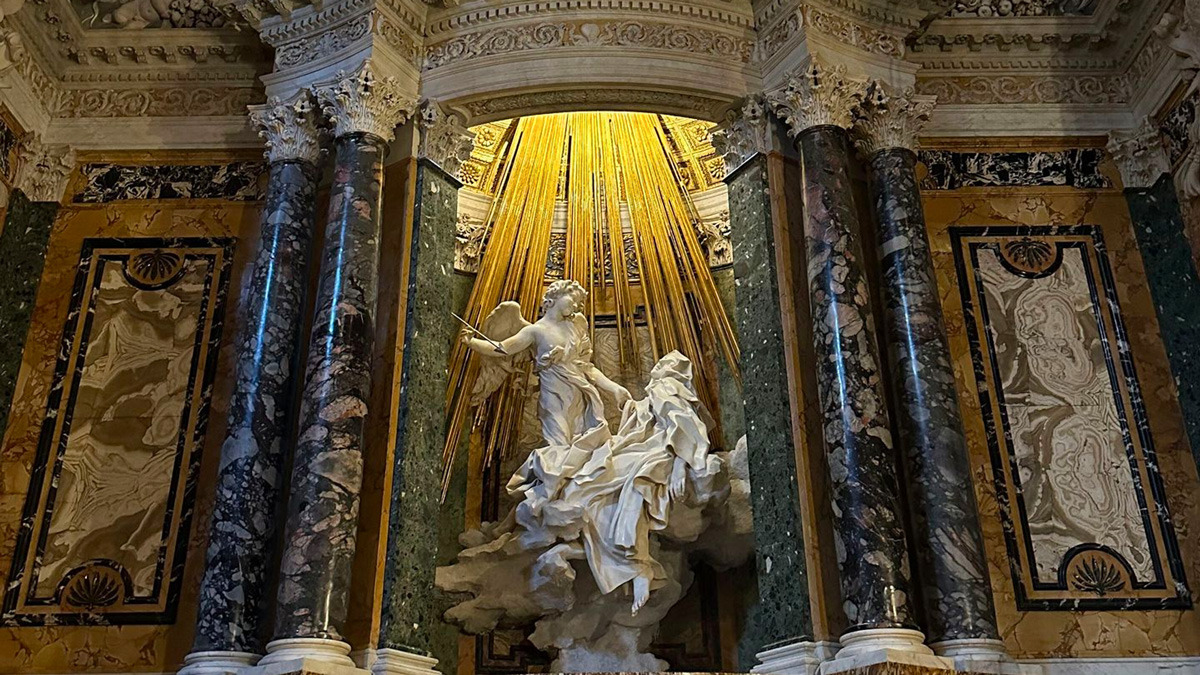

In the heart of 17th-century Rome, during the blazing, theatrical age of the Baroque, Gian Lorenzo Bernini and Francesco Borromini stood as absolute masters of the Seicento.
Both brilliant. Both visionary. Both impossible to ignore. But alike? Never.
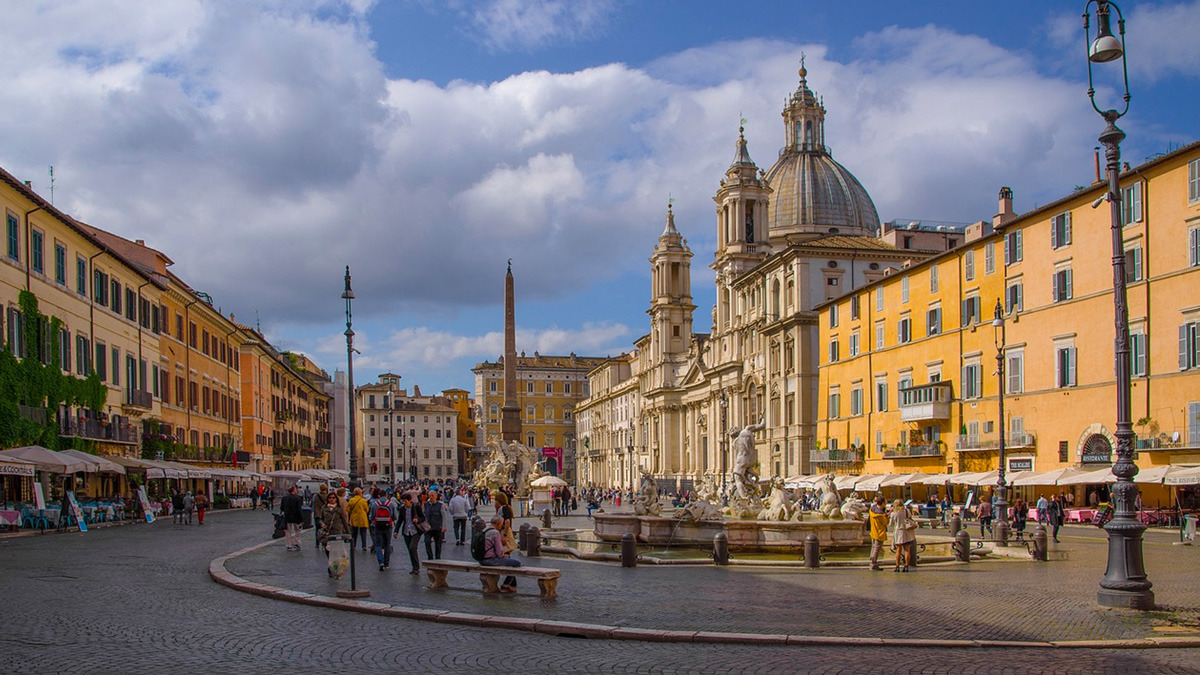
Bernini was sunlight — extroverted, magnetic, the undisputed favorite of popes like Pope Urban VIII. He moved effortlessly between sculpture, architecture, theater, and urban design. He didn’t just create art — he staged emotion. Marble blushed beneath his chisel. Drapery trembled. Faces breathed. He understood power, spectacle, persuasion. He knew how to turn stone into propaganda and devotion into drama.
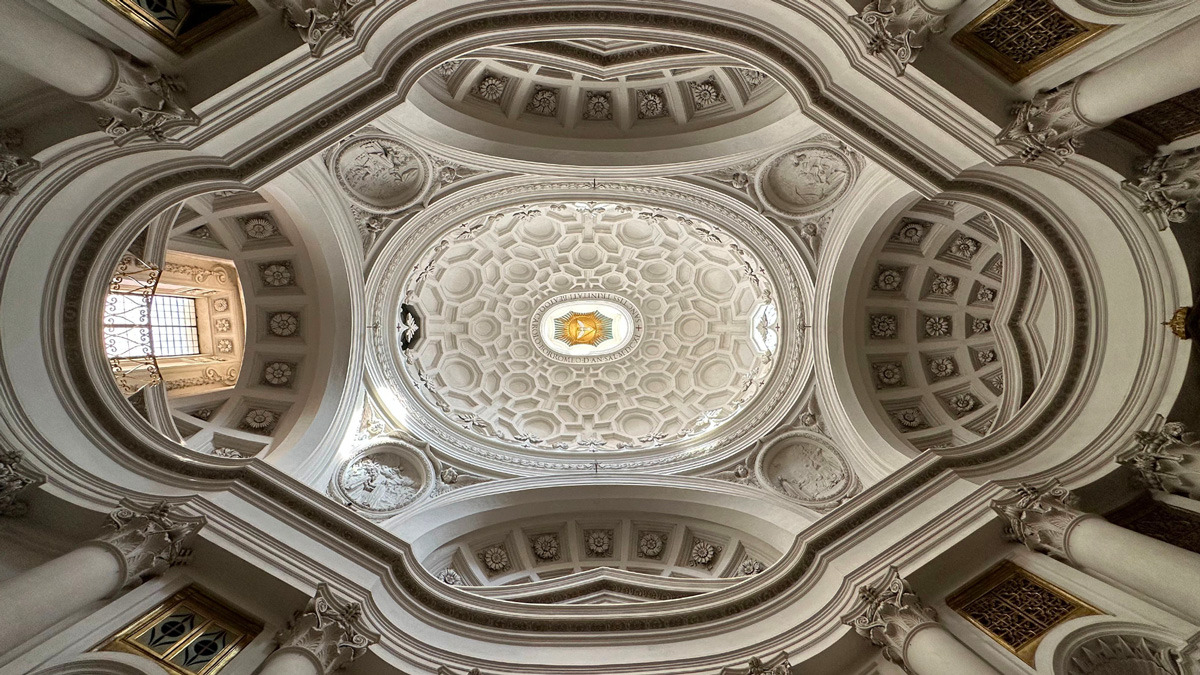
Borromini was lightning — intense, uncompromising, restless. Where Bernini seduced, Borromini provoked. Where Bernini embraced classical harmony, Borromini fractured it and rebuilt it into something daringly modern. He distrusted easy beauty. He rejected complacency. Geometry, under his hand, twisted and pulsed; walls curved like living organisms; domes floated on invisible rhythms. He wasn’t interested in applause — he wanted revelation. They worked side by side in the great projects of St. Peter’s, most famously on the Baldacchino. But collaboration masked tension. Bernini’s charisma won admiration and credit. Borromini’s contribution faded into the background. Recognition became rivalry. Admiration turned to resentment. By 1634, the break was definitive. Pride. Ambition. Genius. A combustible mix.
And from that fracture, Rome changed forever.
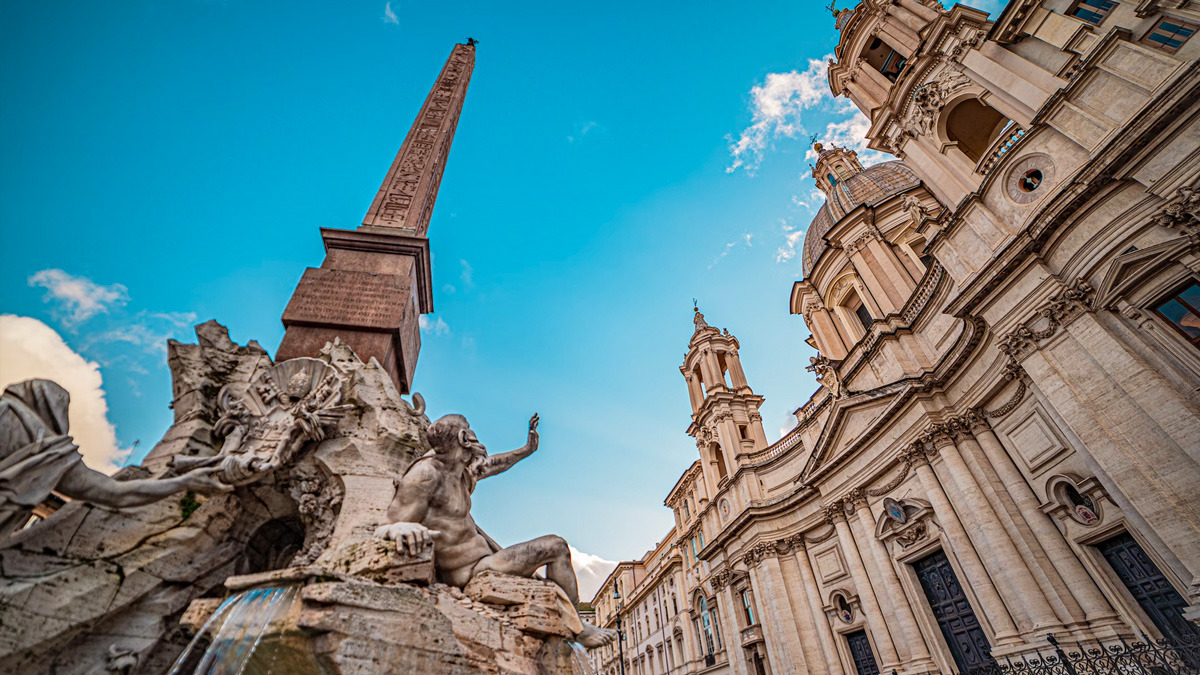
Because once separated, they no longer tempered one another. They competed. They responded. They provoked. Every façade, every chapel, every piazza became an answer — sometimes subtle, sometimes defiant. Their buildings are not isolated monuments; they are arguments in travertine and marble. Dialogues in light and shadow. Challenges thrown across streets and squares.
This tour is not just a walk. It’s a duel in stone. You will feel the contrast not in textbooks, but in space itself — in the way one church embraces you and another unsettles you; in how one façade proclaims triumph while another whispers complexity. You will stand between their visions and sense the tension that electrified an entire city.This is not just art history. It is ambition versus introspection. Spectacle versus structure. Applause versus innovation. The extrovert versus the visionary outsider. Bernini dazzles you — he overwhelms your senses, orchestrates your gaze, commands your emotion. You don’t simply observe his work; you experience it. It moves you before you even understand why. Borromini challenges you — he asks you to look twice, to question proportion, to notice the unexpected curve, the restless surface, the geometry that refuses to sit still. His architecture is not comfortable. It is alive. Rome is their stage. Its streets are their battleground. Its churches are their manifestos. And you are about to witness one of the most powerful artistic rivalries ever lived — not told through anecdotes, but carved into the very fabric of the city. Don’t just visit. Choose your master.