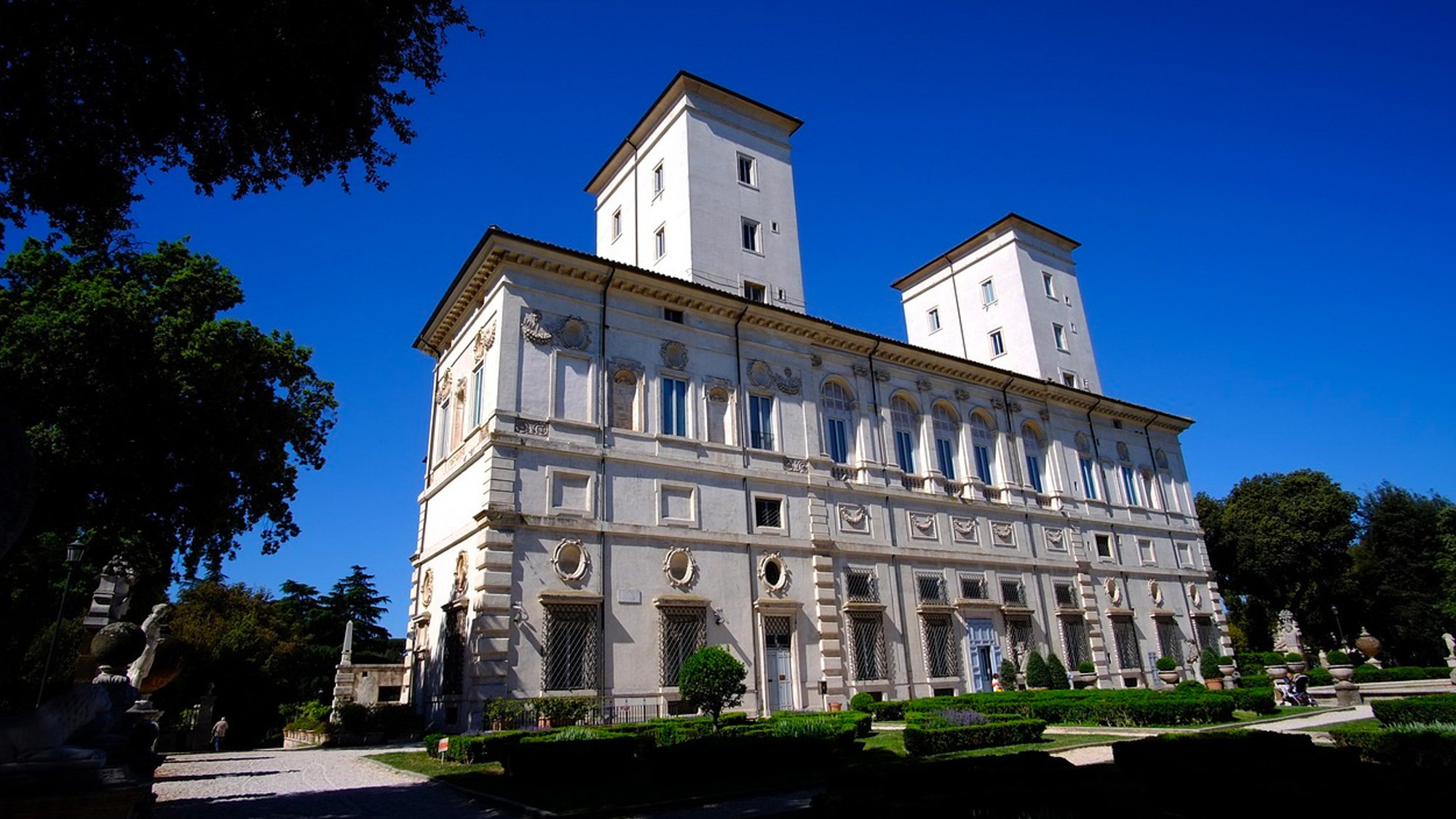


Facing Piazza Barberini in the Rione Trevi district of Rome, Palazzo Barberini stands as one of the foundational monuments of Roman Baroque architecture.
Built in the 17th century as the grand residence of the powerful Barberini family, it symbolizes the political ambition, cultural patronage, and artistic vision of one of the wealthiest and most influential dynasties of papal Rome.
The Birth of the Roman Baroque
Construction began in 1625, shortly after Maffeo Barberini was elected pope as Pope Urban VIII. Determined to assert the prestige of his family, Urban VIII commissioned an extraordinary architectural project that would redefine palace design in Rome.
The palace is a rare collaboration of three giants of 17th-century architecture:
- Carlo Maderno, who initiated the project and designed its imposing yet harmonious structure.
- Gian Lorenzo Bernini, who completed much of the work after Maderno’s death and contributed to its theatrical grandeur.
- Francesco Borromini, whose refined technical solutions and elegant spiral staircase reveal his innovative genius.
Instead of following the traditional Renaissance palace model—solid, inward-looking, and block-like—Palazzo Barberini introduced a bold typological innovation: a villa-style layout within an urban palace. Its open U-shaped plan embraces a garden, creating a dynamic relationship between architecture, space, and landscape. This design marked a decisive break from Renaissance restraint and announced the dramatic expressiveness of the Baroque.