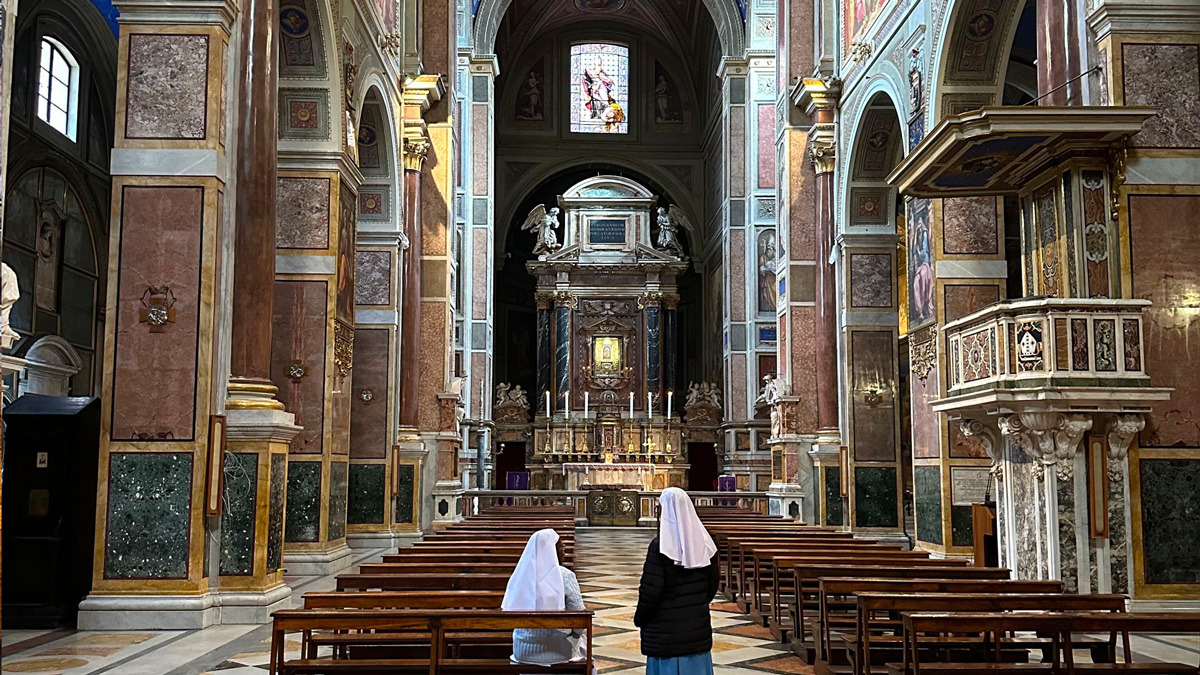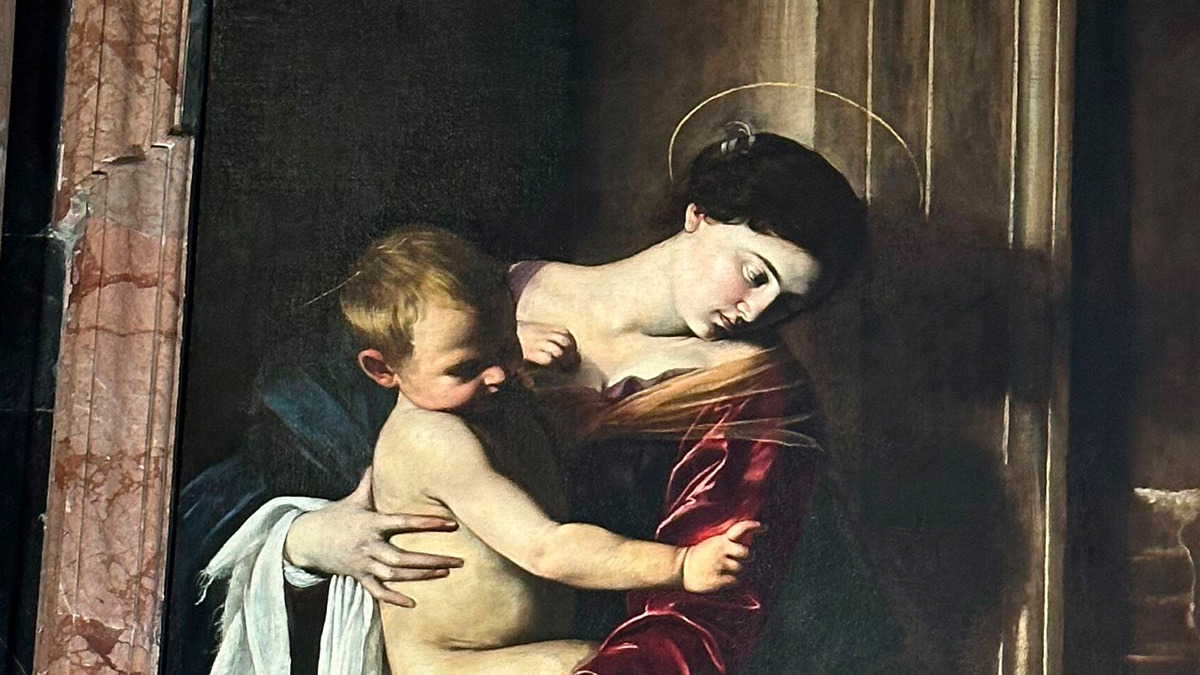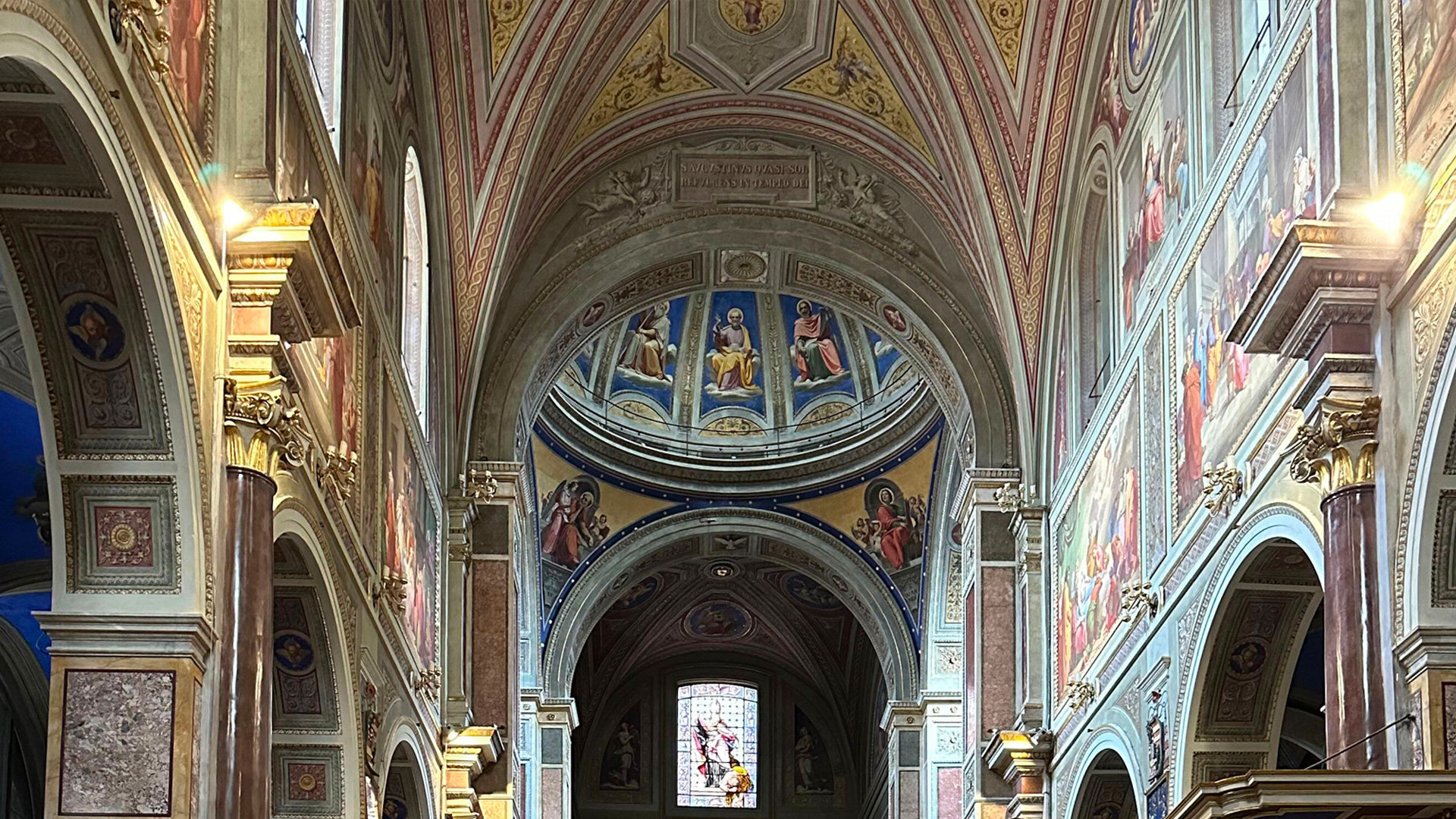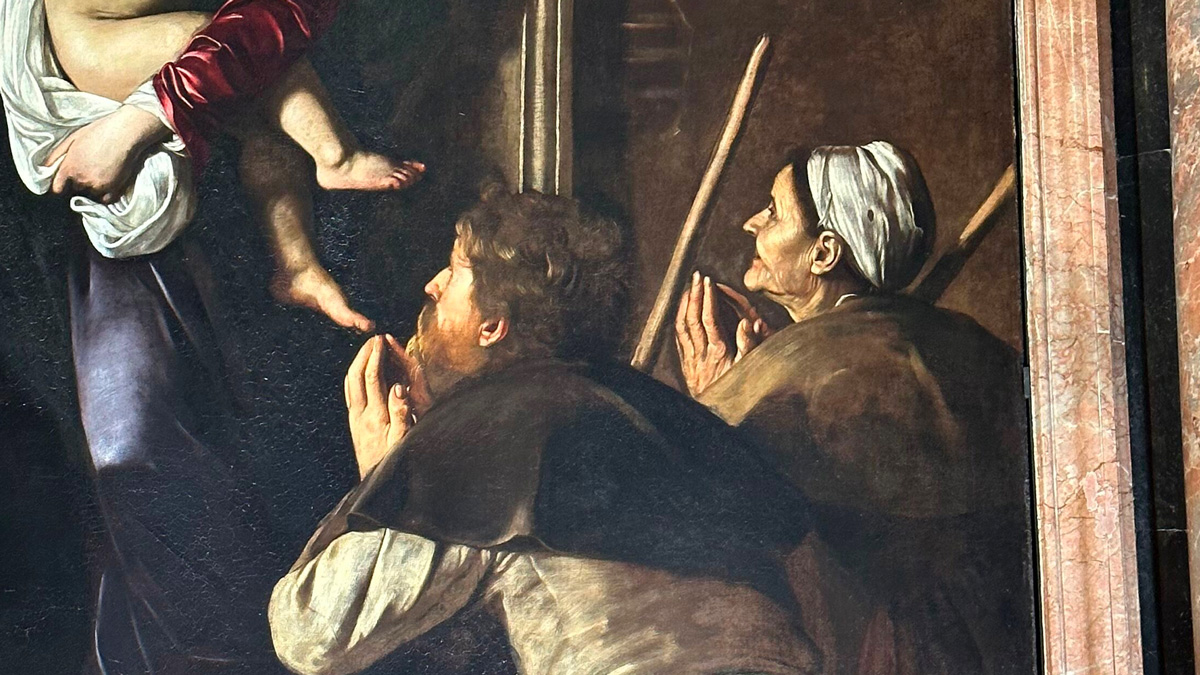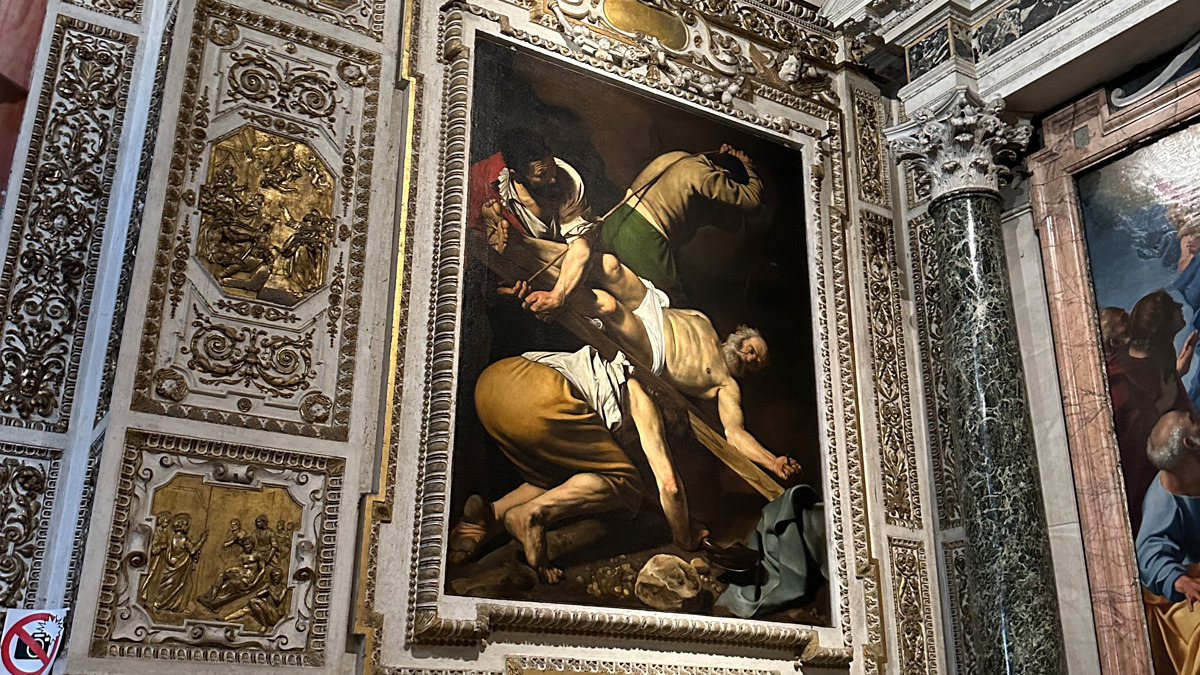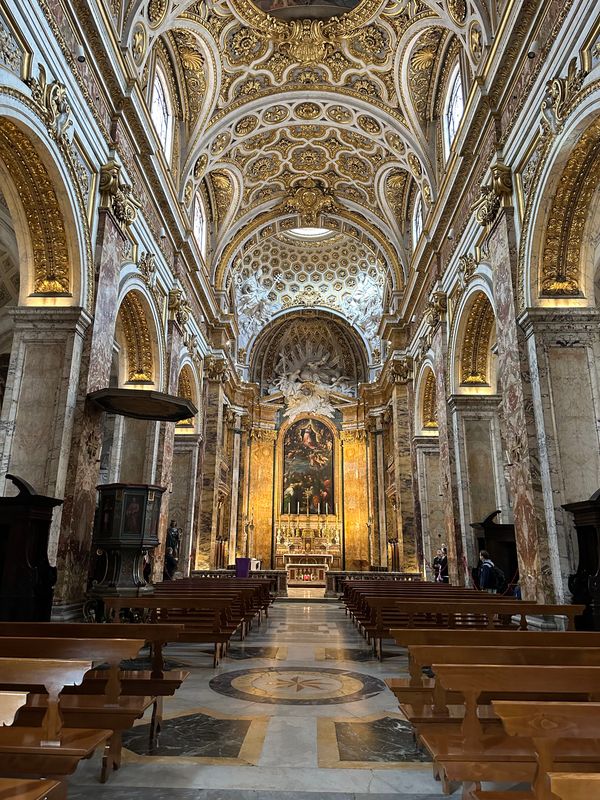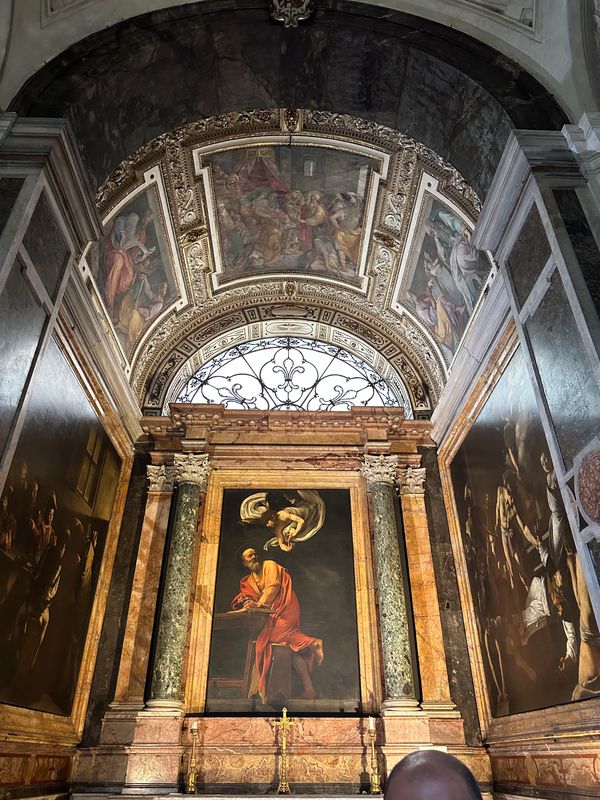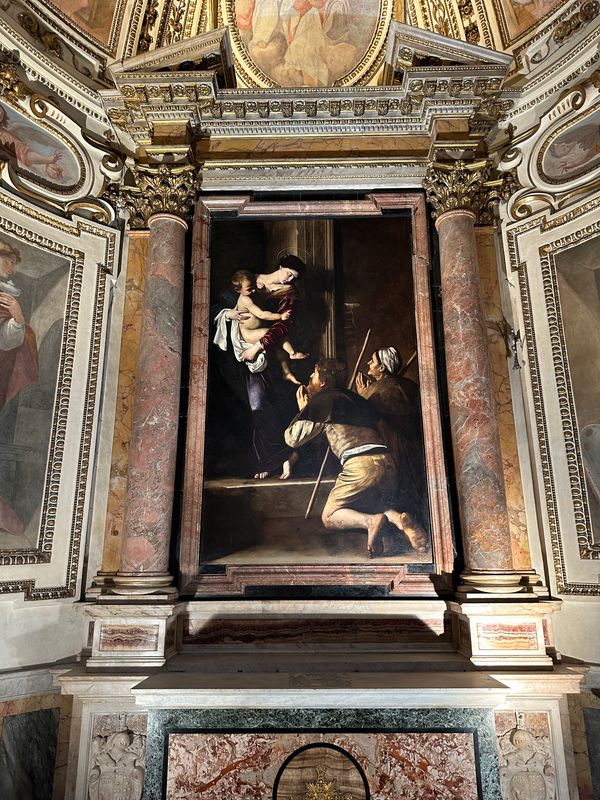

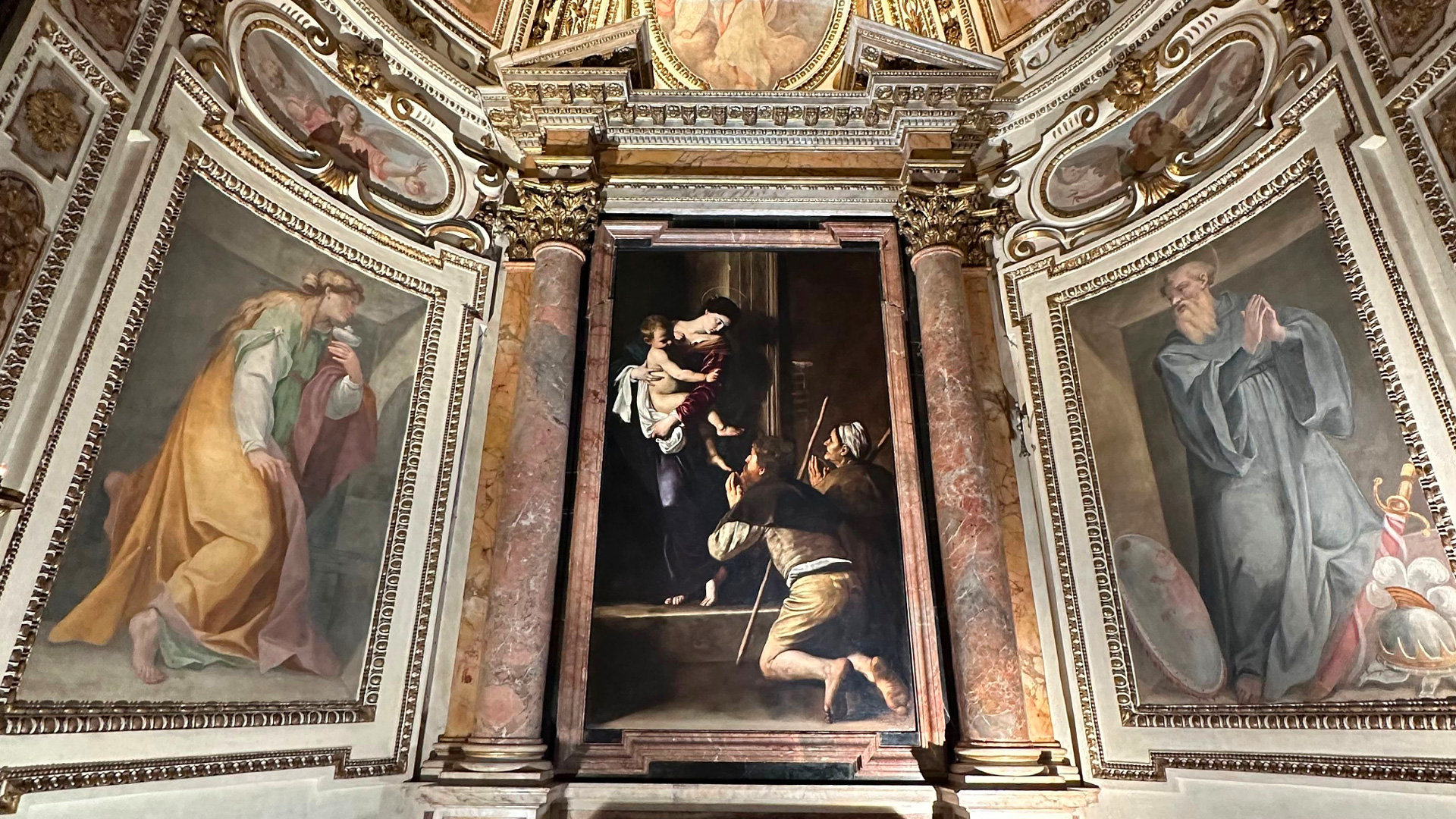
In Rome, three extraordinary churches preserve some of the most celebrated masterpieces by Caravaggio — an unmissable journey into the raw, revolutionary heart of Baroque art.
This is not a museum experience. This is Caravaggio exactly where he intended to be seen: in shadowed chapels, beneath filtered daylight, in the charged silence of sacred space where faith, doubt, and humanity collide. All three churches lie within easy walking distance of one another, forming an itinerary through the historic center of Rome. In just a few hours, you can follow the arc of Caravaggio’s Roman career — from his explosive public debut to the full maturity of his dramatic language. Step by step, chapel by chapel, you witness an artist redefining what painting could be. But what makes this journey unforgettable is not only the paintings. It is the context.
These canvases remain in the very spaces for which they were conceived. They were not designed for white museum walls or neutral lighting. They were created to interact with architecture, with candlelight, with the rhythm of prayer and the murmur of footsteps on stone. The light still enters from the side windows as he calculated. Shadows fall across the surface just as he anticipated. The scale confronts you exactly as intended — not as a reproduction, not behind protective glass, but alive within the chapel. There is no barrier between you and the work. No explanatory panel softening the impact. No curated distance. Only you. The painting. The silence. And in that silence, Caravaggio’s revolution becomes clear. He dared to paint saints as ordinary people — weathered, barefoot, exhausted. He chose models from the streets of Rome. He rejected idealized beauty and replaced it with startling realism. Wrinkled skin, dirty feet, strained muscles, stunned expressions — these were not imperfections. They were truth. He transformed light into a dramatic force, a blade cutting through darkness, revealing grace at the very instant it erupts into the everyday. Light does not simply illuminate his scenes — it chooses, it calls, it judges, it redeems. Darkness is not absence; it is tension, mystery, waiting.
In these chapels, you don’t just observe art. You experience confrontation — between sacred and profane, belief and disbelief, humanity and divinity. Caravaggio forces you into the scene. You stand at the edge of conversion, martyrdom, revelation. And because you encounter these works where generations of Romans have encountered them — in functioning churches, within living neighborhoods — the experience feels intimate, almost personal. Time collapses. The distance between 1600 and today disappears. To see these masterpieces in person is not simply to admire them with a professional art expert. It is to feel the shock that Rome felt when these canvases were first unveiled. It is to understand why his style spread across Europe. It is to witness the precise moment when painting abandoned ideal perfection and embraced emotional truth. It is to step inside the turning point of Western art — and to stand, face to face, with the artist who changed it forever.